Top Landscaping Services in Chambersburg, PA, 17201 | Compare & Call
There are 162 landscaping companies server in Chambersburg PA
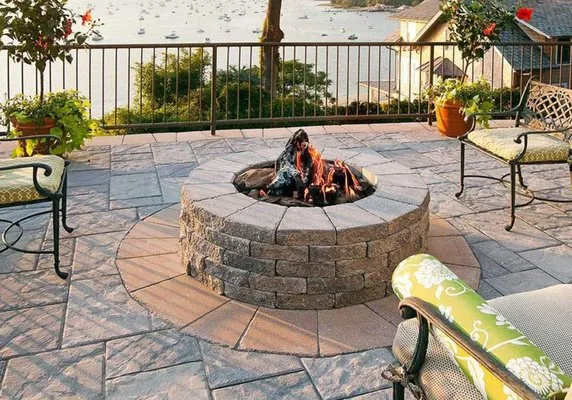
Terrascape Supply
Terrascape Supply is a family-owned landscape supply center serving Hollidaysburg and central Pennsylvania since 1988. Founded as Tussey Mtn. Mulch by Lawrence M. Martin, the business originally focus...
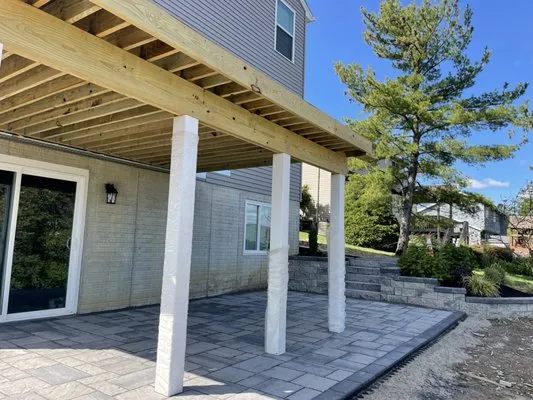
Ritchey Hardscapes & Landscaping
Ritchey Hardscapes & Landscaping is your trusted local expert serving Roaring Spring, PA, and the surrounding areas. We specialize in professional excavation, trench digging, masonry, and comprehensiv...
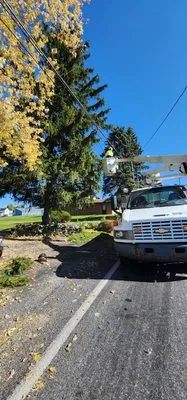
Top-Notch Landscaping & Property Maintenance
Top-Notch Landscaping & Property Maintenance serves Martinsburg, PA, with comprehensive outdoor solutions. Our team specializes in landscaping, tree services, and excavation, handling everything from ...
Zach Fenby is a local lawn care specialist based in Shirleysburg, PA, offering reliable and affordable services for Huntingdon County residents. With a focus on practical solutions, Zach handles every...
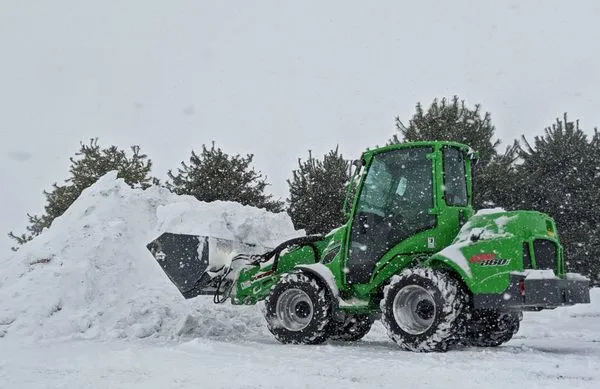
Esquire Landscaping, LLC is a licensed landscaping and hardscaping service provider serving Hummelstown, PA, and surrounding areas. We specialize in comprehensive outdoor solutions for both residentia...
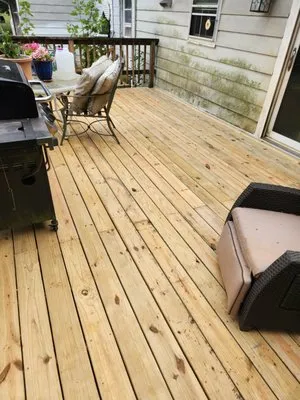
Reinards Land Management is your trusted local expert for home and lawn services in New Bloomfield, PA. We understand that homeowners here often face challenges like stubborn weed infestations and dam...
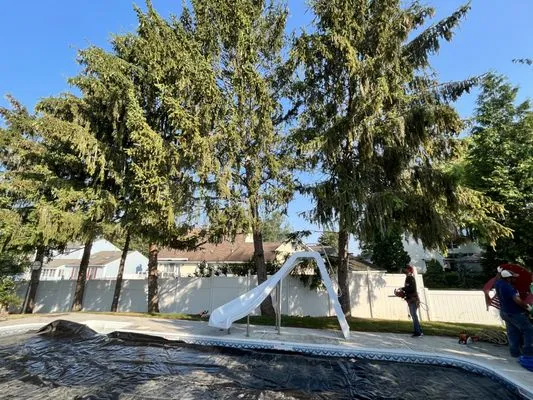
Lawn Men Contractors is a family-owned and operated business serving New Oxford, PA, and surrounding areas since 2009. We specialize in comprehensive landscape, hardscape, and tree services, offering ...
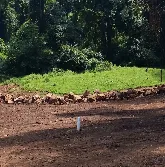
Martin's Excavating Plus Snow Removal
For over 30 years, Martin's Excavating Plus Snow Removal has been a trusted family-run business in Gettysburg. The company's roots go back to the early 1980s, founded by a grandfather who performed li...
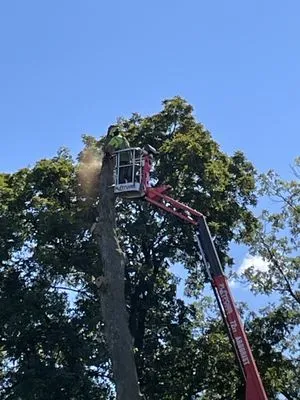
Artisan Arborist Tree Care is a veteran-owned local tree service based in Mount Holly Springs, PA, serving Cumberland County and surrounding communities. We specialize in tree preservation, removal, a...

AGTR Landscaping is a State College-based lawn care and snow removal service with over 20 years of experience serving residential properties in the area. Founded and operated by George, who holds an o...
Estimated Landscaping Service Costs in Chambersburg, PA
Question Answers
What permits and licenses are needed for landscaping projects on my 0.25-acre lot?
Grading or structural work requires permits from Chambersburg Borough Planning & Zoning to ensure compliance with local codes. Professionals must hold Pennsylvania Department of Agriculture Pesticide Applicator Certification for chemical applications. On a 0.25-acre lot, significant alterations may also need erosion control plans, emphasizing the importance of licensed contractors to avoid violations and ensure project integrity.
Can I maintain a healthy lawn under Chambersburg's water conservation guidelines?
Yes, using Wi-Fi ET-based weather sensing controllers optimizes irrigation for Kentucky Bluegrass and Tall Fescue blends. These systems adjust watering based on real-time evapotranspiration data, reducing usage by 20-30% while preserving turf health. Under normal operations with voluntary conservation, this technology ensures compliance with municipal limits and supports sustainable water management in USDA Zone 6b.
What solutions prevent runoff and frost heave in my yard?
Duffield Silt Loam's moderate runoff and seasonal frost heave require permeable hardscaping. Pennsylvania Bluestone installations with gravel bases enhance drainage by allowing water infiltration, reducing surface flow. This approach meets Chambersburg Borough Planning & Zoning runoff standards while mitigating soil displacement. For severe cases, French drains or dry wells may be necessary to manage water effectively.
Why does my Hamilton Heights lawn struggle despite regular care?
Chambersburg's Duffield Silt Loam soil, common in Hamilton Heights, has likely compacted over decades. With homes averaging 1964 construction, soil maturity reaches 62 years, reducing permeability and root penetration. Core aeration every 2-3 years addresses this by improving oxygen flow and water infiltration. Adding organic amendments like compost enhances soil structure, supporting healthier turf in USDA Zone 6b conditions.
What invasive species should I watch for in Chambersburg, and how do I treat them?
Common invasive alerts include Japanese Knotweed and Tree-of-Heaven, which disrupt local ecosystems. Treatment involves manual removal or targeted herbicides applied by certified professionals to avoid Chesapeake Bay Watershed Nutrient Management violations. Timing applications outside blackout dates prevents runoff into waterways. Regular monitoring and early intervention protect native plantings and soil health in Hamilton Heights.
Is Pennsylvania Bluestone a durable choice for patios compared to wood?
Pennsylvania Bluestone offers superior longevity over wood, resisting weathering and decay with minimal maintenance. Its natural permeability aids drainage, complementing low fire-wise ratings in urban/suburban areas by reducing flammable materials. For defensible space in high-risk zones, bluestone provides a non-combustible surface that meets safety standards while enduring Chambersburg's climate fluctuations.
How quickly can you respond to an emergency storm cleanup for HOA compliance?
Emergency storm response typically requires 20-30 minutes during peak hours from our dispatch near Memorial Park. Crews travel via I-81 to reach Hamilton Heights efficiently, equipped with electric maintenance tools that meet standard decibel limits. This rapid deployment ensures debris removal and safety restoration while adhering to local noise ordinances without gas-blower restrictions.
How can I reduce lawn maintenance and support local ecology?
Replacing high-maintenance turf with native plants like Eastern Redbud, Purple Coneflower, Switchgrass, and Swamp Milkweed lowers water and mowing needs. These species thrive in USDA Zone 6b, requiring minimal care and supporting pollinators. Transitioning to xeriscaping reduces reliance on gas-powered equipment, aligning with potential future noise ordinance updates while enhancing biodiversity under 2026 standards.
