Top Landscaping Services in Canonsburg, PA, 15317 | Compare & Call

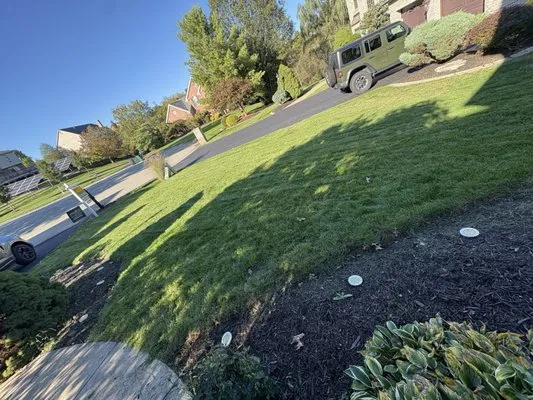
Greenpro Out Door Service is a Canonsburg-based landscaping company founded on a simple realization: the founder preferred working outdoors over being inside a building, seeking more opportunities to ...
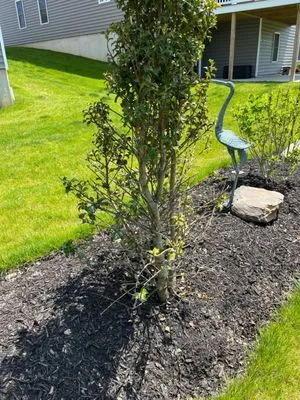
Founded in 2000, Fairfield Landscaping has been a trusted provider of comprehensive landscape and tree services for Canonsburg and the surrounding region. Based in the South Hills of Pittsburgh, our l...
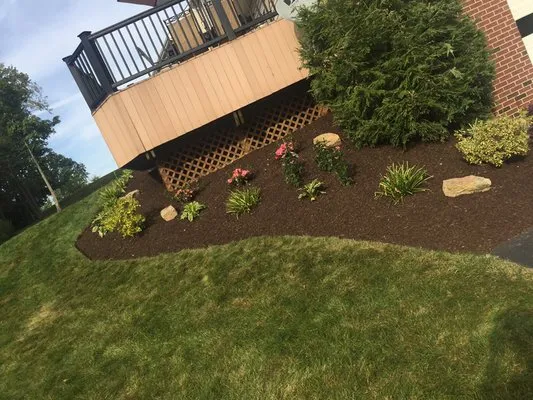
Delbusso Landscaping is a full-service landscaping company serving Canonsburg, PA, and the surrounding areas. We specialize in comprehensive landscape solutions, from design and construction to ongoin...
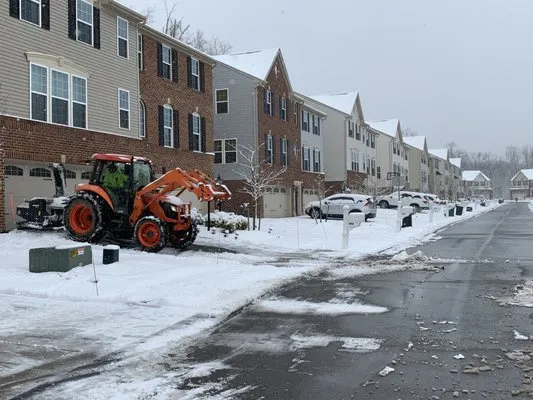
Growing Seasons Landscaping is a family-owned commercial and industrial landscaping provider founded in the Pittsburgh area. Headquartered locally, we have built a reputation for reliability and consi...

Ken's Tree Service has been a trusted name in Canonsburg and the South Hills for over 20 years, founded by Ken Gullick. What began as a small lawn service quickly grew to include comprehensive landsca...
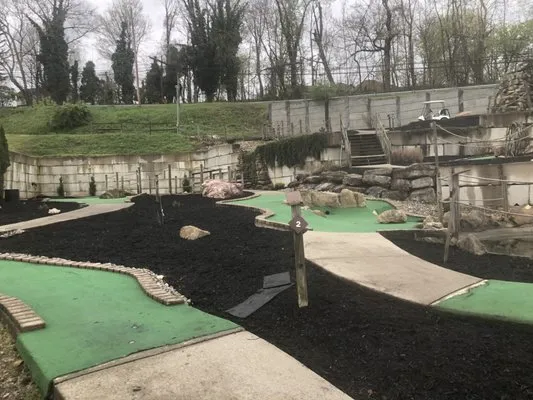
Larkin Landscaping
Larkin Landscaping is a locally owned and operated business serving Canonsburg and surrounding Washington County communities since 2020. Founded by a young entrepreneur with a passion for transforming...

Allegheny Lawn & Landscaping is a trusted local landscaping company serving Canonsburg, PA, and surrounding areas. We specialize in addressing common residential landscaping challenges faced by homeow...
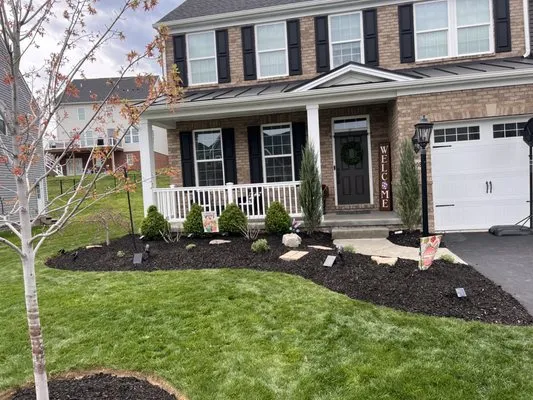
At Ram Landscaping in Canonsburg, PA, we believe great landscaping is built on teamwork. Our crew is made up of dedicated professionals who aren't afraid to get their hands dirty, work through all wea...
Donnan Landscape Services is a trusted local landscaping company serving Canonsburg, PA, and the surrounding areas. We specialize in comprehensive lawn care and landscape maintenance to keep your outd...
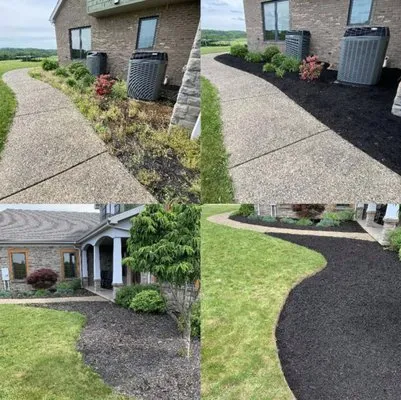
Clean Curb Junk Removal & Landscaping has been serving the Canonsburg community for over six years, building a reputation on reliable service and strong customer relationships. We prioritize clear com...
Q&A
We want to reduce mowing and gas equipment noise. What are good lower-maintenance alternatives?
Transitioning turf areas to a native plant community is a forward-thinking strategy. Species like Eastern Redbud, Wild Bergamot, Butterfly Weed, and New England Aster are adapted to Zone 6b and acidic soils, requiring no fertilization and minimal watering once established. This xeriscaping approach eliminates weekly mowing, aligning with evolving noise ordinances that restrict gas-powered blowers and mowers, while significantly boosting pollinator biodiversity.
If a storm damages a large tree, what's the realistic timeline for emergency service?
For an urgent HOA compliance or safety issue, a certified arborist team can typically dispatch from the Canonsburg Town Park area. Using I-79 for primary access, the estimated arrival during peak conditions is 25-35 minutes. The initial site assessment and safety mitigation are performed first, with full debris removal and log processing scheduled within the same business day to meet borough cleanup ordinances.
Our yard collects water after heavy rain. What are the most effective fixes for our soil type?
Moderate runoff in Canonsburg is often due to the region's clay-heavy subsoil, which restricts percolation. Solutions begin with installing French drains or dry wells to intercept subsurface water. For new patios or walkways, specifying permeable base installations with Pennsylvania Bluestone allows water to infiltrate directly, meeting borough stormwater management standards. Amending planting beds with compost also improves the silt loam's water-holding capacity.
What invasive species should we watch for, and how do we manage them responsibly?
Primary invasive alerts for this area include Japanese Knotweed, Garlic Mustard, and Mile-a-Minute Vine. Manual removal is effective for early infestations. For chemical control, a licensed professional must apply herbicides, strictly adhering to the Pennsylvania Fertilizer Act's nutrient management protocols and avoiding blackout dates near waterways. Always prioritize soil health by replanting cleared areas with aggressive native species to outcompete future invaders.
What permits and contractor credentials are needed to regrade our 0.22-acre lot?
Significant grading that alters water flow requires a permit from the Canonsburg Borough Planning & Zoning Department. The contractor must hold appropriate licensing through the Pennsylvania Department of Agriculture for pesticide application if soil treatments are involved. For engineered solutions like retaining walls over a certain height, a certified landscape architect or engineer's stamp may be necessary to ensure the work complies with state sediment and erosion control regulations.
Our soil seems compacted and thin. Is this normal for older Canonsburg Borough Center homes?
Properties from the 1956 building era, now with 70 years of soil maturity, commonly exhibit acidic silt loam with poor structure. Decades of standard lawn care, mower compaction, and minimal organic input have degraded the original topsoil. The clay-heavy subsoil layer impedes drainage and root growth. Core aeration followed by top-dressing with compost is the foundational correction to rebuild soil biology and permeability.
Is Pennsylvania Bluestone a better choice than composite decking for a new patio?
Pennsylvania Bluestone offers superior longevity and thermal mass compared to wood or composites. Its mineral composition does not rot, warp, or require sealing, providing a permanent solution. For urban settings with a low Fire Wise rating, the non-combustible stone also contributes to defensible space. The material's natural cleft surface provides excellent slip resistance, and its local sourcing reduces the project's embodied carbon footprint.
How can we keep our Kentucky Bluegrass and Tall Fescue blend healthy during dry spells without wasting water?
Wi-Fi ET-based weather-sensing irrigation is the precise solution. The system automatically adjusts runtime by calculating daily evapotranspiration using local weather data, applying water only as needed. This technology typically reduces potable water use by 20-30% while maintaining turf health, ensuring compliance with voluntary conservation measures. Deep, infrequent watering cycles encourage deeper root systems, further enhancing drought resilience.
