Top Landscaping Services in Broad Top, PA, 16633 | Compare & Call

There are 20 landscaping companies server in Broad Top PA
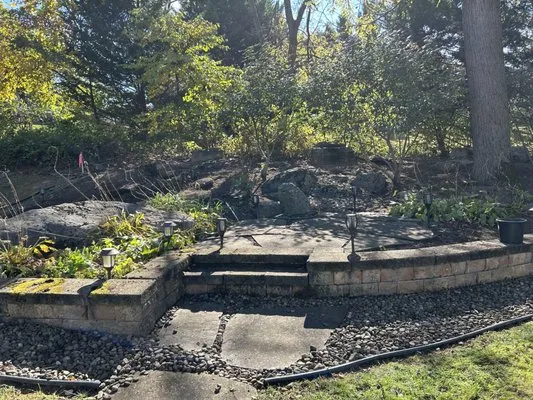
BW Landscaping is a locally owned and operated business in Chambersburg, PA, dedicated to helping residents bring their outdoor visions to life. We focus on landscape maintenance, lawn care, and snow ...
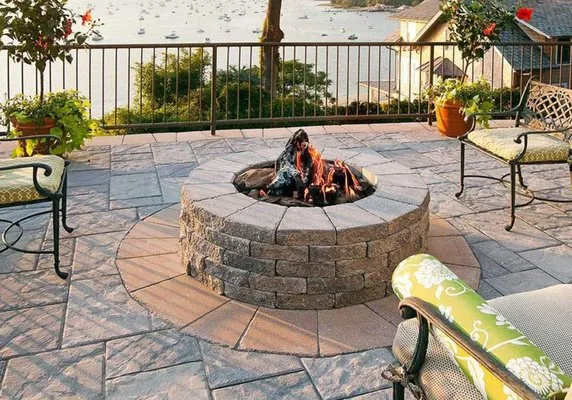
Terrascape Supply
Terrascape Supply is a family-owned landscape supply center serving Hollidaysburg and central Pennsylvania since 1988. Founded as Tussey Mtn. Mulch by Lawrence M. Martin, the business originally focus...
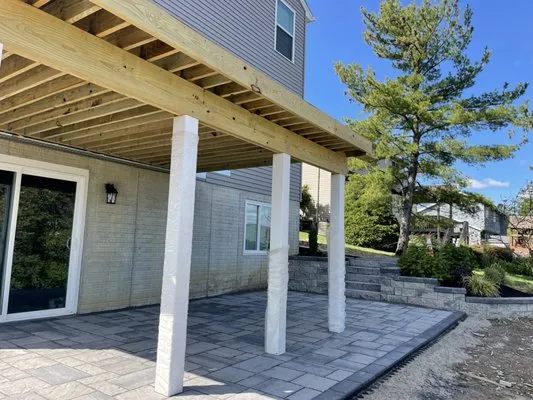
Ritchey Hardscapes & Landscaping
Ritchey Hardscapes & Landscaping is your trusted local expert serving Roaring Spring, PA, and the surrounding areas. We specialize in professional excavation, trench digging, masonry, and comprehensiv...
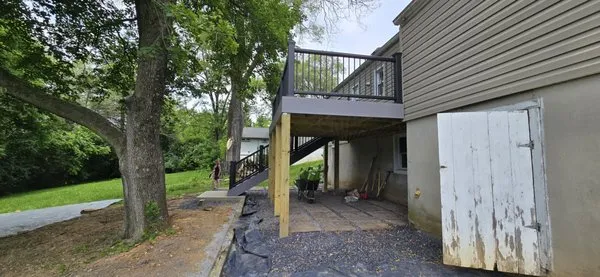
Hendrickson Construction Services
Hendrickson Construction Services is your trusted Mount Union partner for enhancing outdoor living spaces. As a full-service contractor specializing in decks, railing, and landscaping, we help local h...

Black's Contracting and Landscape
Black's Contracting and Landscape is a full-service Bedford, PA, contractor specializing in landscaping, hardscaping, and custom deck builds. Serving the local community, they address common regional ...
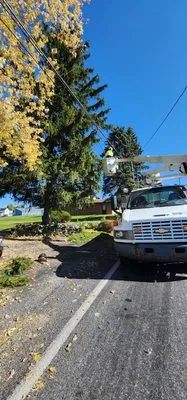
Top-Notch Landscaping & Property Maintenance
Top-Notch Landscaping & Property Maintenance serves Martinsburg, PA, with comprehensive outdoor solutions. Our team specializes in landscaping, tree services, and excavation, handling everything from ...

H F Stone & Mulch is a trusted landscaping and construction business serving Osterburg, PA, and the surrounding communities. Founded on the principles of fairness and faith, we are a subsidiary of Par...
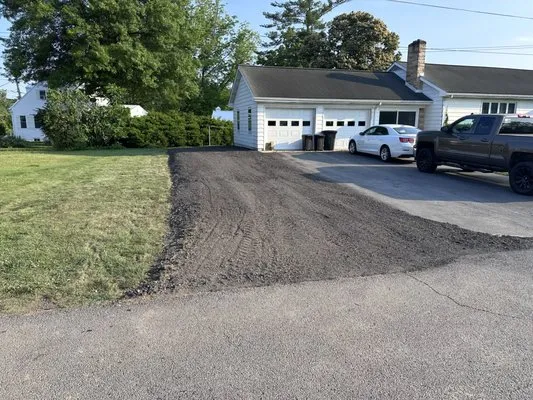
Detwiler Contracting Services is a trusted local contractor in Tyrone, PA, specializing in excavation, snow removal, and comprehensive lawn services. We understand the unique challenges Tyrone homeown...
Zach Fenby is a local lawn care specialist based in Shirleysburg, PA, offering reliable and affordable services for Huntingdon County residents. With a focus on practical solutions, Zach handles every...

JK Landscaping & Construction is a Hopewell-based company specializing in masonry, concrete, and lawn services to address common local landscaping challenges. For homeowners dealing with yard drainage...
Estimated Landscaping Service Costs in Broad Top, PA
Question Answers
Should I use wood or stone for a new patio?
For longevity and fire resilience, local sandstone or natural fieldstone is superior to wood. In Broad Top's Moderate Wildland-Urban Interface rating, creating defensible space is a consideration; non-combustible hardscape provides a critical barrier. Stone also integrates with the local geology, requires no chemical treatments, and, when installed correctly, will outlast any wood product by decades, adding permanent value to the property.
My yard holds water every spring. What's the solution?
Seasonal saturation is common in Broad Top's acidic silty loam due to moderate runoff and low permeability. Correcting this involves creating positive drainage away from foundations, often using French drains or dry creek beds. For new hardscapes, specifying local sandstone or natural fieldstone set with permeable joints meets Borough Planning & Zoning runoff standards by allowing water to infiltrate rather than contributing to stormwater overload.
A storm just knocked down a large limb. Can you respond today?
For emergency storm cleanup, our dispatch prioritizes Broad Top City Center. Our crew departs from the Broad Top Area Coal Miners Memorial Park, takes PA-913, and arrives within the standard 45-60 minute peak response window. We operate within the daytime noise ordinance (7:00 AM to 9:00 PM) using our electric fleet for immediate debris removal and site safety, ensuring compliance with any HOA or borough requirements.
How do I keep my grass green without wasting water?
While Broad Top has no active water restrictions, conserving potable water is a professional standard. Smart Wi-Fi soil moisture sensor controllers measure evapotranspiration (ET) and soil moisture, delivering water only when the Kentucky Bluegrass and Fine Fescue blend needs it. This technology prevents overwatering, which is a primary cause of fungal disease and nutrient leaching in the local silty loam, optimizing turf health within municipal system limits.
Do I need a permit to regrade my backyard?
Yes. Any significant regrading on a 0.35-acre lot that alters water flow or involves substantial earth moving typically requires review by the Broad Top City Borough Planning & Zoning office. Furthermore, the work must be performed by or under the supervision of a professional licensed by the Pennsylvania Department of Agriculture for landscape contracting, ensuring compliance with erosion and sediment control plans and adherence to state nutrient management guidelines.
I'm tired of weekly mowing. Are there lower-maintenance options?
Reducing high-input turf aligns with evolving municipal noise and emissions policies. Transitioning sections of lawn to a native plant community featuring Eastern Redbud, Switchgrass, Wild Bergamot, and Butterfly Milkweed significantly cuts mowing, watering, and fertilizing needs. These plants are adapted to Zone 6b and acidic soils, supporting local biodiversity and providing a resilient landscape ahead of potential gas-powered equipment restrictions.
What are the most problematic weeds here, and how do I treat them safely?
Invasive species like Japanese Knotweed and Mugwort pose significant risks in this area. Treatment requires precise timing and method to avoid violating the Pennsylvania Nutrient Management Act, which regulates fertilizer and pesticide application. A licensed professional can implement integrated pest management strategies, potentially using targeted herbicides outside of blackout dates for sensitive zones, while prioritizing soil health and non-chemical controls first.
My lawn seems thin and compacted. Is this just the soil here?
Properties in Broad Top City Center, developed around 1973, have soils that have matured over 53 years. The prevalent acidic silty loam becomes dense with age, reducing pore space for air and water. This compaction limits root growth for turf like Kentucky Bluegrass. Core aeration paired with organic compost amendments is necessary to rebuild soil structure and correct nutrient availability tied to the natural pH range of 5.5 to 6.2.
