Top Landscaping Services in Bristol, PA, 19007 | Compare & Call
There are 127 landscaping companies server in Bristol PA
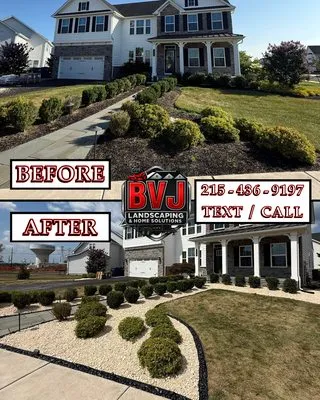
BVJ Landscaping is a trusted, full-service Bensalem company dedicated to enhancing and maintaining your property. We specialize in landscaping, junk removal, and pressure washing, offering a comprehen...
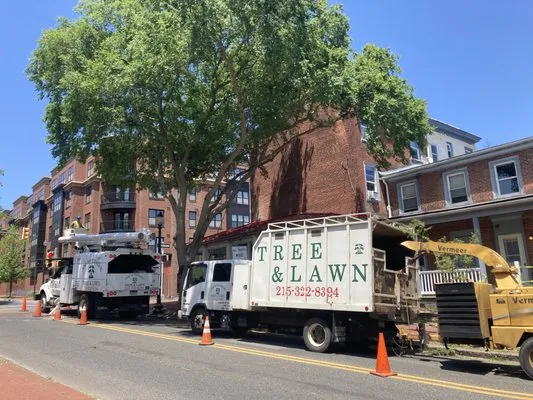
Joseph McIlvaine Tree & Lawn has been serving Feasterville and surrounding communities since 1988, providing reliable tree, lawn, and landscape services. As a fully insured local business, we handle e...
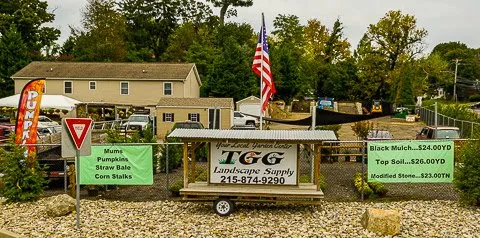
TGG Landscape Supply
TGG Landscape Supply in Levittown, PA, is your local garden center and landscape partner, born from a simple neighborhood effort. We started as friends in high school mowing lawns to earn extra cash, ...
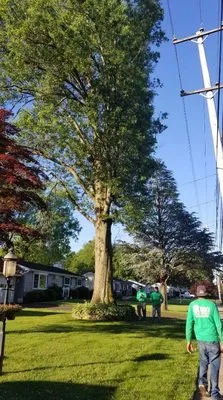
Tom's Tree Services is your trusted, local expert for tree care, landscaping, and snow removal in Bensalem, PA. We understand the common challenges Bensalem homeowners face, like unsightly overgrown s...
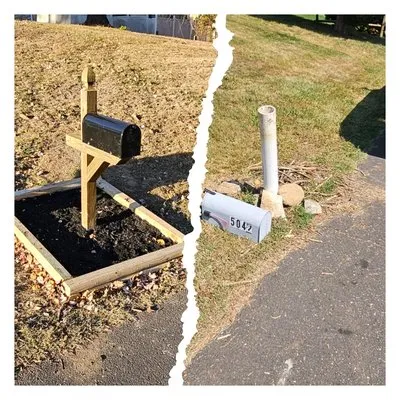
DaGreat Cleaners is a Newportville-based service provider specializing in comprehensive property care for Bucks County homes and businesses. We combine expertise in commercial cleaning, junk removal, ...
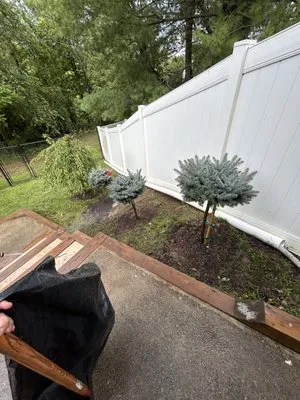
KO Lawn Care
KO Lawn Care is a locally owned and operated landscaping business in Feasterville-Trevose, PA, founded by Kenny and his team of dedicated local teens. Starting as a small venture to earn money, it has...
Three Friends Tree Service is a licensed, locally-owned company serving Croydon, PA, with over 16 years of experience in tree care, landscaping, and hardscaping. Our team of specialized professionals ...
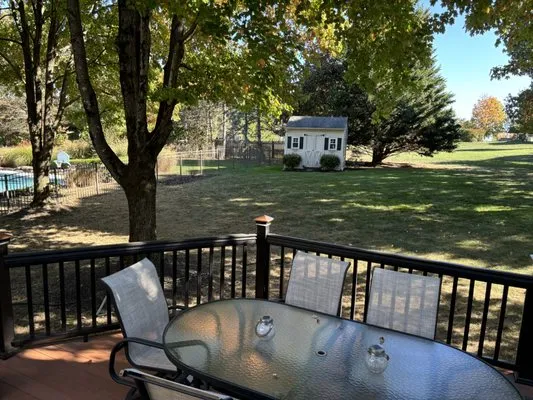
Walsh Exterior Cleaning & Property Solutions
Based in Newportville, Walsh Exterior Cleaning & Property Solutions is your local partner for maintaining a clean and beautiful property. We provide a comprehensive range of services, from pressure wa...
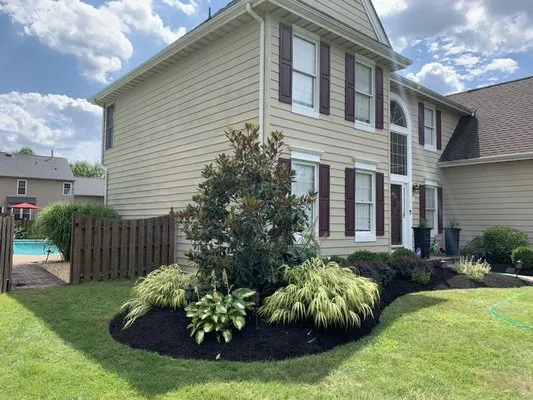
Wjflores Landscaping & Hardscaping
Wjflores Landscaping & Hardscaping is a Bristol-based company dedicated to transforming local outdoor spaces. We began as a small, hands-on operation focused on building strong relationships with ever...
Paul's Lawn & Landscaping
Since 1987, Paul's Lawn & Landscaping has been a trusted, family-owned and operated business serving Bucks County, including Levittown. With over 25 years of hands-on industry experience, owner Paul A...
Estimated Landscaping Service Costs in Bristol, PA
Questions and Answers
What permits and contractor credentials are needed for regrading my small backyard?
Any significant regrading or excavation on a 0.15-acre lot typically requires a permit from the Bristol Borough Building and Zoning Department to ensure proper stormwater management. The contractor must hold a valid Pennsylvania Attorney General Home Improvement Contractor registration. For work involving engineered drainage solutions or large retaining walls, additional specialized licensing and stamped engineering plans may be mandated by the borough.
Are permeable clay pavers a good choice for a new patio compared to wood or concrete?
Permeable clay pavers are the superior choice for durability and hydrological function. Unlike wood, they require no sealing or replacement from rot, and their permeability directly mitigates local runoff issues referenced in borough codes. Their non-combustible nature also contributes to maintaining the low Fire Wise rating appropriate for our urban-suburban interface, unlike wooden decks which are a fuel source.
If a major storm downs a tree limb, how fast can a crew get here for an emergency cleanup?
For urgent HOA compliance or safety issues, our dispatch from the Bristol Waterfront Park area allows a peak storm response window of 20-30 minutes. Crews route via I-95 to access the historic district efficiently. This timing accounts for traffic and ensures initial site assessment and hazard mitigation can begin within the critical first hour post-event.
My yard floods after heavy rain. What's the best long-term solution for drainage?
Riverine flood risk and clay-heavy compaction create chronic surface ponding. The solution integrates subsurface and surface strategies. Installing French drains or dry wells addresses subsurface water, while regrading to direct runoff to these systems is critical. Using permeable clay pavers for patios or walkways increases infiltration, often helping meet borough runoff management standards for new hardscapes.
I'm tired of weekly mowing. What are lower-maintenance, native alternatives to grass?
Transitioning to a native plant community significantly reduces maintenance. Species like Little Bluestem, Swamp Milkweed, and Joe Pye Weed are adapted to our Zone 7b climate and acidic soil, requiring no fertilization and minimal watering once established. This xeriscape approach eliminates weekly mowing, aligns with tightening noise ordinances on gas equipment, and provides superior habitat for pollinators.
What are the most aggressive weeds here, and how do I treat them safely?
Invasive species like Japanese Knotweed and Mugwort are prevalent in the area. Treatment requires a targeted, integrated approach. Manual removal for small infestations and careful, licensed application of systemic herbicides for large ones are standard. All treatments must comply with the Pennsylvania Nutrient Management Act, which prohibits phosphorus application on established turf and dictates specific seasonal blackout dates for certain products.
How do I keep my Tall Fescue blend healthy during summer without wasting water?
Under voluntary conservation, Wi-Fi ET-based controllers are essential. They adjust irrigation schedules daily using local evapotranspiration data, preventing overwatering common with standard timers. This technology applies water only when the turfgrass blend truly needs it, promoting deeper roots and drought resilience. It is the most effective method to maintain turf health within municipal water use expectations.
Why does my yard in Bristol Borough feel so compacted, and is the soil different here?
Your property's 88-year-old soil profile reflects typical historic district conditions. Decades of construction and foot traffic have compacted the native acidic silt loam, reducing its percolation rate. This compaction layer, often 4-6 inches deep, restricts root growth and water infiltration. Core aeration combined with incorporating composted organic matter is the primary strategy to rebuild soil structure and biological activity.
