Top Landscaping Services in Briar Creek Township, PA, 18603 | Compare & Call
There are 166 landscaping companies server in Briar Creek Township PA
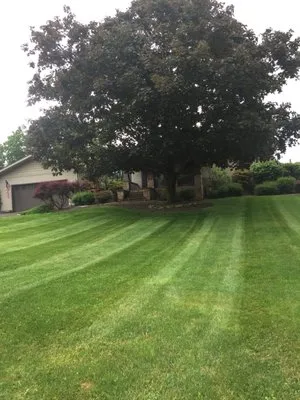
Walsh Landscapes is a trusted landscaping company serving Berwick, PA, with over 10 years of dedicated experience. We specialize in transforming residential and commercial properties into beautiful, w...

Murphy Lawn Services is a trusted, locally-owned provider of comprehensive tree and lawn care in Danville, PA. We specialize in both routine maintenance and complex solutions for residential propertie...
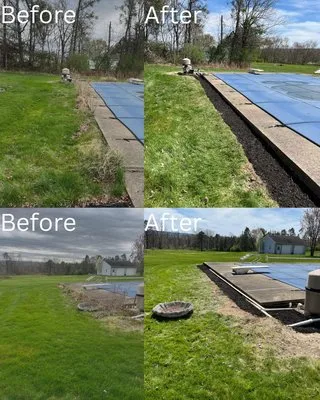
Zehner's Lawn Care & Labor is a trusted Berwick, PA provider of lawn care, handyman, and snow removal services. We help local homeowners maintain healthy, beautiful yards by addressing common regional...
Kennedy Tree Service is a trusted, locally-owned provider serving Berwick, PA, and surrounding areas with comprehensive tree care, landscaping, and snow removal services. Our team specializes in shrub...
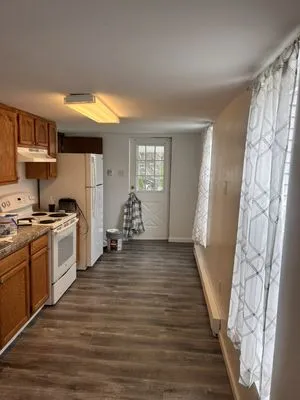
Nina's Construction and Landscaping in Berwick, PA, is a family-run general contracting and landscaping business with deep roots in the community. Founded by Nina and her husband, the company began as...
Value Lawn Care & Landscape Maintenance is a trusted Berwick, PA lawn service provider dedicated to keeping local properties looking their best. We specialize in comprehensive lawn care solutions that...
Native Creations Landscape Services is a trusted Berwick, PA landscaping and tree care company dedicated to enhancing local outdoor spaces. We specialize in landscape maintenance and tree care service...
Bob's Lawnmower Service is your trusted local lawn care expert in Berwick, PA. We specialize in comprehensive lawn care solutions designed to address the common landscaping challenges homeowners face ...
Spaid's is a locally owned and operated business that has been serving the home service needs of Mifflinville and surrounding communities in Northeastern and Central Pennsylvania for over 25 years. We...
Quality Grounds Keeper is a trusted Nescopeck, PA business providing comprehensive lawn care and snow removal services to address common local landscaping challenges. Many homes in the area experience...
Estimated Landscaping Service Costs in Briar Creek Township, PA
Questions and Answers
What invasive species should I be on the lookout for, and how are they treated?
Japanese knotweed and mile-a-minute vine are prevalent threats in Briar Creek Township that can destabilize slopes and outcompete natives. Professional treatment involves targeted herbicide applications timed to the plant's growth cycle, which must be performed by a licensed applicator under the Pennsylvania Nutrient Management Act. This law sets strict professional standards to prevent runoff into our local watershed, prohibiting casual over-the-counter use.
Can a smart irrigation system keep my lawn healthy without wasting water?
Absolutely. Wi-Fi ET-based controllers use real-time weather data and evapotranspiration rates to tailor watering schedules precisely to your Tall Fescue and Kentucky Bluegrass blend. This technology automatically adjusts for rainfall and humidity, applying water only when and where needed. It is the most effective method for maintaining turf health under normal water monitoring status, ensuring conservation while preventing the stress that invites disease in our climate.
My yard turns into a pond after heavy rain. What's the long-term fix?
Poor infiltration is a hallmark of our region's dense, acidic silt loam and high water table. Surface grading to direct water away from foundations is a first step, but sub-surface solutions like dry wells or French drains are often necessary for a 0.55-acre property. For new hardscapes, specifying permeable base installations with Pennsylvania Bluestone can significantly reduce runoff, helping projects meet Briar Creek Township's stormwater management standards.
What permits and credentials should I verify before hiring for major landscaping work?
Any significant grading, drainage alteration, or retaining wall construction on a 0.55-acre lot requires review by the Briar Creek Township Zoning & Planning Department. Furthermore, professionals applying pesticides or fertilizers must hold a current license from the Pennsylvania Department of Agriculture. Verifying this licensing ensures compliance with state nutrient management law and protects you from liability due to improper application that could affect neighboring properties or Briar Creek Lake Park's watershed.
How quickly can you respond for an urgent HOA violation notice or storm debris cleanup?
For emergency service requests, our standard dispatch from the Briar Creek Lake Park depot uses PA-11 for direct Briar Creek Central access. We maintain a peak storm response protocol targeting a 20 to 30 minute arrival window. This routing avoids residential congestion, allowing crews with gas-powered equipment—still permitted under local noise ordinances—to address safety hazards or compliance issues within the same business day.
Is Pennsylvania Bluestone a good choice for a patio compared to composite or wood?
For longevity and minimal maintenance in our climate, Pennsylvania Bluestone is superior. It is a durable, local stone that withstands freeze-thaw cycles without splintering or rotting like wood. For properties in moderate Firewise zones, its non-combustible nature also contributes to defensible space when used appropriately near structures. A properly installed bluestone patio requires no sealing or chemical treatments, offering a permanent, low-impact solution.
Why does the soil in my Briar Creek Central yard feel so compacted and tired?
Homes built in the late 1970s, like many here, established their lawns on construction-grade subsoil with minimal organic matter. After nearly 50 years of growth and mowing, the native acidic silt loam has become heavily compacted, reducing pore space and root penetration. This compaction impedes drainage, worsening our area's seasonal high water table. Core aeration in fall, followed by top-dressing with compost, is critical to rebuild soil structure and correct pH for healthy turf.
Is there a lower-maintenance, eco-friendly alternative to my high-input lawn?
Transitioning sections of turf to a native plant community is a forward-thinking strategy. Species like Eastern Redbud, Butterfly Milkweed, New England Aster, and Little Bluestem are adapted to Zone 6b conditions, requiring no fertilization, minimal water, and providing critical habitat. This shift reduces mowing frequency, fuel consumption, and future-proofs your landscape against potential restrictions on gas-powered equipment, aligning with growing ecological standards.
