Top Landscaping Services in Branch, PA, 17901 | Compare & Call
There are 150 landscaping companies server in Branch PA

Showcase Home & Property Services is a trusted local provider in Macungie, PA, offering comprehensive solutions for homeowners. We specialize in moving, storage, lawn care, light carpentry, interior a...
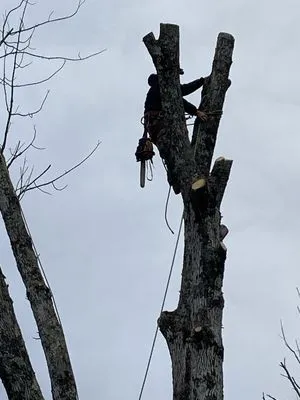
Lehigh Valley Tree Removal and Landscaping is a locally owned and operated company serving Bethlehem, PA, and the surrounding communities. We combine decades of hands-on experience with a genuine comm...
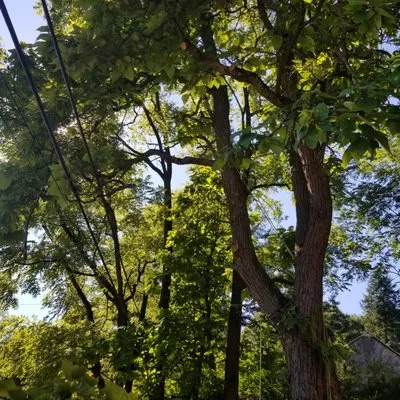
G&K Landscaping And Tree Service is a trusted, locally-owned company serving Allentown, PA, with over 20 years of experience in comprehensive tree services and landscaping. We are a fully licensed and...
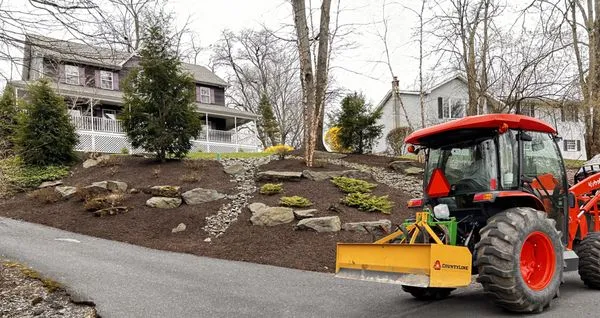
Robs Mulch N Stone is a locally owned and operated Stroudsburg business dedicated to the health and beauty of your property. We provide a comprehensive range of tree and lawn care services, from exper...

Cooper’s Lawn And Landscape is a family-owned and operated lawn service based in Womelsdorf, PA, established in 2023. We specialize in comprehensive lawn care, including mowing, trimming, mulching, pl...
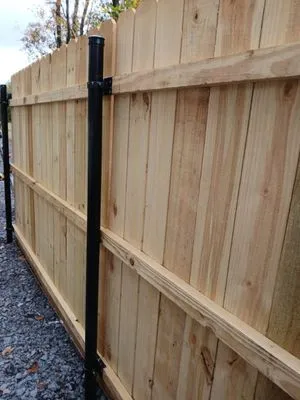
Bar 20 Fence And Farm Services is a family-run ranch and service business based right here in Boyertown, established in 2020. We offer practical solutions for both homeowners and farmers in Berks Coun...
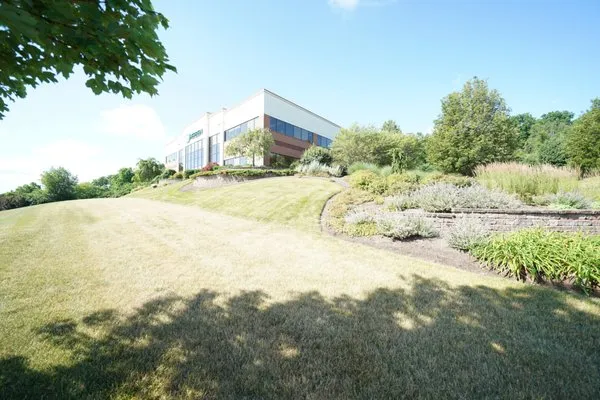
For over 25 years, New Castle Lawn & Landscape has been the trusted local choice for landscaping in Berks County. Founded and led by Brad, a Governor Mifflin High School graduate with over two decades...
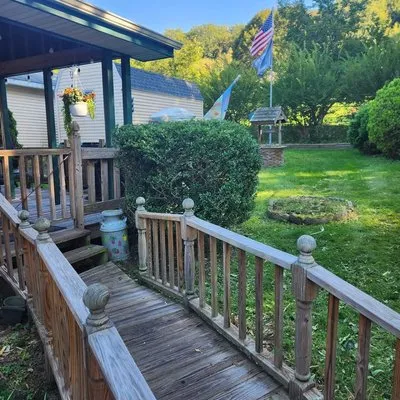
Ron's Lawn Care has been a trusted local provider in Shenandoah, PA, and surrounding Schuylkill and Berks Counties since 1997. Starting with just a small mower and basic tools, Ron has built his busin...
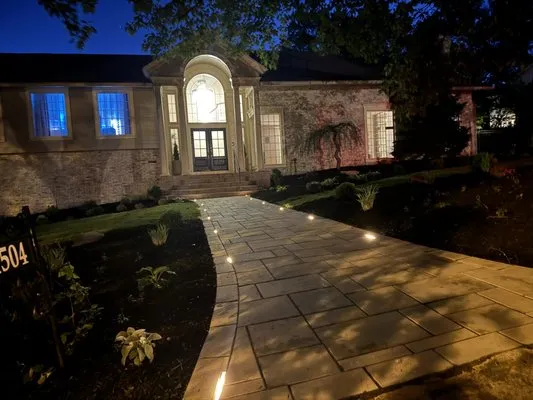
Lush Emerald Landscapes is a Reading, PA-based landscaping company founded in 2020 by Veronica, a local nature enthusiast with extensive hands-on experience. Specializing in irrigation design, landsca...
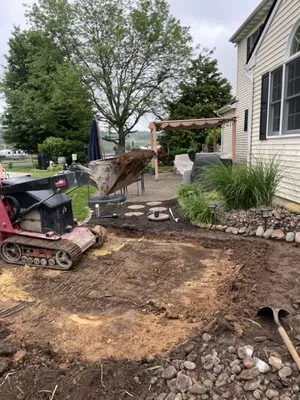
LCG Landscaping is a full-service landscaping company serving Douglassville, PA, and the surrounding communities. We specialize in comprehensive landscape solutions including earthmoving, landscape de...
Estimated Landscaping Service Costs in Branch, PA
Q&A
Why does the soil in my Branch Center yard feel compacted and waterlogged?
Homes built around 1938 in Branch Center often have acidic silty loam soils that have matured for nearly 90 years without significant remediation. This long-term development, combined with historical construction practices, leads to high compaction and poor percolation. Core aeration and incorporating composted organic matter are critical to improve soil structure and permeability. Addressing this foundational issue supports healthier turf and plantings by enhancing root zone oxygen and water movement.
Is Pennsylvania Bluestone a good choice for a new patio?
Pennsylvania Bluestone offers superior longevity and lower lifecycle maintenance than wood or composite decking in Zone 6b. Its natural thermal mass moderates temperature, and when laid with permeable joints, it aids in managing site runoff. For properties in low Fire Wise rated areas, its non-combustible nature contributes to defensible space. Proper installation on a compacted gravel base is essential to prevent settling in our freeze-thaw cycles.
How fast can you respond for an emergency tree cleanup after a storm?
Our emergency dispatch from Branch Memorial Park utilizes PA-61 for primary access to Branch Center, ensuring a 20-30 minute peak response time. This routing is optimized for storm-related obstructions. We maintain a dedicated electric fleet compliant with local noise ordinances for after-hours work when necessary. The priority is securing the site and preventing further property damage before initiating full debris removal.
How should I handle invasive weeds like Japanese Knotweed safely?
Invasive species require a targeted, multi-year management plan. For woody invasives, cut-stem herbicide applications in late summer are most effective, while careful manual removal works for others. All treatments must comply with the Pennsylvania Fertilizer Act, avoiding nutrient applications during blackout dates and using only licensed products. Incorrect treatment can worsen infestations, so professional assessment is recommended for proper species identification and protocol.
My yard has seasonal puddling. What are the best solutions?
Moderate runoff in acidic silty loam is common due to its slow permeability. Solutions begin with regrading to direct water away from foundations and installing French drains or dry wells in saturation zones. Using permeable Pennsylvania Bluestone for patios or walkways increases ground absorption. All significant drainage alterations should be reviewed with the Schuylkill County Planning & Zoning Department to ensure compliance with stormwater runoff standards.
Do I need a permit to regrade my 0.25-acre lot?
Yes, regrading that alters water flow or involves significant cut/fill typically requires a permit from the Schuylkill County Planning & Zoning Department. On a lot of this size, changes can impact neighboring parcels and stormwater systems. Furthermore, the work must be performed by or under the supervision of a landscape contractor licensed by the Pennsylvania Department of Agriculture. This ensures adherence to erosion control and nutrient management laws, protecting you from liability.
Can I have a green lawn while practicing water conservation?
Yes, through precise ET-based smart irrigation. These Wi-Fi weather-sensing controllers adjust runtime daily based on local evapotranspiration data, applying water only when your Kentucky Bluegrass and Tall Fescue blend needs it. This system often reduces water use by 20-30% compared to traditional timers, aligning with voluntary conservation goals. Properly managed, it maintains turf health by preventing the shallow root growth caused by frequent, light watering.
What are low-maintenance alternatives to my traditional lawn?
Transitioning areas to climate-adapted natives like Eastern Redbud, Switchgrass, Butterfly Milkweed, and New England Aster reduces water, mowing, and chemical inputs. These plants support local biodiversity and require no gas-powered blowers for maintenance, aligning with future noise ordinance trends. A phased conversion using mulch and drip irrigation establishes a resilient landscape that meets evolving 2026 ecological standards for the urban interface.
