Top Landscaping Services in Bell, PA, 15613 | Compare & Call
There are 203 landscaping companies server in Bell PA
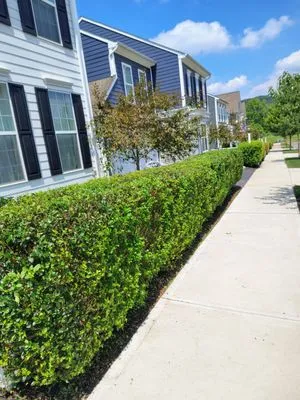
A1 Landscaping in Washington, PA, is a locally owned landscaping company founded by a team of professional landscapers who bring years of hands-on experience to every project. We specialize in compreh...
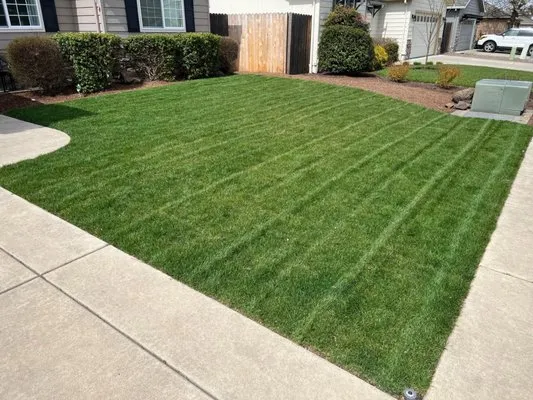
No Sweat Services LLC is a locally owned and operated Pittsburgh company that brings together trusted expertise in moving, landscaping, and handyman services. Founded by Mike, the moving division bega...
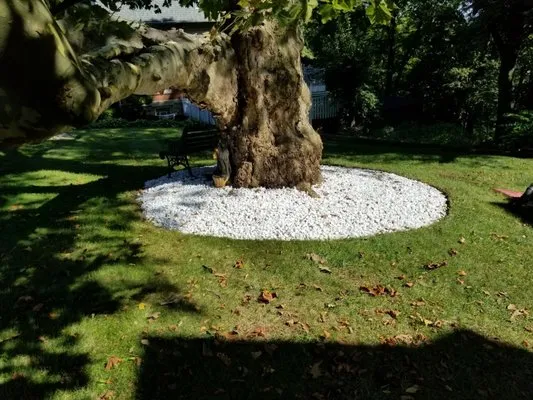
Green Peak Lawn & Landscape is a locally owned and operated Greensburg business built on decades of hands-on experience. Owner-operated from the start, the company's foundation comes from a childhood ...
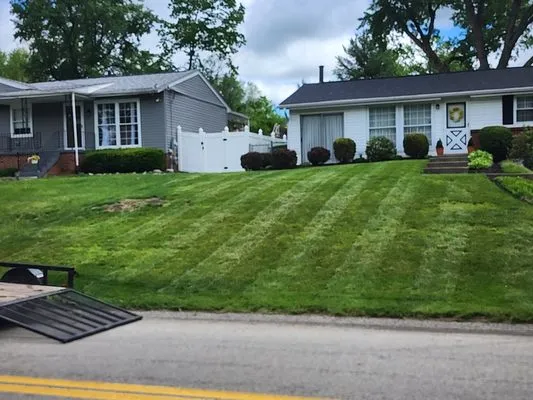
Hotrod Softscape and Hardscape is a trusted Murrysville, PA, landscaping company specializing in lawn care, masonry/concrete, and tree services. We understand the common local challenges homeowners fa...
Mains Landscaping is a trusted local landscaping company serving Trafford, PA, and the surrounding areas. We specialize in addressing common landscaping challenges faced by homeowners in our community...

Refael Handyman Services is a Pittsburgh-based provider offering reliable and affordable solutions for home repairs, furniture assembly, and landscaping. We specialize in handyman assembly, caulking, ...
Esposito Landscaping is a full-service landscape company serving Delmont, PA, and surrounding areas. We specialize in comprehensive lawn care, including maintenance and new installations, along with c...
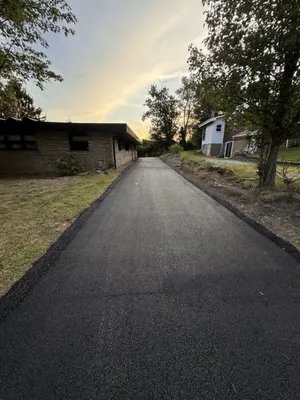
T & H Paving is a second and third-generation family-owned business serving Pittsburgh and the Tri-State area. We specialize in a comprehensive range of paving and site work, from asphalt paving, seal...
St Onge Lawn Service is a trusted local landscaping company serving Claridge, PA, and surrounding areas. We specialize in addressing common residential landscaping challenges like sprinkler coverage g...
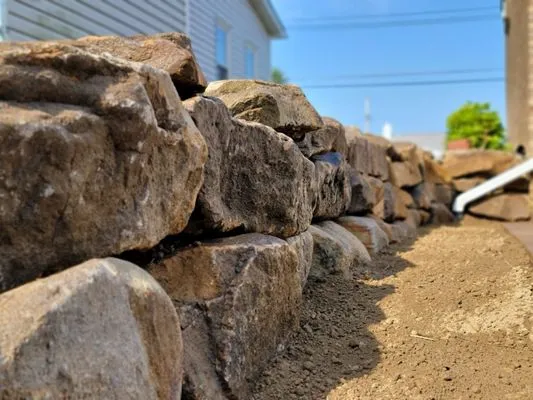
TruScape is a locally-owned Greensburg lawn care and landscaping company founded by Jimmy Patterson, who brings over ten years of green industry experience and a Penn State business management degree....
Estimated Landscaping Service Costs in Bell, PA
Q&A
My HOA cited me for storm debris. How fast can you get a crew here for an emergency cleanup?
For HOA compliance or post-storm emergency cleanups, our dispatch from Bellwood-Antis Community Park via I-99 allows a reliable 20-30 minute arrival to most Bellwood addresses during peak hours. Our electric fleet complies with the local 8 PM to 7 AM noise ordinance, enabling early morning starts for urgent work. We prioritize these calls with a two-person crew equipped with hand tools and electric blowers to clear debris and document compliance for your HOA.
What permits and credentials should I verify before hiring for a major grading project?
For any significant grading or earthmoving on a 0.25-acre lot, verify the contractor holds a Pesticide/Applicator license from the Pennsylvania Department of Agriculture. The Blair County Planning Department requires permits for projects altering drainage patterns or adding impervious surfaces. Hiring a licensed professional ensures compliance with state sediment control and phosphorus runoff laws, protects you from liability, and guarantees the work meets current engineering standards for soil stability and water management.
Is Pennsylvania Bluestone a better choice than a wood deck for my new patio?
Pennsylvania Bluestone offers superior longevity and lower lifecycle maintenance compared to wood. Its mineral composition is non-combustible, contributing to a defensible space that aligns with the area's Low Fire Wise rating—a consideration for future climate adaptation. Bluestone's thermal mass moderates temperature extremes, and when installed with permeable joints, it manages runoff effectively. Unlike wood, it requires no sealing or staining and will not rot, splinter, or attract pests.
I'm tired of weekly mowing. What are my low-maintenance, eco-friendly options?
Transitioning high-maintenance turf areas to a native plant community is a forward-thinking strategy. Incorporating Eastern Redbud, Switchgrass, Black-eyed Susan, and Butterfly Milkweed reduces mowing, eliminates gas-powered equipment noise, and supports 2026 biodiversity targets. These deep-rooted natives improve soil structure, require no synthetic fertilizer after establishment, and are adapted to Zone 6a climate stresses. This shift preemptively aligns with evolving noise ordinances targeting gas blowers and mowers.
My yard turns into a soggy mess every spring. What's a lasting solution?
Seasonal saturation is common in Bell's acidic silty loam due to its moderate percolation rate. A primary solution is installing a French drain system tied to a dry well or daylight outlet. For hardscape areas, using permeable set Pennsylvania Bluestone patios or walkways allows stormwater to infiltrate naturally, reducing runoff volume. These systems often meet Blair County Planning Department's updated stormwater management standards, which aim to mitigate downstream flooding from quarter-acre lots.
What are the biggest weed threats here, and how do I deal with them safely?
In Bell, invasive species like Japanese Knotweed, Garlic Mustard, and Spotted Lanternfly host trees (e.g., Tree of Heaven) pose significant risks. Treatment requires precise timing; for example, herbicide applications for knotweed are most effective late in the growing season. All chemical interventions must be performed by a professional licensed by the Pennsylvania Department of Agriculture to ensure compliance with state phosphorus runoff regulations and to avoid harming non-target native plants.
Why does the soil in my yard seem so dense and tired compared to newer neighborhoods?
Bellwood lots, typically developed around 1962, have over 60 years of soil maturation. The native acidic silty loam has likely become compacted from decades of foot traffic and standard maintenance, reducing its permeability and organic matter content. This compaction limits root growth and water infiltration, exacerbating seasonal saturation issues. Core aeration in spring or fall, combined with top-dressing compost, is essential to rebuild soil structure and biology for long-term plant health.
Can I have a green lawn without wasting water or violating future restrictions?
Yes. Using smart Wi-Fi ET-based weather sensing controllers is the standard for water conservation. These systems automatically adjust irrigation schedules based on real-time evapotranspiration data, applying water only when your Kentucky Bluegrass and Tall Fescue blend needs it. This technology prevents overwatering, even under 'Normal' restriction status, by aligning with municipal water budgets. Properly calibrated, it maintains turf health while reducing annual water use by 20-30% compared to traditional timers.
