Top Landscaping Services in Bart, PA, 17503 | Compare & Call
There are 96 landscaping companies server in Bart PA
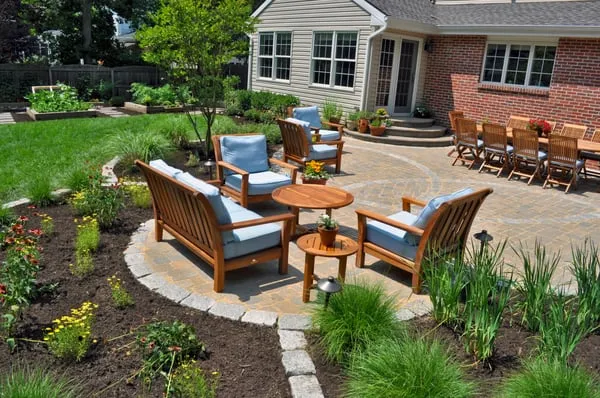
Pickel Landscape Group is a Landenberg-based landscape design and construction company serving Southern Chester County and Northern Delaware. Founded in 2007 by Mike Pickel, the business is built on d...

Paz Landscaping & Service
Paz Landscaping & Service is a family-owned and operated landscaping and hardscaping company serving Langhorne, PA, and the surrounding Bucks County area. With a focus on creating beautiful, functiona...

Promised Land Landscape is a locally owned and operated landscaping company in Allentown, PA, founded and managed by owner Leo. Built on principles of hard work, honesty, and attention to detail, we s...
Since 1988, Horizon Landscape has been a trusted family-owned and operated business serving the Lehigh Valley from Macungie, PA. We specialize in transforming outdoor spaces through comprehensive hard...
TerraSafe Pest & Landscape is a Reading, PA-based company providing comprehensive pest control and landscaping services to homeowners and businesses throughout Berks County. We specialize in extermina...
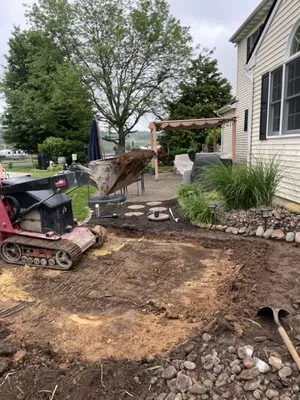
LCG Landscaping is a full-service landscaping company serving Douglassville, PA, and the surrounding communities. We specialize in comprehensive landscape solutions including earthmoving, landscape de...
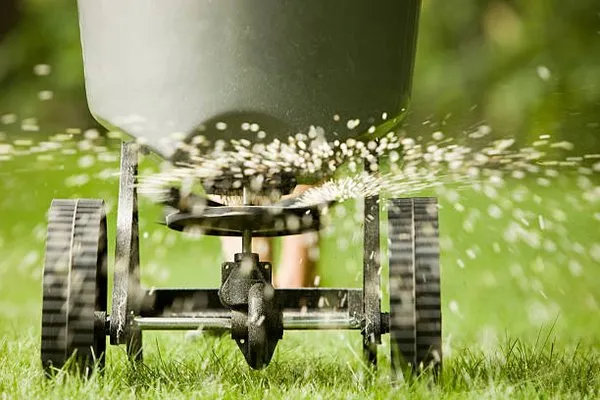
Stumpf's Lawn Care is a family-owned and operated landscape company serving Mountville, PA, and Lancaster County since 2008. We specialize in lawn care, tree services, and snow removal, working direct...
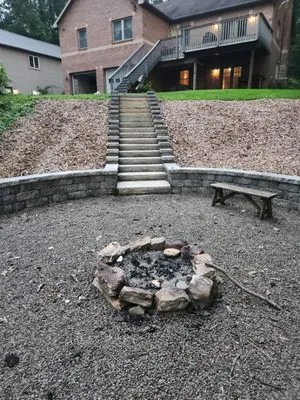
Vision Outdoors is a Narvon-based landscaping and outdoor construction company serving Lancaster County with comprehensive outdoor solutions. We specialize in transforming residential and commercial o...
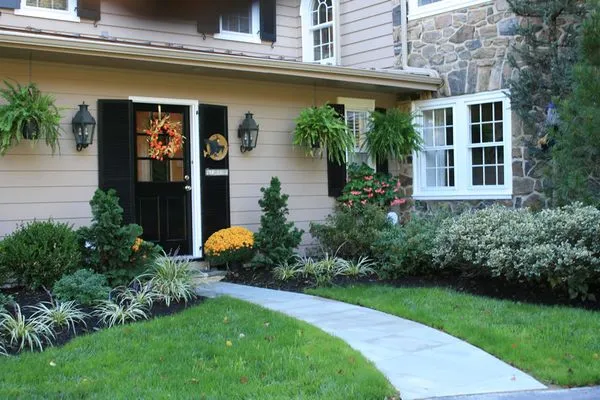
John A. Pinto Landscaping is a family-owned business with over 40 years of experience serving Ardmore, PA, and surrounding communities within a 20-mile radius. Founded by John Pinto, who started in gr...
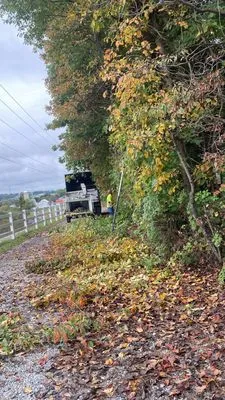
ABB Tree Services in Coatesville, PA is a family-owned tree service and landscaping business with deep roots in sustainable land management. Founded on principles passed down from a grandfather who ow...
Estimated Landscaping Service Costs in Bart, PA
Question Answers
How can I keep my Kentucky Bluegrass healthy without overwatering?
A soil moisture sensor (SMS) controller is the definitive tool for this. It bypasses preset schedules and only initiates irrigation when the root zone moisture drops below a programmed threshold. This ET-based method applies water precisely when and where your turf blend needs it, eliminating waste. Even with no formal water restrictions in Bart, this technology is essential for voluntary conservation and maintaining turf health through peak summer stress.
My yard is soggy for months. What's a permanent solution that also looks good?
The combination of silt loam soil and a high water table requires a multi-pronged approach. First, install a French drain or dry creek bed to intercept and redirect subsurface flow. For new patios or walkways, specify permeable base installations using Pennsylvania Bluestone. This allows stormwater to infiltrate locally, reducing runoff volume and helping your project meet Lancaster County Planning Department's current stormwater management standards.
Is Pennsylvania Bluestone a better choice than a wood deck for my new patio?
For longevity and low maintenance, Bluestone is superior. It is a durable, natural stone that will not rot, warp, or require sealing like wood. In this low Firewise rating zone, its non-combustible nature also contributes to defensible space. A properly installed Bluestone patio on a compacted gravel base will last decades, whereas a wood structure requires ongoing staining and eventual replacement, especially in our humid summers and wet springs.
We need an emergency cleanup after a storm. How quickly can a crew arrive?
For urgent HOA compliance or storm damage work, our dispatch prioritizes Bart. The crew will route from our staging area near the Bartville Produce Auction, taking PA-896 directly into the township. Given rural road conditions and the distance, you can expect a service vehicle onsite within the quoted 45 to 60 minute response window for an immediate assessment and initial cleanup.
Do I need a permit to regrade part of my 1.2-acre lot?
Yes, significant grading that alters stormwater flow patterns typically requires a permit from the Lancaster County Planning Department. Furthermore, any contractor performing earthmoving or applying fertilizers/manure on an agricultural operation of this scale must possess appropriate licensing from the Pennsylvania Department of Agriculture, particularly under Act 38. It is crucial to verify these credentials, as improper grading can create drainage liabilities and violate nutrient runoff regulations.
I'm tired of weekly mowing. What are my lower-maintenance options?
Transitioning sections of high-input turf to a native plant meadow is a forward-looking strategy. Species like Little Bluestem, Butterfly Milkweed, and New England Aster are adapted to our Zone 6b climate and acidic soil, requiring no fertilizer, minimal water, and only an annual cutback. This reduces reliance on gas-powered mowers and blowers, aligning with a shift toward electric equipment to mitigate noise nuisance concerns under common law.
What invasive species should I watch for, and how do I control them safely?
In Bart's rural setting, watch for Japanese Knotweed along waterways and Tree-of-Heaven in disturbed areas. For control, mechanical removal or targeted cut-stump herbicide applications in late summer are most effective. All nutrient and pesticide applications must comply with Pennsylvania's Nutrient Management Act (Act 38). This means avoiding fertilizer during winter blackout periods and ensuring any professional treatment is performed by a licensed applicator to protect local waterways.
Why does my lawn in Bart Township Center struggle to drain and look thin?
Your property's soil is likely the original acidic silt loam from when the area was developed around 1974. This soil is now over 50 years old and, without consistent amendment, has become compacted. This compaction, combined with its naturally fine texture, severely reduces percolation and promotes the seasonal high water table you experience. Core aeration and incorporating compost are critical to rebuild soil structure, improve drainage, and support a healthier turf root system.
