Top Landscaping Services in Bainbridge, PA, 17502 | Compare & Call
There are 169 landscaping companies server in Bainbridge PA
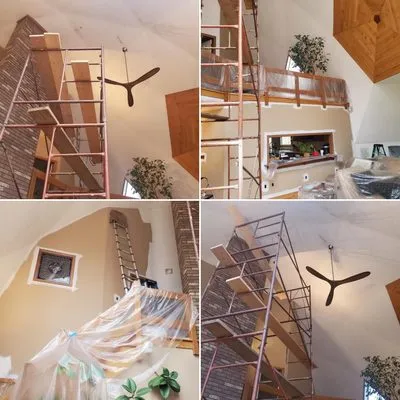
Precision Details is a fully insured, owner-operated handyman and landscaping service based in Robesonia, PA. We specialize in a comprehensive range of home improvement and outdoor projects, from hand...
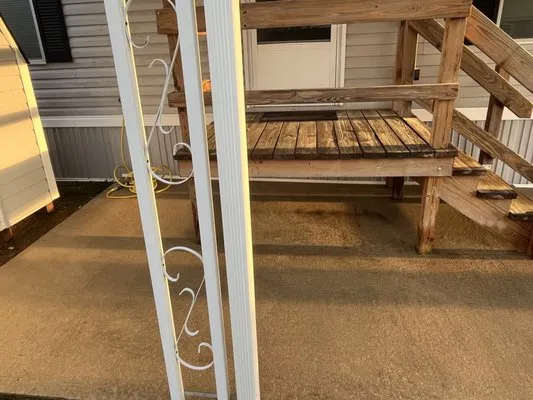
Based in Womelsdorf, 335 Home Services is your local provider for reliable lawn care and pressure washing. We focus on straightforward, quality work that helps your home look its best, from a neatly t...
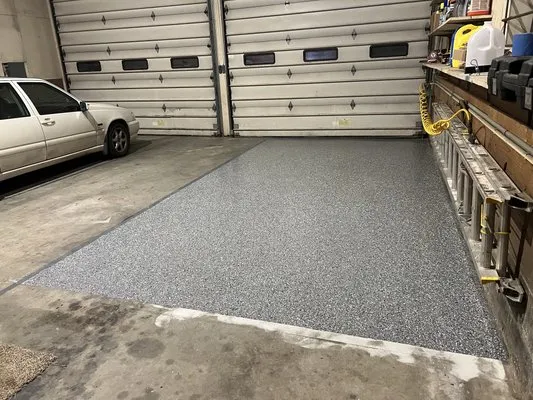
Elite Property Care is a full-service contractor serving Christiana, PA, and the surrounding area, specializing in landscaping, masonry, and foundation work. We help homeowners protect and enhance the...
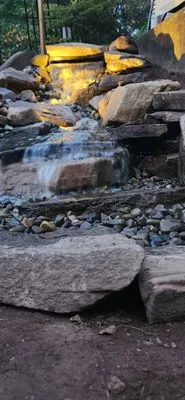
Burdge's Water Gardens is a family-owned koi pond and water feature business serving the Central PA area, including Enola. We specialize in pond installation, maintenance, and repair, with a deep unde...

Hostetter and Sons Lawn Care is a veteran-owned family business in Mount Joy, PA, founded by a US Army veteran who brings discipline and dedication to every job. At 35, married with two children, he e...
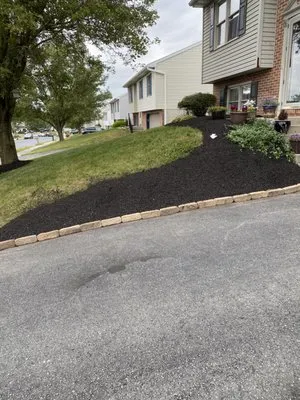
Evan's Landscaping is a trusted, local lawn care provider serving Elizabethtown and the surrounding areas. We specialize in addressing the common lawn challenges faced by homeowners in our region, suc...

Shappell Landscaping is a locally owned and operated business in Elizabethtown, PA, founded by Jake. Specializing in comprehensive shrub care and landscape maintenance, the company offers services inc...
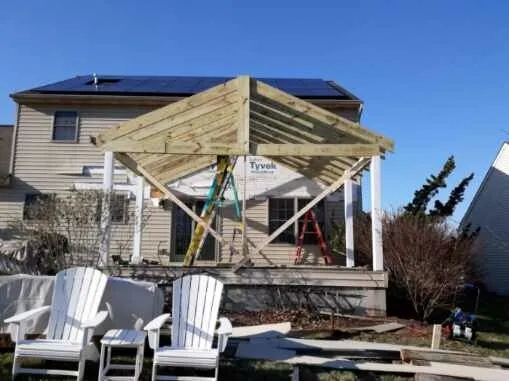
Built 2 Last General Contracting is a trusted, family-owned and operated business serving York, PA. We take immense pride in our work, specializing in customer satisfaction across a wide range of gene...
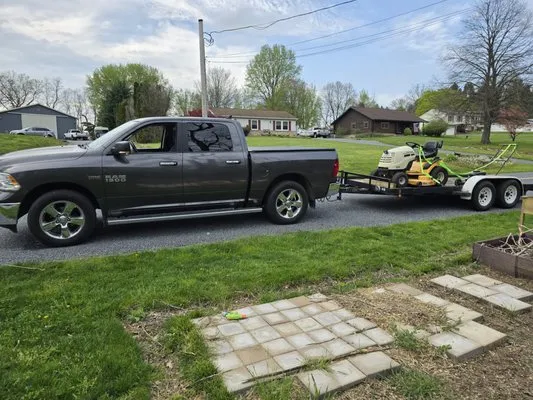
Steele Lawn Care is a dedicated lawn service provider serving Marietta, PA, and the surrounding communities. We specialize in comprehensive lawn care solutions designed for the specific challenges of ...
Estimated Landscaping Service Costs in Bainbridge, PA
Frequently Asked Questions
How should I manage invasive species without violating local fertilizer regulations?
Japanese stiltgrass and garlic mustard present significant invasive threats in Bainbridge's USDA Zone 7a. Manual removal before seed set is most effective for small infestations. For larger areas, targeted herbicide applications should occur outside PA Nutrient Management Act blackout dates, typically avoiding spring runoff periods. Always verify current regulations with the Pennsylvania Department of Agriculture. Integrating competitive native plants helps prevent reinfestation while supporting soil health.
How can I maintain Tall Fescue turf during voluntary water conservation periods in Bainbridge?
Wi-Fi ET-based weather sensing irrigation systems automatically adjust watering schedules based on real-time evapotranspiration data and precipitation. This technology reduces water usage by 20-40% compared to traditional timers while preserving turf health. Programming deep, infrequent watering cycles encourages deeper root growth and drought tolerance in Tall Fescue. These systems help maintain municipal compliance during normal conservation periods without sacrificing landscape quality.
How quickly can you respond to an emergency storm cleanup that violates HOA compliance standards?
Emergency cleanup crews dispatch from the Bainbridge Fire Hall area and travel via PA-441 to reach Conoy Township Residential properties within 20-30 minutes during peak conditions. This response time accounts for debris clearance and immediate safety hazard mitigation. We prioritize routes that avoid typical congestion patterns to ensure timely arrival for compliance-critical situations.
What solutions address moderate runoff issues common with silt loam soils in our area?
Silt loam's moderate permeability combined with seasonal high water tables creates runoff challenges in Bainbridge landscapes. Installing permeable Pennsylvania Bluestone patios or walkways allows water infiltration while meeting Conoy Township Planning and Zoning runoff standards. French drains or dry creek beds with native stone can redirect surface water away from foundations. These approaches manage drainage hazards while maintaining aesthetic appeal and regulatory compliance.
Why choose Pennsylvania Bluestone over wood for patios in fire-prone areas?
Pennsylvania Bluestone provides superior longevity and fire resistance compared to wood decking, with a lifespan exceeding 50 years versus wood's 10-15 years. This natural stone maintains the required 5-foot non-combustible buffer for moderate Fire Wise ratings without degradation. Bluestone's thermal mass helps moderate temperature extremes and requires no chemical treatments. Its permeability also supports better drainage than impervious alternatives, reducing runoff issues.
What permits and licensing are required for grading work on a 0.35-acre property?
Grading projects on 0.35-acre lots in Bainbridge typically require permits from Conoy Township Planning and Zoning, especially when altering drainage patterns or moving significant earth. Contractors must hold appropriate licensing through the Pennsylvania Department of Agriculture for pesticide application if soil amendments include treated materials. Professional landscape architects or engineers may need to seal plans for substantial grade changes. These requirements ensure proper water management and environmental protection on residential properties.
What alternatives exist for reducing gas-powered maintenance while improving ecological value?
Replacing high-maintenance turf areas with native plantings like Eastern Redbud, Switchgrass, Swamp Milkweed, and Joe Pye Weed significantly reduces mowing and blowing requirements. These species require minimal maintenance once established and support local pollinators. Transitioning to electric maintenance equipment ahead of potential noise ordinance changes reduces operational noise and emissions. This approach creates resilient landscapes that anticipate evolving municipal regulations.
Why does my 1970s-era lawn in Conoy Township Residential struggle with compaction and poor drainage?
Bainbridge properties built around 1972 have soil that has matured for approximately 54 years. Silt loam soil common in this neighborhood naturally compacts over decades, reducing permeability and oxygen availability to roots. Core aeration every 1-2 years is essential to break up compaction layers and improve water infiltration. Adding organic amendments like composted leaf mold can enhance soil structure and microbial activity in these established landscapes.
