Top Landscaping Services in Audubon, PA, 19403 | Compare & Call

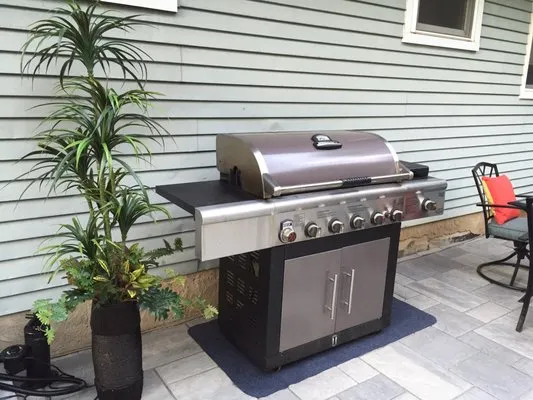
Audubon Landscaping is your trusted, local partner for a healthy and beautiful property in Audubon, PA. We specialize in year-round solutions for common local challenges, such as yard drainage problem...
After living abroad, my family and I returned to Audubon with a fresh appreciation for the community and the opportunity to serve our neighbors. We founded Venture Home Services to provide reliable, d...

Victory Landscaping is a trusted local landscaping company serving Audubon, PA, and the surrounding communities. We specialize in comprehensive lawn care and irrigation solutions, with a particular fo...
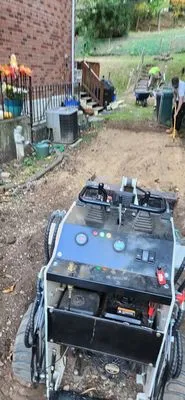
J&S Property Solutions is a full-service landscaping, tree care, and masonry contractor serving Audubon, PA, and surrounding areas. With expertise spanning from hardscaping and paver brick patios to t...
Questions and Answers
How can we maintain our Tall Fescue lawn during dry spells without violating water conservation guidelines?
Wi-Fi ET-based weather sensing irrigation calculates evapotranspiration rates specific to Audubon's microclimate. The system automatically adjusts runtime to deliver 1-1.5 inches weekly, matching Tall Fescue's water needs while staying within voluntary conservation limits. During drought alerts, the system prioritizes deep, infrequent watering at dawn to minimize evaporation loss. This technology typically reduces municipal water consumption by 30-40% compared to traditional timer-based systems.
We're considering a patio expansion. How does Pennsylvania Bluestone compare to composite wood for longevity and safety?
Pennsylvania Bluestone offers superior longevity with a 50+ year service life versus wood's 15-25 year maximum. Its non-combustible nature supports Audubon's Low Fire Wise rating by creating defensible space without fuel loading. The stone's thermal mass moderates temperature extremes, reducing heat island effect in suburban settings. Properly installed with polymeric sand joints, Bluestone maintains permeability while resisting weed penetration and frost heave damage common in our climate zone.
What permits and licenses are required for regrading our 0.35-acre property in Audubon?
Grading work on 0.35-acre lots requires a land disturbance permit from Lower Providence Township Planning & Zoning when moving more than 100 cubic yards of material. Contractors must hold Pennsylvania Department of Agriculture pesticide applicator certification if treating vegetation during the process. The Nutrient Management Act mandates erosion control measures like silt fencing and straw wattles for projects exceeding 5,000 square feet of disturbance. Professional licensing ensures compliance with state stormwater management regulations and protects against liability issues.
We need emergency storm cleanup before an HOA inspection tomorrow morning. How quickly can a crew reach our property?
Emergency crews dispatch from the John James Audubon Center at Mill Grove, taking US-422 directly to Audubon Village. During peak conditions, travel time ranges 25-40 minutes depending on traffic volume and debris clearance. The crew arrives with electric-powered equipment compliant with noise ordinances, allowing immediate work within the 7:00 AM to 9:00 PM operational window. All debris is processed on-site using chipper-shredders to minimize hauling trips.
Our yard develops standing water after heavy rains. What solutions work with our soil type and local regulations?
Penn Silt Loam's moderate runoff issues stem from seasonal high water tables and reduced infiltration rates. Installing permeable Pennsylvania Bluestone pathways with ¼-inch joints filled with angular gravel creates 40-50% void space for water penetration. These installations must meet Lower Providence Township's runoff standards requiring 90% of stormwater to infiltrate within 72 hours. French drains with clean stone aggregate complement hardscape solutions by intercepting subsurface flow before it reaches foundation areas.
Our Audubon Village yard has been struggling with compaction and poor drainage. What's happening with our soil after all these years?
Audubon Village properties built around 1985 now have 41-year-old soil systems. Penn Silt Loam naturally develops surface compaction over decades, reducing permeability to 0.5-1.5 inches per hour. The pH range of 6.1-6.5 indicates adequate acidity for most ornamentals but requires annual core aeration to maintain oxygen diffusion. Adding 2-3 cubic yards of composted organic matter per 1000 square feet annually rebuilds soil structure without altering pH balance.
We want to reduce lawn maintenance and noise from gas equipment. What native alternatives work in our area?
Replacing high-maintenance turf with Eastern Redbud, Purple Coneflower, Swamp Milkweed, and Switchgrass creates a self-sustaining ecosystem requiring minimal intervention. These natives thrive in USDA Zone 7a without synthetic inputs, eliminating the need for gas-powered blowers and mowers. The transition supports 2026 biodiversity standards by providing habitat for pollinators while reducing carbon emissions. Electric maintenance equipment operates below 65 decibels, easily complying with Audubon's noise ordinance restrictions.
We've spotted invasive Japanese stiltgrass in our yard. How do we treat it without violating fertilizer regulations?
Japanese stiltgrass (Microstegium vimineum) requires immediate pre-emergent treatment in early April before seed set. Apply corn gluten meal at 20 pounds per 1000 square feet as an organic alternative to synthetic herbicides. This approach complies with Pennsylvania Nutrient Management Act requirements while avoiding blackout dates for professional applications. Manual removal before flowering prevents seed bank development, with follow-up monitoring through the growing season to catch any resurgence.
