Top Landscaping Services in Arnold, PA, 15068 | Compare & Call
There are 180 landscaping companies server in Arnold PA

With a passion for transforming outdoor spaces, R6 - Full Service Landscaping brings years of dedicated experience to Washington, PA. I started this business after seeing firsthand how quality can be ...
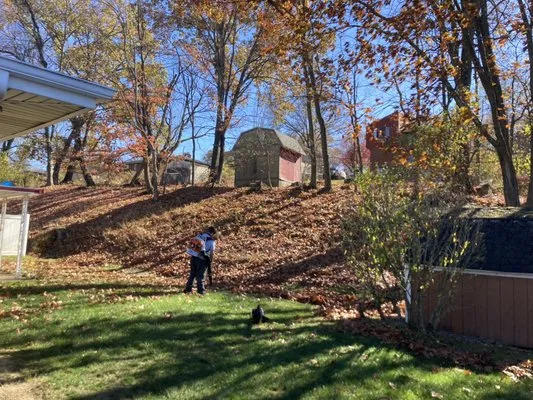
Bridge City Scapes is a full-service landscaping and tree care company serving New Kensington and the surrounding Allegheny County area. We specialize in solving common local property challenges, such...
RH Services is a trusted commercial property maintenance partner serving Apollo and all of southwestern Pennsylvania. Since 2002, we have provided reliable, year-round services to keep businesses runn...
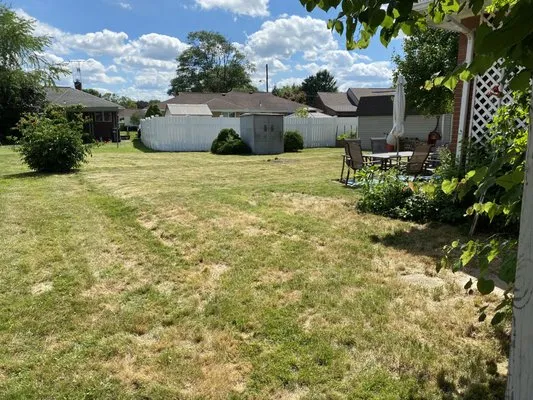
Hollins Handy Work is your trusted local handyman and lawn care provider serving Aliquippa, PA, and the surrounding 20-mile area. We specialize in a wide range of home maintenance and improvement serv...

Servez is a Pittsburgh-based company founded by local partners dedicated to providing reliable junk removal, moving, and landscaping services. We help residents and businesses manage everything from a...
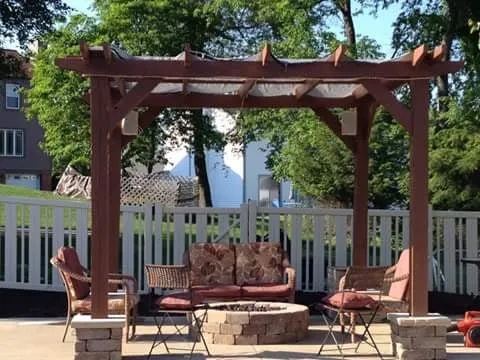
Boyce Landscape Solutions is a trusted landscaping company serving Gibsonia, PA, and the surrounding areas. We specialize in addressing common local landscaping challenges, such as dead lawn areas and...
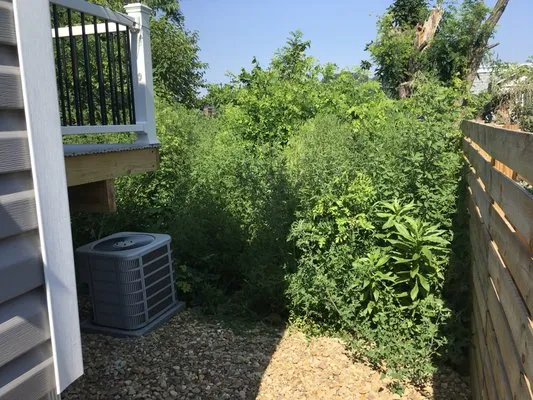
A.G.S. Landscaping is a family-owned and operated business serving the greater Pittsburgh area since 1984, with Michael leading the company since 2007. As a full landscaping contractor, we specialize ...
412 Legacy Landscaping is a Pittsburgh-based landscaping company dedicated to transforming outdoor spaces across Allegheny County. We specialize in comprehensive solutions that address common local ch...
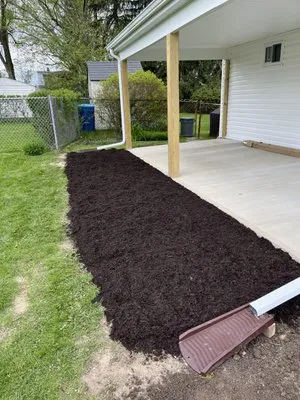
JW & Son's Landscaping is a family-owned and operated business serving Plum, PA, with deep roots in the community. Founded in 2020 by owner Josh, the company continues a dream started by his father, w...
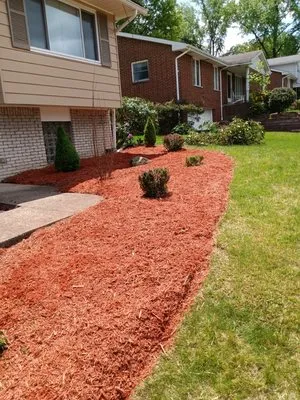
JR Ryder is your trusted local lawn care specialist in Pitcairn, PA, focused on solving the common landscaping challenges homeowners face in our area. We tackle persistent issues like invasive weeds i...
Estimated Landscaping Service Costs in Arnold, PA
Q&A
What permits and credentials are needed for a significant grading project on our 0.15-acre lot?
Significant grading that alters water flow or involves retaining walls over two feet typically requires a permit from the Arnold City Building & Zoning Department. The contractor must hold appropriate licensing from the Pennsylvania Department of Agriculture for landscape contracting and, if applicable, pesticide application. For a lot of this size, improper grading can impact neighboring parcels, so licensed professionals ensure work meets erosion control and water management standards.
Our yard has persistent puddling after rain. What's the best long-term solution?
Puddling indicates the moderate runoff hazard from Arnold's clay-heavy subsoil. Solutions begin with subsoil aeration or vertical mulching to break up compaction. For hardscapes, specifying permeable installations with local sandstone or concrete pavers increases surface permeability, helping meet Arnold City Building & Zoning Department runoff standards. Integrating a rain garden with native plants in the drainage path can further capture and filter stormwater.
What invasive species should we watch for, and how do we manage them safely?
Japanese Knotweed and Garlic Mustard are prevalent invasive threats in Arnold. Management requires precise timing: manual removal or targeted, licensed herbicide application before seed set. All treatments must comply with the Pennsylvania Fertilizer Act and nutrient management plans, avoiding banned substances and respecting seasonal blackout dates. A long-term strategy focuses on soil health and dense planting with natives like Eastern Redbud to outcompete invaders.
If a storm downs a large limb, what is your emergency response protocol?
For emergency storm cleanup, our dispatch from Arnold Public Park uses PA-366 for efficient access to Arnold City Center, targeting a 20-30 minute arrival during peak hours. We prioritize safety and HOA compliance, deploying electric-powered chippers and haulers that operate within the 7:00 AM to 9:00 PM noise ordinance. The initial site assessment focuses on removing hazards and clearing driveways before beginning systematic debris processing.
Is local sandstone a better choice than wood for a new patio?
Local sandstone offers superior longevity and lower lifecycle maintenance than wood, which requires regular sealing and replacement. Sandstone's thermal mass moderates temperature, and its natural permeability aids in stormwater management. For properties concerned with Fire Wise principles, sandstone provides a non-combustible, defensible space material, though Arnold's current low urban rating makes this a secondary benefit. Its durability justifies the initial investment.
How can we keep our Kentucky Bluegrass lawn healthy without wasting water?
Smart Wi-Fi soil moisture sensor controllers are essential. They schedule irrigation based on actual evapotranspiration (ET) and soil conditions, not a fixed timer, preventing overwatering even during normal restriction periods. For USDA Zone 6b, deep, infrequent watering encourages deeper root systems in your Tall Fescue blend, improving drought resilience. This technology directly manages application rates to stay within municipal water budgets while maintaining turf health.
We want to reduce mowing and chemical use. What are our options?
Transitioning high-input turf areas to climate-adaptive xeriscaping with Pennsylvania natives is a strategic move. Plants like Butterfly Weed, Wild Bergamot, and New England Aster provide superior biodiversity value, require no fertilizer, and are adapted to acidic soils. This reduces weekly mowing frequency, fuel costs, and aligns with evolving noise ordinances that restrict gas-powered blowers. The resulting landscape is more resilient and requires less resource-intensive maintenance.
Our yard in Arnold City Center feels compacted and thin. Could the house's age be a factor?
Yes, your 1952 home indicates the soil has been managed for 74 years. Arnold's acidic silty loam naturally compacts over decades, forming a restrictive clay-heavy subsoil layer that impedes root growth and water percolation. This common condition in older neighborhoods requires core aeration to relieve compaction, followed by amendments like compost to build organic matter. Healthy soil biology, including mycorrhizae, is suppressed in these environments and must be actively restored.
