Top Landscaping Services in Armstrong, PA, 15701 | Compare & Call

There are 176 landscaping companies server in Armstrong PA
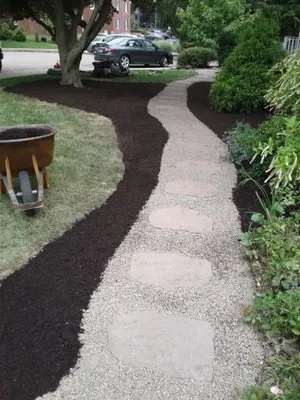
Chris Schoedel - Lawn Care & Landscaping
Chris Schoedel - Lawn Care & Landscaping is a locally owned and operated business serving New Brighton, PA, and surrounding areas like Cranberry Township and Butler County. With over 20 years of exper...
Bill's Kid Lawn Service LLC is a family-owned business in Pittsburgh, PA, specializing in lawn care and junk removal. Founded on the legacy of 'Bill's Lawn Service,' the company brings decades of loca...
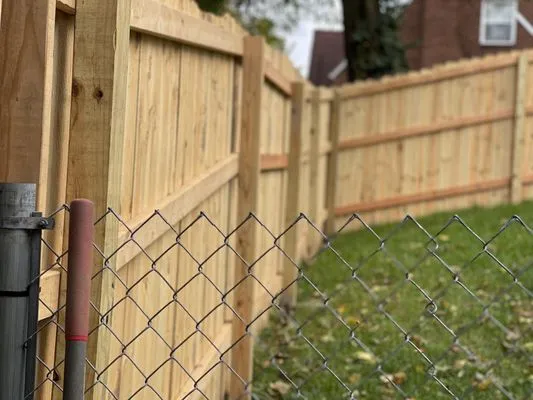
J & B Landscaping is a dedicated Pittsburgh lawn care company helping local homeowners achieve healthy, beautiful outdoor spaces. We understand the common frustrations of lawn fungus and unsightly bar...

Cavacini Landscaping & Garden Center
Cavacini Landscaping & Garden Center is a family-owned Pittsburgh business established in 2009, operating as a master nursery garden center in Lawrenceville. As part of a national organization, they l...
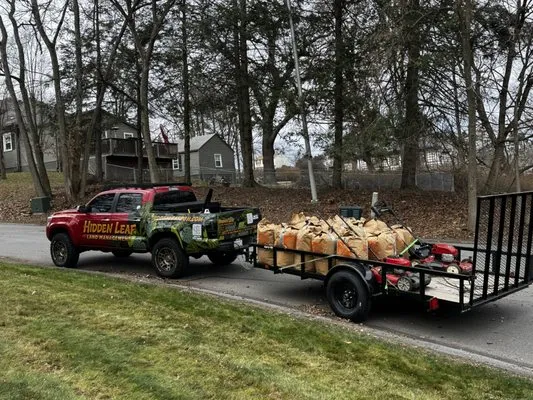
Hidden Leaf Land Management is your local partner for a healthy, well-maintained property in Elizabeth and the surrounding areas. We provide dependable, sustainable care, from routine lawn mowing and ...
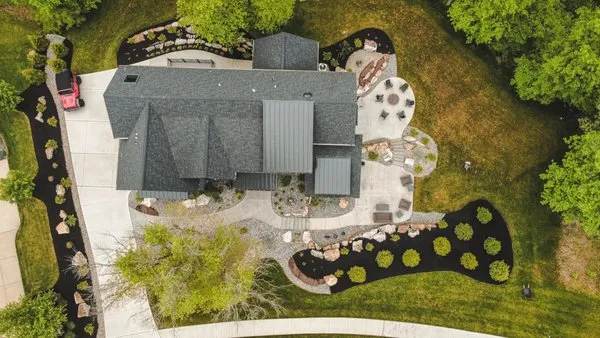
Yard Chefs serves Gibsonia and the greater Pittsburgh area with personalized landscaping and tree care. Our approach is rooted in understanding each client's unique vision for their outdoor space, whe...
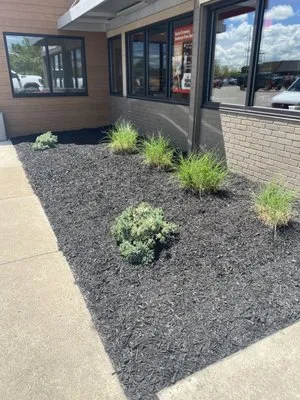
R & G Quality Landscaping
R & G Quality Landscaping is your trusted local partner for transforming and maintaining outdoor spaces in Aliquippa and the surrounding Beaver County area. We specialize in creating healthy, beautifu...
Roscoe's Maintenance Service is a family-owned and operated business deeply rooted in the Glenshaw community. Founded and run by the Jones family—Allen Roscoe Jones, Allen Jake Jones, and Gregory Vinc...
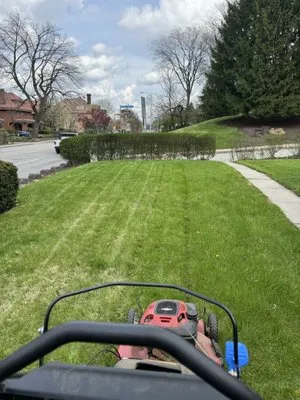
Mafias Lawn Care and Snow Removal is a trusted local provider in Pittsburgh, PA, specializing in comprehensive lawn care and snow removal services. We help Pittsburgh homeowners tackle common landscap...
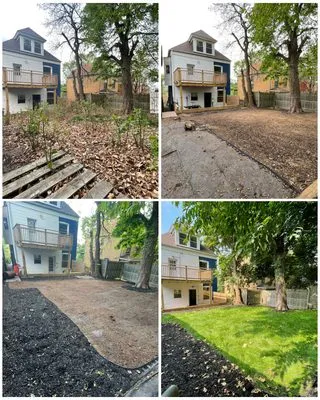
Quality Care Landscaping is a trusted Pittsburgh-based company specializing in comprehensive landscaping, gutter services, and pressure washing. We help local homeowners address common issues like soi...
Estimated Landscaping Service Costs in Armstrong, PA
FAQs
Why does my soil seem so heavy and hard to work with in Kittanning Borough?
Homes built in 1964, like many in the Kittanning Borough Historic District, sit on soil that has matured for over 60 years. In this area, the native acidic silty clay loam has undergone significant compaction from decades of foot traffic, equipment, and the inherent properties of clay. This reduces soil percolation and oxygen availability for roots. Correcting this requires core aeration and incorporating organic compost to rebuild soil structure and improve permeability.
Can a smart irrigation system really save water and keep my lawn healthy?
Yes. Wi-Fi weather-based controllers use real-time evapotranspiration (ET) data to adjust watering schedules dynamically. This technology applies water only when your Kentucky Bluegrass and Tall Fescue blend actually needs it, preventing overwatering that exacerbates clay compaction. It is the most effective tool for maintaining turf health within standard conservation guidelines, often reducing potable water use by 20-30%.
What should I do about invasive vines overtaking my shrubs?
Common invasives like English Ivy or Japanese Honeysuckle must be managed with precise timing and method. Manual removal is often first, followed by careful, targeted herbicide application only to the invasive plant tissue. This approach minimizes ecosystem impact and strictly adheres to the Pennsylvania Fertilizer Act, which governs all nutrient and pesticide applications. We avoid treatments during blackout dates to protect local waterways.
My yard stays soggy for days. What's the solution for this clay soil?
Seasonal saturation is a direct result of the low permeability in acidic silty clay loam. The primary solution is installing subsurface drainage, such as French drains, to intercept groundwater. For new patios or walkways, specifying permeable base installations with Pennsylvania Bluestone can meet Armstrong County runoff standards by allowing water to infiltrate rather than sheet flow across the compacted surface.
What permits and licenses are needed to regrade my backyard?
Significant grading on a 0.22-acre lot often requires an erosion and sedimentation control plan approved by the Armstrong County Planning & Development office. Furthermore, any contractor applying soil amendments or pesticides must hold appropriate licensing through the Pennsylvania Department of Agriculture. This ensures the work complies with state nutrient management standards and protects adjacent properties and watersheds from improper runoff.
Is Pennsylvania Bluestone a better choice than wood for a new patio?
For durability and longevity in this climate, Pennsylvania Bluestone is superior. It is a natural stone with high compressive strength, resistant to freeze-thaw cycles and does not rot or attract insects. From a Fire Wise perspective, its non-combustible nature contributes to defensible space in this Moderate Wildland-Urban Interface rating zone, unlike wooden decks which represent a continuous fuel source.
How quickly can you respond to an emergency tree cleanup after a storm?
Our dispatch, coordinated from near the Armstrong County Courthouse, prioritizes emergency calls. A crew can be routed via PA-28 to reach most properties within Kittanning Borough in 20 to 30 minutes during peak response times. We maintain electric chainsaws and chippers to comply with noise ordinances, allowing us to begin work immediately upon arrival without violating quiet hour restrictions.
Is there a lower-maintenance alternative to my weekly-mowed lawn?
Replacing high-input turf with a native plant community is a forward-looking strategy. Species like Eastern Redbud, Swamp Milkweed, Wild Bergamot, and New England Aster are adapted to Zone 6a and require no weekly mowing or gas-powered edging. This transition reduces water use, eliminates fertilizer needs, and creates a landscape resilient to both drought and seasonal saturation, while pre-emptively adhering to evolving noise and emissions ordinances.
