Top Landscaping Services in Annville, PA, 17003 | Compare & Call
There are 137 landscaping companies server in Annville PA
Eckenrode Landscape Services
Eckenrode Landscape Services is a licensed, fully insured, and family-owned landscaping company serving Annville, Pennsylvania, and the surrounding areas. With over two decades of experience, we speci...
My Family Mowing Services is a locally owned and operated lawn care business serving Elizabethtown, PA. We specialize in comprehensive lawn maintenance, including regular mowing, trimming, and edging ...

Integrity Land Works
I'm Gavin Witmeyer, owner of Integrity Land Works in Lebanon, PA. With over a decade of experience, my passion lies in designing and building entire properties, transforming outdoor spaces into beauti...
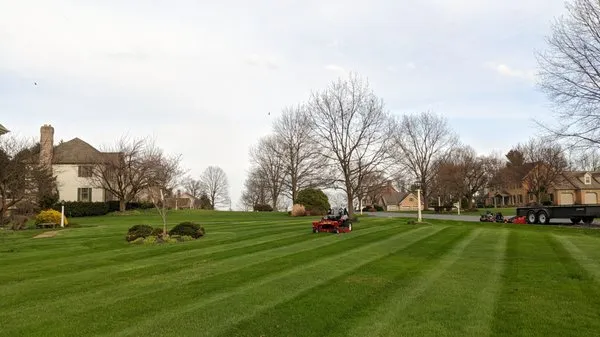
Precise Landscaping LLC in Myerstown, PA, is a locally owned and operated business dedicated to providing quality, affordable landscaping services to homeowners in the area. We specialize in comprehen...
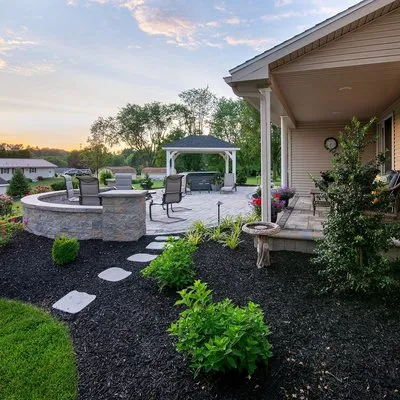
DS Lawn is your trusted local partner for a healthy, beautiful property in Lebanon, PA. As a locally owned and operated company, we bring reliable, straightforward service to homeowners in Lebanon, An...
Hi, I'm Jose, owner and founder of New Horizon Lawn Care & Landscaping Services LLC. I'm originally from Lebanon, PA, and I launched this business in Pittsburgh in April 2022 to serve the local commun...
Horizon Outdoors is a trusted landscaping, snow removal, and irrigation company serving Annville, PA, and surrounding Dauphin and Lebanon County communities. We specialize in creating and maintaining ...
Estimated Landscaping Service Costs in Annville, PA
FAQs
A major storm damaged several trees, and our HOA requires immediate cleanup. What is your emergency response time?
Our standard emergency dispatch protocol is 20-30 minutes from initial call during peak hours. Crews are staged near Lebanon Valley College and utilize US-422 for direct access to the Annville Historic District. We coordinate directly with HOA representatives to ensure compliance with all landscape debris and safety ordinances. All service vehicles are equipped for immediate storm-response work.
Our yard has areas of seasonal standing water and moderate runoff. What are the best long-term solutions?
Seasonal saturation is common in the compacted Edom-Urban Land Complex soils here. Solutions focus on improving permeability. Installing subsurface French drains connected to dry wells can capture and redirect water. For hardscape areas, using permeable base materials beneath Pennsylvania Bluestone pavers allows infiltration, reducing runoff volume to meet Annville Township's stormwater standards. Grading to create gentle swales away from the foundation is also critical.
We've spotted what looks like Japanese Knotweed. How is this handled safely and legally?
Japanese Knotweed is a regulated invasive species requiring professional management. Treatment involves targeted, licensed application of herbicides, strictly following the Pennsylvania Nutrient Management Act. This law dictates professional applicator standards, including specific products, rates, and seasonal blackout dates to protect waterways. A licensed professional will develop a multi-year eradication plan, as improper treatment can worsen the infestation.
Our lawn in the Annville Historic District seems thin and struggles to absorb water. Is this common for homes built around the 1950s?
Yes, this is a predictable soil condition. Your property, like many in this neighborhood built in 1953, sits on an Edom-Urban Land Complex. After 73 years of development and standard lawn care, the soil profile has become compacted and depleted of organic matter, resulting in poor permeability. Its pH of 6.2-6.8 is suitable, but the structure lacks pore space for root growth and water percolation. Core aeration followed by a top-dressing of compost is the foundational correction needed to rebuild a healthy soil biome.
We're tired of weekly mowing and gas-blower noise. Are there quieter, lower-maintenance landscape options?
Absolutely. Transitioning high-maintenance turf areas to a xeriscape or native planting bed is a forward-looking strategy. Using plants like Switchgrass, Common Milkweed, and New England Aster creates a resilient, low-water habitat that requires no mowing and minimal seasonal care. This reduces dependency on gas-powered equipment, aligning with Annville's noise ordinance trends and supporting 2026 biodiversity targets. Electric maintenance tools can then handle the remaining tasks quietly.
We're considering a new patio. How does Pennsylvania Bluestone compare to wood decking for longevity and safety?
Pennsylvania Bluestone offers superior longevity with minimal maintenance compared to wood, which requires regular sealing and is susceptible to rot. As a non-combustible material, bluestone also contributes to a higher Fire Wise rating for defensible space, a consideration even in Annville's low-risk urban density. Its durability and permeability when installed correctly make it a permanent, ecologically sound hardscape solution.
We want to regrade our backyard for better drainage. What permits and contractor qualifications are required?
Significant regrading on a 0.22-acre lot typically requires an Earth Disturbance Permit from the Annville Township Zoning & Planning Office to ensure compliance with erosion and sediment control plans. The contractor must hold appropriate licensing, including a Pesticide Applicator License from the Pennsylvania Department of Agriculture if any soil treatments are involved. Always verify these credentials, as improper grading can create drainage liabilities for you and neighboring properties.
We want a green lawn but need to follow Annville's water conservation advice. How does modern irrigation technology help?
Modern systems utilize Wi-Fi ET-based weather sensing to apply water precisely. This technology calculates real-time evapotranspiration rates, adjusting schedules to deliver only the water your Kentucky Bluegrass and Tall Fescue blend actually needs, often reducing usage by 20-40%. It automatically bypasses cycles during rainfall, preventing runoff and adhering to voluntary conservation standards. This approach maintains turf health while respecting municipal water resources.
