Top Landscaping Services in Amwell, PA, 15301 | Compare & Call
There are 176 landscaping companies server in Amwell PA
Absolute Lawncare is a trusted Pittsburgh-based landscaping company serving homeowners across Allegheny County. We specialize in comprehensive outdoor solutions including gardening, landscape maintena...
Veights Lawn & Home Services is a trusted, locally-owned provider helping Pittsburgh homeowners achieve a healthy, vibrant yard. We understand the common local challenges of patchy, thinning grass and...
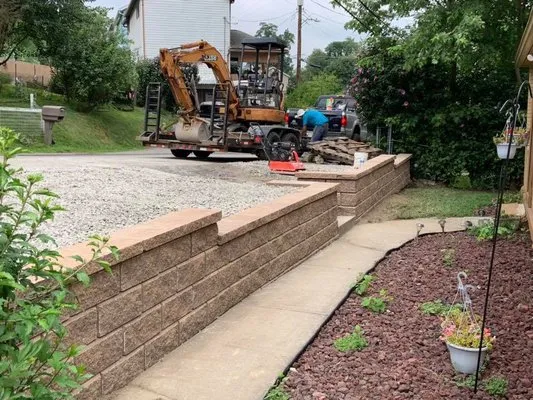
P&l excavation and landscaping
P&L Excavation and Landscaping is a full-service contractor serving Scenery Hill, PA, specializing in excavation, landscaping, and masonry/concrete work. We help homeowners and businesses transform th...
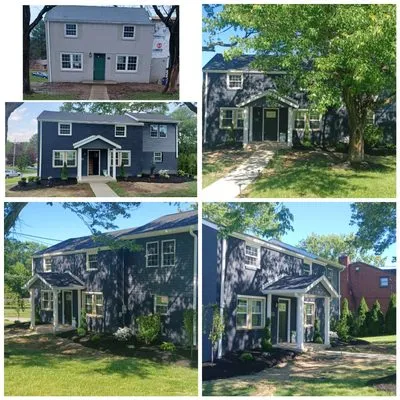
Dub Town Mows is a family-owned landscaping, snow removal, and tree service business serving Brownsville, PA. Founded in 2018 by a local couple after job instability in the oil fields, they turned the...
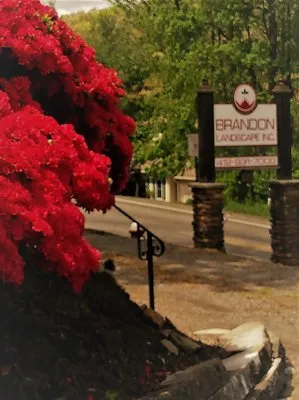
Brandon Landscape
For over 35 years, Brandon Landscape has been a trusted partner for Pittsburgh homeowners, transforming outdoor spaces into lasting, functional environments. As a dedicated design-build firm, we guide...
Revival Landscaping
Revival Landscaping is a Pittsburgh-owned and operated landscaping company serving the 15237 zip code and the greater metro area since 2018. We are a fully insured small business built on the principl...
Jr's Lawn & Tree has been a trusted provider of comprehensive outdoor services in Sewickley, PA, and the surrounding Allegheny, Beaver, and Butler Counties for over 25 years. We specialize in tree rem...
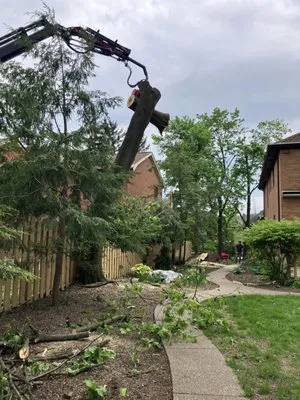
Keystone Tree Techs is a licensed and insured arborist service founded in 2006 by Michael Cashdollar, a USMC veteran and ISA certified arborist. With over 20 years of experience in tree care and lands...
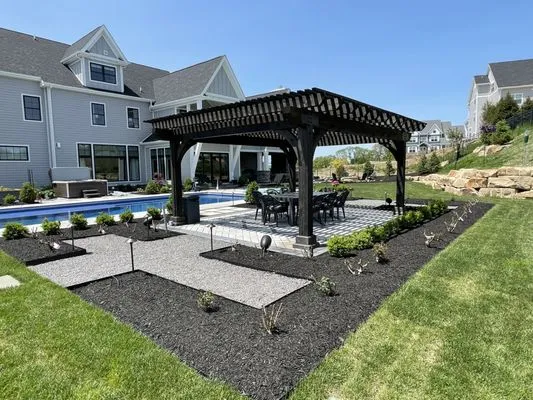
Living Spaces Outdoor Design is a Cranberry Township-based landscape firm founded in 2015, dedicated to planning and implementing comprehensive, custom outdoor solutions. We specialize in transforming...
Nelly's Green Thumb Landscaping is a dedicated, locally-owned landscaping company serving Cranberry Township and the surrounding communities. With a deep understanding of Western Pennsylvania's unique...
Estimated Landscaping Service Costs in Amwell, PA
Question Answers
What invasive species should I watch for, and how are they treated?
Common invasive alerts in this region include Japanese Knotweed and Mile-a-Minute Vine. Treatment involves targeted, professional-grade herbicide applications timed for the plant's active growth phase, typically in late spring. All applications are performed by a licensed professional in strict compliance with the Pennsylvania Nutrient Management Act, which regulates timing and rates to protect local watersheds.
How quickly can you respond to an urgent HOA compliance or storm damage cleanup?
For emergency response, our electric maintenance fleet is dispatched from the Amwell Township Municipal Building area. The primary route uses I-79 for efficient access to the Amwell Township Residential District. During peak conditions, our target arrival window is 25-35 minutes, allowing us to address debris or compliance issues while adhering to standard quiet hours that begin at 7:00 AM.
My yard holds water after rain. What's a long-term solution?
Moderate runoff is typical here due to the dense, clay-heavy subsoil underlying acidic silt loam. Effective solutions include installing French drains or dry creek beds to intercept subsurface water. For new hardscapes, specifying permeable base installations with Pennsylvania Bluestone can significantly increase ground infiltration, helping projects meet the Amwell Township Zoning & Planning Department's stormwater management standards.
Is Pennsylvania Bluestone a good choice for patios and walkways?
Pennsylvania Bluestone offers superior longevity and lower lifetime maintenance compared to wood or composite materials. Its natural density provides excellent durability against freeze-thaw cycles in Zone 6b. For properties concerned with fire safety, its non-combustible nature contributes to defensible space, though Amwell Township currently maintains a standard Low Fire Wise rating for residential compliance.
What permits or licenses are needed for major landscaping work on my property?
Significant grading, drainage alteration, or retaining wall construction on a 0.55-acre lot typically requires a permit from the Amwell Township Zoning & Planning Department. The contractor must hold appropriate licensing through the Pennsylvania Department of Agriculture's Pesticide/Landscape Branch for any chemical applications. This ensures all work meets state nutrient management and erosion control statutes, protecting your property investment.
How can I keep my lawn green without wasting water?
Voluntary water conservation in Amwell makes Wi-Fi, ET-based weather-sensing irrigation essential. This technology automatically adjusts runtime by calculating daily evapotranspiration rates, applying water only as needed. For the common Kentucky Bluegrass and Tall Fescue blend, this system promotes deeper root growth by watering infrequently but deeply, often preserving turf health while reducing total municipal water use by 20-30%.
What are lower-maintenance alternatives to a traditional grass lawn?
Transitioning high-input turf areas to a native plant community is a forward-looking strategy. Species like Purple Coneflower, Switchgrass, and Wild Bergamot are adapted to Zone 6b's climate and acidic soils, requiring no fertilization and minimal watering once established. This xeriscaping approach also aligns with evolving municipal noise ordinances by eliminating the need for gas-powered blowers and frequent mowing.
Why is my soil so compacted, and what can I do about it?
Most residential lots in Amwell Township were developed around 1971, giving the soil a 55-year maturity period. The original acidic silt loam topsoil has been repeatedly compressed by construction and maintenance, creating a clay-heavy, dense subsoil with low permeability. Core aeration each fall is critical to relieve this compaction, followed by incorporating 1/4 inch of compost to rebuild organic matter and improve soil structure for healthier root systems.
