Top Landscaping Services in Allison Park, PA, 15044 | Compare & Call

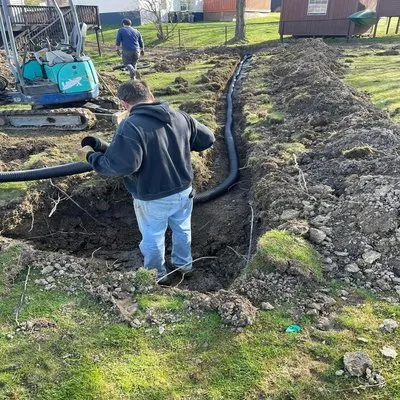
JCM Landscaping, serving Allison Park and surrounding communities, is a locally-owned and operated company that specializes in transforming outdoor spaces. We focus on foundational and structural proj...
At Brett Bittner Landscaping LLC in Allison Park, PA, we focus on the foundational elements that make outdoor spaces both beautiful and functional. Our work begins below the surface, providing expert ...
LMS Greenhouse and Nursery
At LMS Greenhouse and Nursery in Allison Park, we’re a family-owned landscape company and garden center rooted in local soil and family tradition. What started with two brothers, a pickup truck, and a...

TruGreen Lawn Care in Allison Park, PA, is a local provider of comprehensive lawn and tree care services, backed by scientific expertise and tailored solutions. Serving both residential and commercial...
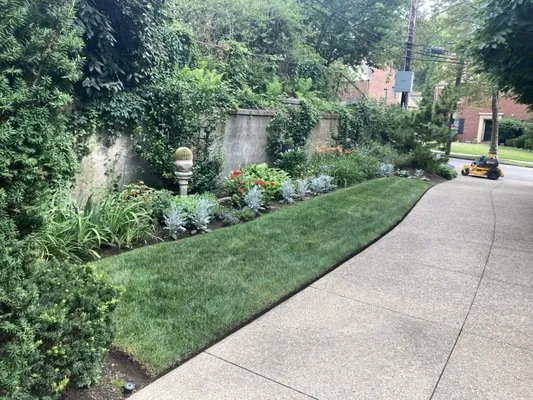
North & South Landscape is a licensed landscaping company in Allison Park, PA, founded by Matthew Irvin and Peter Iaquinta. We specialize in comprehensive landscape services, from design to maintenanc...
T&L Landscaping is a full-service landscaping company serving Allison Park and the surrounding North Hills area. We specialize in transforming outdoor spaces through professional design, construction,...
Keystone Outdoor Contracting is a locally owned and operated outdoor contracting business serving Allison Park, PA, and the greater Pittsburgh area, including communities like New Kensington and Sewic...
AAA Lawn & Pool Service LLC is a locally owned and operated one-person business in Allison Park, PA, specializing in comprehensive lawn care and pool maintenance. As the sole owner-operator, I persona...

Stayduhar is a landscape contractor based in Allison Park, PA, specializing in residential landscaping and excavation services throughout the Pittsburgh area. Established in 2019, we provide a compreh...

McIntyre Landscaping is a full-service landscaping company serving Allison Park, PA, specializing in landscaping, snow removal, and junk removal. We help local homeowners maintain beautiful, functiona...
Frequently Asked Questions
Should I worry about watering my lawn with current water restrictions?
Allison Park is in Stage 0, but proactive conservation is key for long-term turf health. Smart Wi-Fi soil moisture sensing controllers optimize irrigation by applying water only when the root zone needs it, based on local evapotranspiration (ET) data. This technology prevents overwatering, which exacerbates runoff on compacted clay subsoils. Properly managed, these systems maintain Kentucky Bluegrass and Tall Fescue blends while significantly reducing municipal water use.
I have an urgent HOA notice for overgrowth; how quickly can a crew arrive?
A compliance crew can typically be dispatched from the Hartwood Acres Park area, using PA-8 for direct access to Hampton Township neighborhoods. During peak periods, expect a 25-40 minute travel window for initial assessment. Emergency clean-up operations focus on immediate visual correction to meet standards, with a detailed remediation plan to follow. All equipment adheres to the local noise ordinance prohibiting operation between 9:00 PM and 7:00 AM.
Why does my lawn in Hampton Township look thin and stressed even with regular care?
Allison Park's 1973-era construction compressed the native acidic silt loam, creating a dense, poorly oxygenated root zone over 50 years. This compaction reduces soil percolation, limiting water and nutrient access for turfgrass. Core aeration and incorporating composted organic matter are critical to rebuild soil structure and microbial activity. Amending the pH toward neutral also improves nutrient availability for both lawn and landscape plants.
Is there a lower-maintenance alternative to my traditional grass lawn?
Transitioning high-input turf areas to a climate-adaptive xeriscape with native plants is a forward-looking strategy. A matrix of Switchgrass, Purple Coneflower, and Wild Bergamot provides seasonal interest, deep roots for soil stability, and critical habitat. This approach drastically reduces mowing, fueling, and watering demands. It also future-proofs your landscape against evolving noise ordinances targeting gas-powered blowers and mowers, aligning with 2026 biodiversity and sustainability goals.
What should I do about invasive weeds like Japanese Knotweed or Garlic Mustard?
Early identification and consistent management are crucial, as these species outcompete natives like Eastern Redbud and degrade soil health. Treatment plans must comply with the Pennsylvania Fertilizer Act, avoiding nutrient applications during blackout dates and using targeted, professional-grade methods. For severe infestations, a licensed pesticide applicator certified by the Pennsylvania Department of Agriculture can implement a safe, multi-year eradication strategy that protects the broader ecosystem.
What permits or credentials should I verify before hiring for a major grading project?
Any significant grading or earth-moving on a 0.45-acre lot likely requires a permit from the Hampton Township Building and Zoning Department to ensure compliance with stormwater and erosion control ordinances. The contractor should hold appropriate licensing, such as the Pesticide Applicator Certification from the Pennsylvania Department of Agriculture if herbicides are involved. Verifying this protects you from liability and ensures the work meets current technical standards for soil and water management.
Is Pennsylvania Bluestone a good choice for a new patio compared to composite or wood?
Pennsylvania Bluestone offers superior longevity and permeability compared to wood, which requires regular treatment and has a shorter lifespan in our freeze-thaw cycles. Its natural, non-combustible properties contribute to defensible space in areas with a Moderate Fire Wise rating, an increasing consideration in landscape planning. When installed with a proper permeable base, bluestone also mitigates the local drainage hazard by allowing water infiltration, unlike solid concrete slabs.
My yard collects water after every rain. What's the best long-term solution?
This is a common issue in Hampton Township due to clay-heavy subsoil compaction beneath the silt loam, which creates high surface runoff. Solutions begin with subsoil fracturing or installing French drains to improve permeability. For new hardscapes, specifying permeable base installations under Pennsylvania Bluestone patios or walkways can meet Hampton Township's runoff management standards. Integrating a rain garden with species like Swamp Milkweed also captures and filters stormwater.
