Top Landscaping Services in Abbottstown, PA, 17301 | Compare & Call

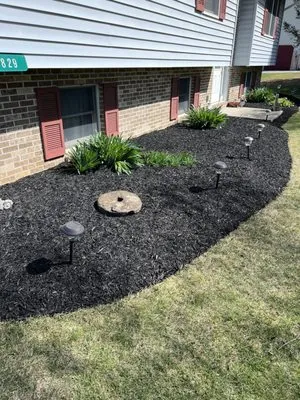
ALA Lawn Care is a locally-owned lawn service in Abbottstown, PA, dedicated to maintaining and enhancing outdoor spaces for both residential and commercial properties. We provide comprehensive lawn ca...

Speros Outdoor Services
Speros Outdoor Services is a trusted local provider in Abbottstown, PA, specializing in comprehensive tree care, lawn maintenance, and landscape design. Our team includes certified arborists and exper...
Sunny Day Lawn and Landscape is your trusted, locally-owned lawn care expert serving Abbottstown and the surrounding areas. We understand the unique challenges homeowners in our community face, such a...
Whitey's Landscaping is a trusted Abbottstown, PA-based company specializing in landscaping, tree services, and fences & gates. Serving the local community, we help homeowners tackle common issues lik...
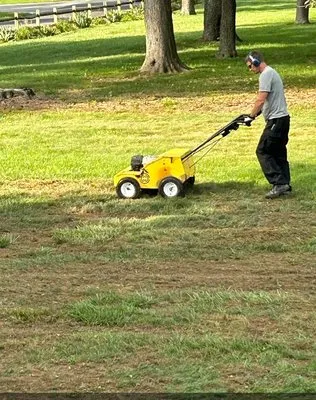
Lawn Enforcement is a family-owned lawn service business based in Abbottstown, Pennsylvania, serving the Susquehanna Valley area. We specialize in comprehensive lawn care solutions including treatment...
Q&A
What solutions exist for seasonal saturation in low-lying areas of my property?
Duffield Silt Loam's moderate runoff characteristics require integrated drainage strategies beginning with French drains or dry wells in problem areas. Permeable Pennsylvania Blue Flagstone installations in walkways and patios allow 40-50% of rainfall to infiltrate directly, reducing surface water accumulation. These solutions meet Abbottstown Borough Zoning & Planning Department runoff standards while addressing the soil's seasonal saturation tendencies. Combining subsurface drainage with permeable hardscapes creates a comprehensive water management system for 0.25-acre lots.
Why does my Abbottstown Borough Center lawn struggle with compaction and poor drainage?
Properties built around 1975 have approximately 51 years of soil development, which in Duffield Silt Loam typically results in significant compaction from decades of foot traffic and maintenance equipment. This silt loam's natural permeability decreases over time, creating dense layers that restrict root growth and water infiltration. Core aeration every 1-2 years combined with organic amendments like composted leaf mold addresses this by improving soil structure and microbial activity. The neighborhood's uniform soil profile means most lots benefit from similar remediation approaches to restore proper soil function.
What alternatives exist for reducing lawn maintenance while preparing for potential equipment restrictions?
Replacing high-maintenance turf areas with native plantings like Eastern Redbud, Butterfly Milkweed, New England Aster, and Switchgrass creates resilient landscapes requiring minimal inputs. These species thrive in USDA Zone 6b conditions with established root systems that access deeper soil moisture, reducing irrigation needs by 60-80%. Transitioning to electric maintenance equipment now positions properties ahead of potential gas-blower restrictions while supporting 2026 biodiversity standards. Native plant communities also provide essential habitat for pollinators and require significantly less seasonal maintenance than traditional turf.
How do I maintain my Kentucky Bluegrass and Tall Fescue blend during voluntary water conservation periods?
Wi-Fi ET-based weather sensing controllers automatically adjust irrigation schedules using real-time evapotranspiration data from local weather stations. These systems reduce water application by 20-30% compared to traditional timers while maintaining turf health through precise moisture delivery. During normal conservation periods, we program deeper, less frequent watering cycles that encourage deeper root growth and drought tolerance. This approach keeps your lawn within municipal water guidelines while preserving the cool-season grass blend's appearance and function.
How should I address invasive species like Japanese Knotweed without violating local regulations?
Japanese Knotweed and other invasive species require targeted treatment approaches that comply with Pennsylvania Department of Agriculture pesticide applicator licensing requirements. Professional applications must follow PA Nutrient Management Act guidelines regarding timing and product selection to prevent groundwater contamination. We implement integrated pest management strategies beginning with mechanical removal followed by selective herbicide applications during approved windows. These methods effectively control invasives while maintaining compliance with all local ordinances and environmental protections.
Why choose Pennsylvania Blue Flagstone over wood for patio installations in our area?
Pennsylvania Blue Flagstone offers superior longevity with minimal maintenance compared to wood alternatives that require regular sealing and replacement in our climate. The stone's natural thermal mass moderates temperature extremes while its non-combustible properties support Low Fire Wise ratings in urban-suburban interface zones. Properly installed flagstone creates defensible space around structures without contributing to fire spread risk. This native material also integrates aesthetically with local architecture while providing permanent, stable surfaces that withstand freeze-thaw cycles characteristic of USDA Zone 6b.
How quickly can you respond to an emergency tree cleanup after a storm in Abbottstown?
Our storm response team can typically reach Abbottstown Borough Center within 25-35 minutes during peak conditions. We dispatch from Abbottstown Square at the PA-194 and US-30 intersection, traveling east on US-30 (Lincoln Highway) directly into residential areas. This routing avoids secondary road congestion while maintaining compliance with standard noise ordinances for gas-powered equipment. Emergency protocols prioritize safety assessments before beginning cleanup operations on affected properties.
What permits and licenses are required for significant landscape renovations on my property?
Grading work exceeding 500 square feet on a 0.25-acre lot requires an erosion and sediment control permit from Abbottstown Borough Zoning & Planning Department. Pennsylvania Department of Agriculture licensing is mandatory for any pesticide application, including herbicides for invasive species control. Drainage modifications affecting more than 1,000 square feet may trigger additional stormwater management reviews under local ordinances. Professional landscape contractors must maintain appropriate business licensing and insurance coverage to perform structural work on residential properties in compliance with all state and municipal regulations.
