Top Landscaping Services in Wood Village, OR, 97060 | Compare & Call
There are 150 landscaping companies server in Wood Village OR
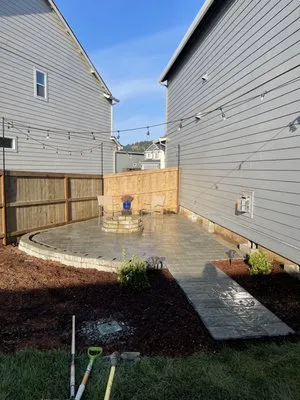
Marco Joaquin Landscaping is a trusted local landscaping company serving Wood Village, Oregon, with comprehensive care for your outdoor spaces. We specialize in landscape maintenance, lawn care, and e...
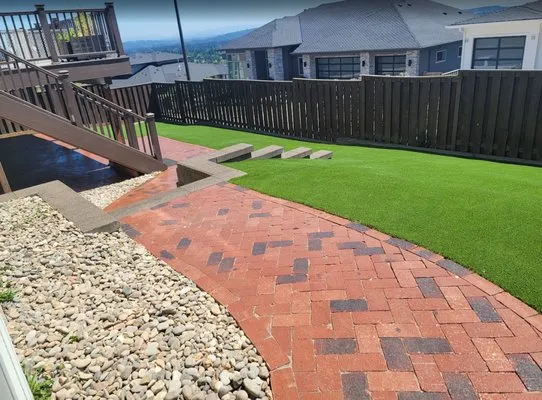
Greenwood Landscape is a family-owned landscaping company serving Woodburn, OR, and the surrounding Portland Metro Area. With over 18 years of experience, they specialize in comprehensive landscape so...
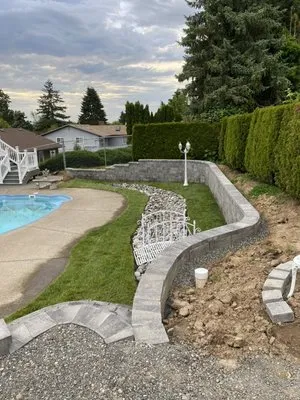
Rios Landworks & Construction
Rios Landworks & Construction has been serving Fairview, OR, and the surrounding areas for over 15 years, providing reliable landscaping, masonry, and irrigation services. As a licensed, bonded, and i...
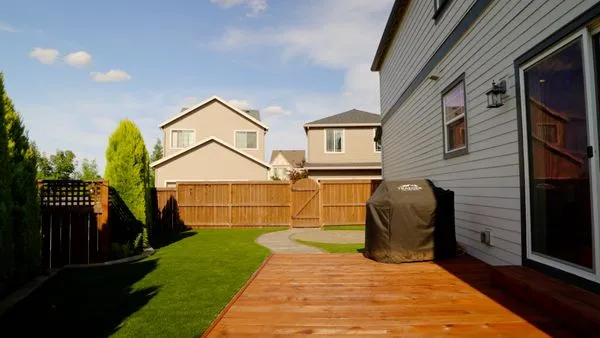
Rubi Landscape is a licensed, bonded, and insured landscaping and hardscaping company serving Woodburn, OR, and surrounding areas including Clackamas, Multnomah, Washington, and Marion counties. Estab...
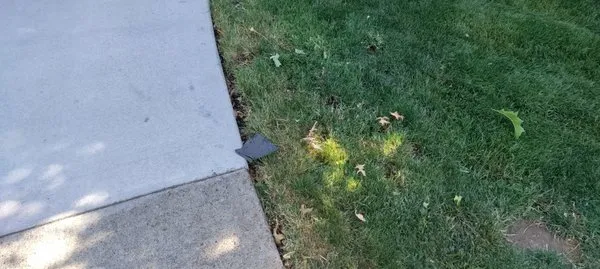
Landscape East & West
I was born and raised in Florence, Oregon, and after a successful corporate career, I followed my passion for the outdoors and purchased Landscape East & West in 2007. My goal is to combine great cust...
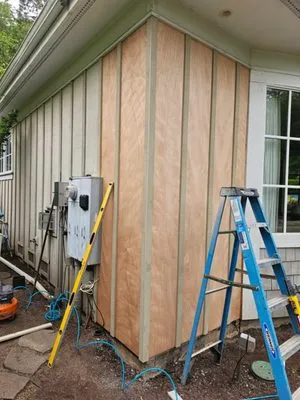
Country Landscapes & Construction is a Portland-based landscaping and general contracting company dedicated to transforming outdoor spaces with quality craftsmanship and reliable service. Specializing...
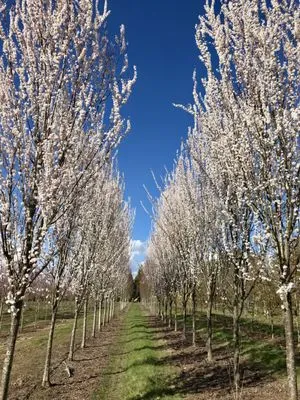
Big Trees Today, a family-owned nursery in Hillsboro, specializes in providing immediate impact for your landscape. With over 40 years of experience, our team focuses on growing, selling, and planting...
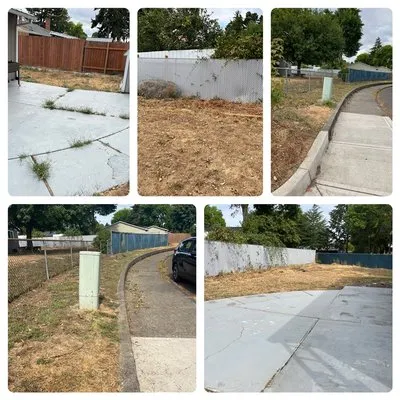
Pressure Junkiez is your Portland neighbor for reliable property upkeep, offering a practical blend of pressure washing, lawn care, and TV mounting services. We handle the unique challenges of the Pac...
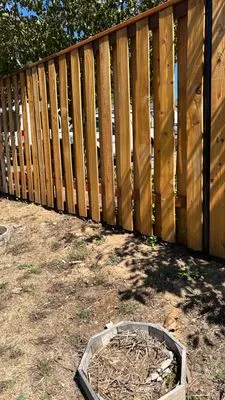
Universe Landscape is a Milwaukie-based landscaping company dedicated to transforming outdoor spaces with practical, sustainable solutions. We specialize in artificial turf systems, masonry work, and ...
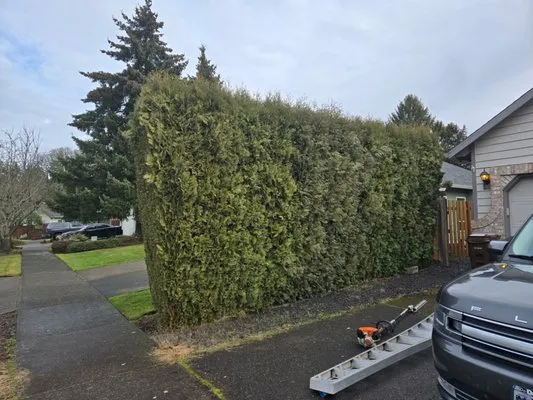
Ace Green Garden & Home is a Portland-based landscaping and pressure washing service founded by Juan Aceituno, who brings over 13 years of hands-on experience to every project. Specializing in compreh...
Estimated Landscaping Service Costs in Wood Village, OR
Q&A
What should we verify before hiring someone to regrade our 0.19-acre lot?
Always confirm an active license with the Oregon Landscape Contractors Board (OLCB). Grading that alters water flow or involves significant cut/fill often requires a permit from the City of Wood Village Planning Department. On a 0.19-acre lot, improper grading can create off-site drainage liabilities. OLCB-licensed contractors carry required bonding and insurance to protect homeowners from such risks.
Our yard holds water for days after a storm. What's the best long-term fix?
Seasonal high water tables and poor infiltration are common challenges in silty loam soils. The solution integrates subsurface French drains with surface grading to direct water away from foundations. Using permeable materials like crushed aggregate for patios or walkways increases ground absorption. These strategies help manage runoff to meet City of Wood Village Planning Department standards for on-site water management.
Is a basalt paver patio a good choice for our backyard? How does it compare to wood?
Basalt pavers offer superior longevity and minimal maintenance compared to wood, which requires regular sealing and decays over time. Their non-combustible nature contributes to defensible space, a consideration in Wood Village's Moderate Fire Wise rating zone. When installed with permeable jointing sand, basalt and aggregate systems also aid drainage, outperforming solid concrete in our high water table environment.
We have urgent HOA compliance needs. How quickly can a crew address overgrowth?
For emergency cleanup, our dispatch from the Wood Village Baptist Church allows for rapid access to I-84. This routing enables a 20-30 minute peak response to most Residential Core addresses. We coordinate arrival within the 7:00 AM to 9:00 PM noise ordinance window, utilizing our electric maintenance fleet to meet decibel limits while performing necessary trimming and debris removal.
Our yard feels compacted and lifeless. Is this typical for older Wood Village homes?
Given the average 1978 construction date, your soil has had 48 years to settle. The prevalent silty loam in the Wood Village Residential Core naturally compacts over time, reducing pore space and impeding root growth. This compaction exacerbates the area's poor infiltration issues. A core aeration program combined with top-dressing compost is essential to rebuild soil structure and increase permeability for healthy plant establishment.
We want to reduce mowing and blower noise. What's a climate-adapted alternative?
Transitioning high-maintenance turf to a xeriscape anchored by natives like Douglas Spirea, Red-flowering Currant, and Salal significantly reduces weekly mowing and gas-powered leaf blowing. These plants are adapted to Zone 8b conditions, requiring minimal summer water once established. This shift pre-emptively aligns with evolving noise ordinances targeting gas equipment and supports 2026 biodiversity standards for urban interfaces.
How do we keep our Tall Fescue/Kentucky Bluegrass blend healthy under Stage 1 water restrictions?
Smart Wi-Fi controllers with ET-based weather sensing are the operational standard. These systems calibrate runtime to actual evapotranspiration rates, applying water only when the turf blend requires it and skipping cycles after rain. This precise management maintains turf health while adhering to voluntary conservation goals, often reducing total water use by 20-30% compared to traditional timer-based systems.
We've spotted invasive English Ivy and Himalayan Blackberry. How should we handle removal?
Manual removal of root crowns is most effective for these aggressive species. Any chemical treatment must follow Clean Water Services (CWS) Nutrient Management standards, which prohibit certain herbicide applications during seasonal blackout dates to protect watersheds. After eradication, replanting with dense native groundcovers like Western Sword Fern helps suppress reinvasion and stabilize soil.
