Top Landscaping Services in Stafford, OR, 97034 | Compare & Call
There are 199 landscaping companies server in Stafford OR

Junipers Landscape is a Tigard-based landscaping company dedicated to solving the common local issues of dead lawn patches and uneven sprinkler coverage. We provide targeted lawn care and irrigation s...

J&J Maintenance is a Portland-based landscaping company founded in 2023 by two friends who combined their passion for the outdoors with creative problem-solving. We specialize in transforming outdoor ...
Lubliner's Landscaping, Inc. is a Portland family-owned and operated business with deep roots in the community, serving local families and businesses since the 1960s. Incorporated in 1980, the company...
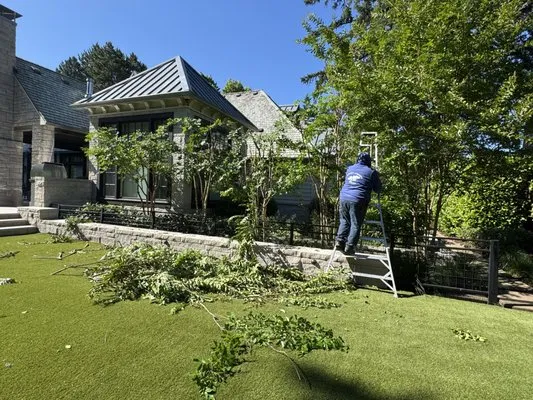
Grover's Landscape Services is a family-owned Oregon City business with 30 years of experience transforming outdoor spaces across the Pacific Northwest. We specialize in comprehensive landscape design...

GEM Rock and Landscaping is a Tualatin-based landscaping company dedicated to solving common local yard problems like lawn moss growth and mulch bed weeds. Serving homeowners throughout the Tualatin a...
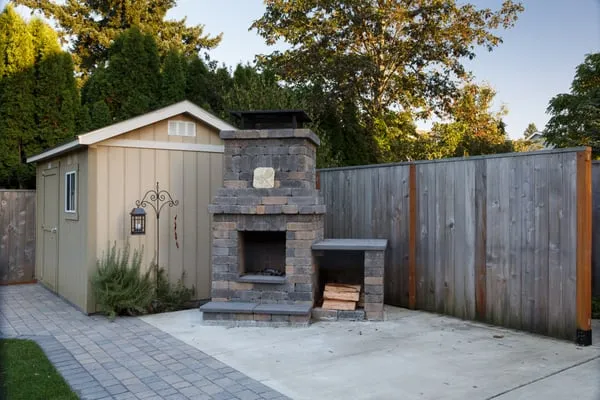
ProScape NW is a licensed, bonded, and insured landscaping company serving Milwaukie, OR, and the surrounding areas. We provide comprehensive year-round landscape maintenance, including lawn care, irr...
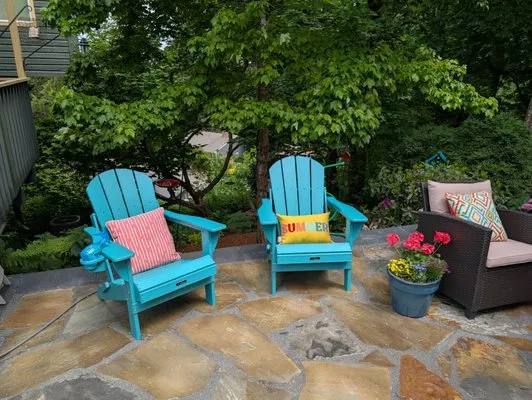
Superior Hardscape and Landscape is a Gladstone-based contractor specializing in comprehensive outdoor solutions for local homeowners. We address common landscaping challenges like landscape edging da...
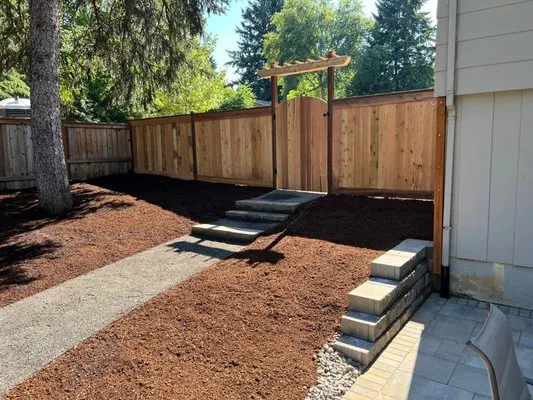
Terra-Sol Landscaping is a Portland-based company with deep roots in the Tualatin community, having served the greater Portland-Metro area since 1977. We specialize in comprehensive landscape design a...
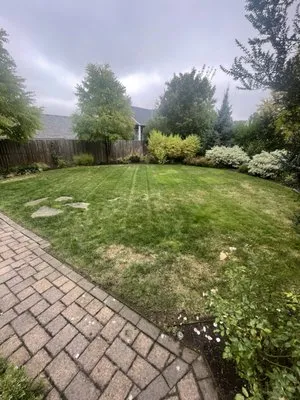
Clean The Yard Yard Care is a local landscaping service dedicated to maintaining the beauty and health of Oregon City properties. We understand the common challenges homeowners face, such as persisten...
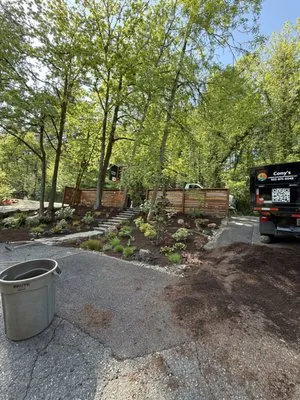
Cony's Landscape Maintenance is a family-owned and operated business serving Aurora, OR, and the surrounding metro area since 2009. Founded by a husband-and-wife team, we provide dependable landscapin...
Estimated Landscaping Service Costs in Stafford, OR
Q&A
I see a lot of invasive ivy and blackberry. How do I remove it safely?
English Ivy and Himalayan Blackberry are prevalent invasive species here that outcompete native plants. Effective removal involves cutting and carefully digging out root systems, followed by smothering with cardboard and mulch. For persistent regrowth, targeted, licensed herbicide application may be necessary. All follow-up fertilization must comply with the local ordinance prohibiting phosphorus unless a soil test confirms a deficiency, ensuring treatments don't contribute to waterway pollution.
Is basalt stone a better choice than wood for a new patio?
Basalt stone pavers offer superior longevity and require minimal maintenance compared to wood, which decays and requires sealing. In Stafford's Moderate Fire Wise rating (WUI Zone 2), non-combustible materials like stone are recommended for defensible space within 30 feet of structures. Basalt's durability and fire resistance make it a prudent, long-term investment for both aesthetics and safety in our climate.
How quickly can you respond to a downed tree limb blocking my driveway?
For emergency cleanup, our standard dispatch from the Stafford Schoolhouse area prioritizes I-205 access. During peak traffic, we plan for a 35 to 50-minute arrival window to your Stafford Estates property. We maintain dedicated storm response crews equipped to clear hazards and secure the site efficiently, ensuring compliance with any immediate safety or HOA requirements.
Why does my soil feel so compacted and heavy here in Stafford Estates?
Homes built around 1974, like many in Stafford Estates, have soils that have settled for over 50 years. The native Willamette Silt Loam, with its fine particles, is prone to compaction from decades of foot traffic and maintenance. This compaction reduces percolation, creating a dense layer that restricts root growth and water infiltration. Core aeration and incorporating compost are essential to rebuild soil structure and increase permeability for healthier plants.
What permits and credentials should I verify before hiring for a major grading project?
Any significant grading or earthwork on a 1.2-acre lot typically requires a permit from the Clackamas County Planning and Zoning Division. You must hire a contractor licensed by the Oregon Landscape Contractors Board (LCB), which ensures they carry bonding and insurance. The LCB license is mandatory for projects involving irrigation, drainage, and structural landscaping, providing legal recourse and guaranteeing work meets state-mandated standards.
What are some lower-maintenance alternatives to my traditional lawn?
Transitioning to a landscape featuring Oregon Grape, Douglas Spirea, Red-flowering Currant, and Western Columbine reduces water, fertilizer, and mowing demands. These native plants are adapted to local Zone 8b conditions and support regional biodiversity. This shift also future-proofs your property against potential tightening of noise ordinances that may restrict gas-powered blowers and mowers, moving you toward a quieter, electric-maintenance-ready landscape.
My yard stays soggy long after rain stops. What's the solution?
Seasonal high water tables and poor infiltration are common in Willamette Silt Loam. Correcting this requires improving site grading and installing subsurface drains like French drains to intercept groundwater. For new patios or walkways, using permeable basalt stone pavers set on a gravel base can significantly reduce surface runoff. These solutions help manage water on-site and often align with Clackamas County Planning and Zoning Division standards for stormwater management.
How can I keep my Tall Fescue lawn green during summer without wasting water?
Under Stage 1 voluntary restrictions, efficiency is key. Wi-Fi ET-based irrigation controllers use local weather station data to apply water only when evapotranspiration rates indicate need. This system automatically adjusts for rain and temperature, delivering precise amounts to the root zone. This method sustains Tall Fescue while typically reducing water use by 20-30% compared to traditional timer-based systems, staying well within municipal guidelines.
