Top Landscaping Services in Sheridan, OR, 97378 | Compare & Call

There are 129 landscaping companies server in Sheridan OR
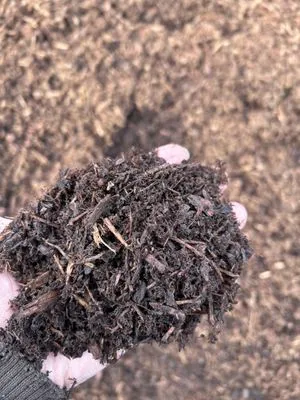
Two Guys Bark Blowing is a Dayton-based landscaping service specializing in bark blowing and mulch installation. With 25 years of experience, we focus exclusively on delivering and precisely placing m...
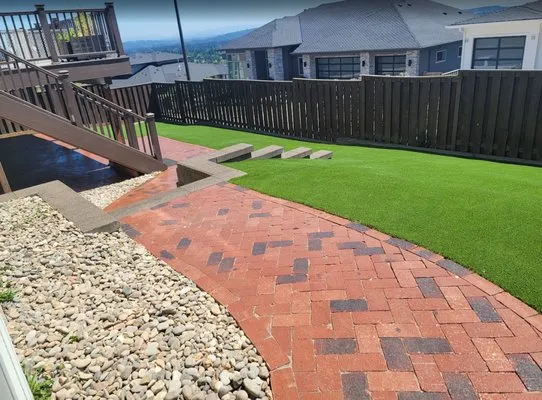
Greenwood Landscape is a family-owned landscaping company serving Woodburn, OR, and the surrounding Portland Metro Area. With over 18 years of experience, they specialize in comprehensive landscape so...
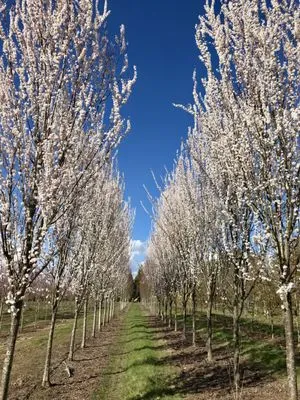
Big Trees Today, a family-owned nursery in Hillsboro, specializes in providing immediate impact for your landscape. With over 40 years of experience, our team focuses on growing, selling, and planting...
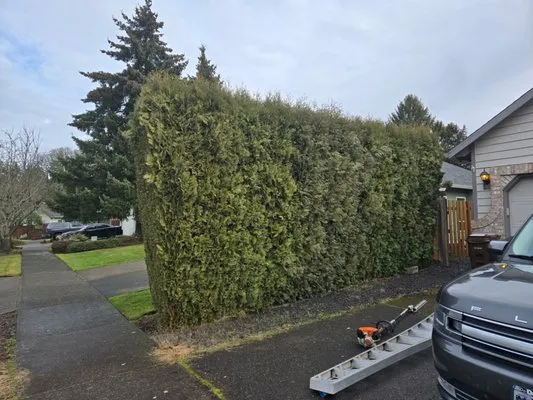
Ace Green Garden & Home is a Portland-based landscaping and pressure washing service founded by Juan Aceituno, who brings over 13 years of hands-on experience to every project. Specializing in compreh...
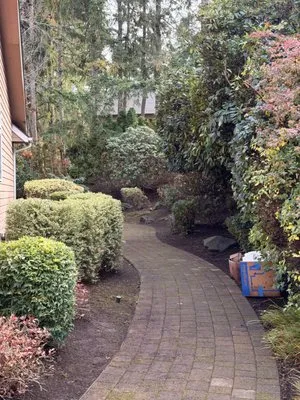
Synergy Landscape
Synergy Landscape is a Jefferson-based landscape maintenance company dedicated to transforming outdoor spaces with meticulous attention to detail. We serve both commercial and residential clients, han...

McKenzie's Landscape has been serving Wilsonville and the Mid-Willamette Valley since 1996, providing reliable landscaping and pressure washing services. Founded by owner Kevin McKenzie, who prefers w...
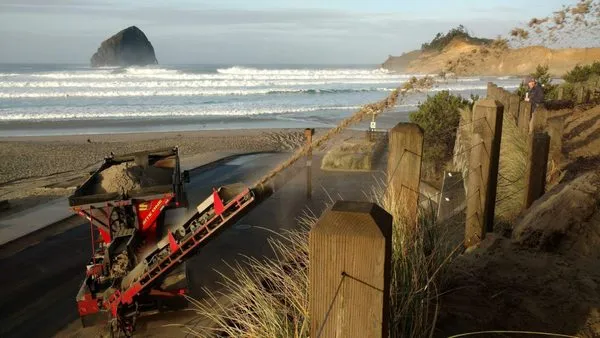
Site One Conveyor Truck Services is a Portland-based landscaping and building supplies company with over 20 years of experience serving the Pacific Northwest. Operating a fleet of 24 conveyor trucks, ...
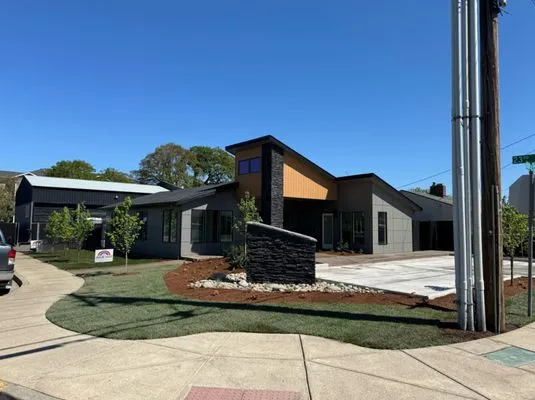
PremiumNW Landscape is a family-owned landscaping and tree service company serving Salem, Oregon, and the surrounding communities. We specialize in comprehensive outdoor solutions, from garden design ...
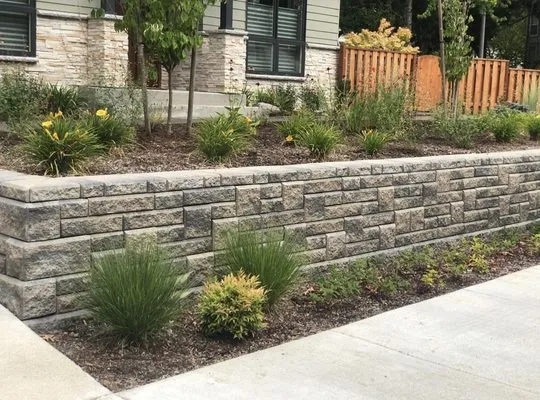
New Season Outdoor Living is a family-owned landscaping and hardscaping business serving Salem, OR, and the greater Portland metro area. With over 20 years of experience, we specialize in creating dur...
Junk Busters is a locally-owned Salem business founded by Lucas, who brings 4 years of professional experience from working with a Portland company. At 21, he launched his own venture to serve the Sal...
Estimated Landscaping Service Costs in Sheridan, OR
FAQs
A storm just knocked down a large limb. How quickly can a crew get here for an emergency cleanup?
For urgent safety issues like downed limbs, we dispatch from our staging area near Sheridan City Park. Using OR-18, our peak storm response time to the Historic District is 25-35 minutes. Crews carry standard muffler equipment to comply with city noise ordinances during operational hours. The priority is securing the site and clearing hazards to prevent further property damage or blockage.
We're planning to regrade our 0.22-acre lot. What permits and contractor qualifications do we need?
Any significant grading that alters water flow or involves moving more than 50 cubic yards of material typically requires a permit from the Sheridan Planning and Development Department. This work must be performed by a contractor licensed by the Oregon Landscape Contractors Board (LCB), which ensures they carry the required bonding and insurance. The LCB license is mandatory for projects impacting drainage, structural stability, or involving irrigation system installation on a property of this size.
I see invasive English Ivy and Himalayan Blackberry taking over. How do I remove them safely?
Manual removal of these invasive species is most effective, requiring careful excavation of the root systems to prevent regrowth. For larger infestations, targeted, professional-grade herbicide applications may be necessary and must be timed outside of any state-mandated nitrogen fertilizer application blackout dates to remain compliant. Always follow Oregon's BMPs for herbicide use, and immediately replant the area with native species to outcompete any remaining invaders.
I'm tired of weekly mowing. Are there lower-maintenance, eco-friendly options for my yard?
Transitioning sections of high-input turf to a climate-adaptive xeriscape with natives like Oregon Grape, Douglas Iris, and Red-flowering Currant significantly reduces maintenance. These plants require no mowing, minimal water once established, and provide critical habitat. This shift also future-proofs your property against evolving noise ordinances targeting gas-powered blowers and mowers, aligning with the industry's move toward quiet, electric maintenance fleets.
How can I keep my Tall Fescue lawn green during summer without wasting water?
An ET-based, Wi-Fi connected irrigation system is the most efficient method. It automatically adjusts watering schedules using local evapotranspiration data and weather forecasts, applying water only when needed. This technology is designed to maintain turfgrass health while operating within Stage 1 municipal water restrictions. Properly calibrated, it can reduce water use by 20-30% compared to traditional timer-based systems, directly conserving our aquifer resources.
We want a new patio. Is basalt a better choice than pressure-treated wood for our climate?
Basalt pavers offer superior longevity and lower lifecycle maintenance than wood in our wet-winter climate, as they are impervious to rot and insect damage. Their mineral composition and non-combustible nature also contribute positively to your property's Moderate (WUI Zone 2) Fire Wise rating by creating a defensible space of non-flammable material. Basalt's natural color integrates well with the local landscape and requires no sealing or staining.
My patio area floods every spring. What's a permanent solution that also looks good?
Seasonal flooding indicates the impermeable surface is intercepting the site's perched water table. Replacing solid concrete with permeable basalt pavers set on an open-graded aggregate base creates a durable, attractive surface that allows infiltration. This meets the Sheridan Planning Department's updated stormwater runoff standards by managing water on-site. A properly installed system directs excess flow away from foundations, solving the seasonal ponding issue.
My yard in the Historic District has soil that won't drain well. Does the age of our homes have anything to do with it?
Properties built around 1983, typical in this neighborhood, have had 40+ years of soil compaction from construction and foot traffic. The native Willakenzie silty clay loam naturally has slow permeability. Decades of this compaction have reduced pore space, exacerbating the perched water tables common here. Core aeration and incorporating 2-3 inches of composted organic matter annually are critical to rebuild soil structure and improve percolation for long-term plant health.
