Top Landscaping Services in Sandy, OR, 97055 | Compare & Call
There are 179 landscaping companies server in Sandy OR
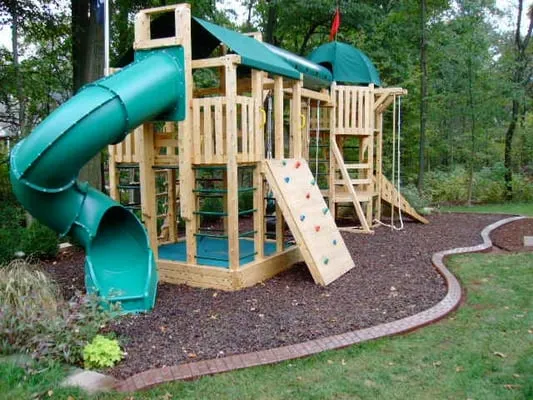
Permanent Edge is a Portland-based landscaping and masonry business founded in 2002, specializing in landscape curbing installation, design, and manufacturing of curbing machines. With nearly 25 years...

RC Services is a small, independent company in Gresham, OR, dedicated to siding, decks, railing, and landscaping projects. We work directly with customers, listening carefully to understand their need...
Stephens Landscape & Maintenance
Stephens Landscape & Maintenance is a trusted local landscaping company serving Eagle Creek, Oregon, specializing in landscape design and maintenance. We understand the common challenges homeowners fa...
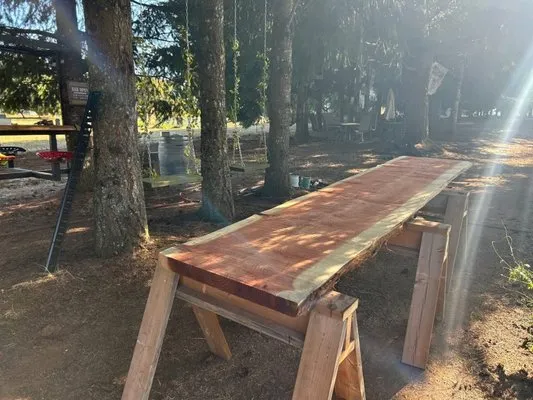
Mountain View Services is a trusted general contractor and landscaping provider serving Estacada, OR, with over three decades of experience in small construction projects, remodeling, steel fabricatio...
Patriot Landscape Maintenance is a trusted local landscaping provider serving Boring, OR, and the surrounding communities. We specialize in solving the specific yard challenges homeowners in our area ...

Highland Services is a versatile, locally-owned company serving Beavercreek and surrounding areas. We simplify your to-do list by offering three essential services in one reliable team. Our junk remov...
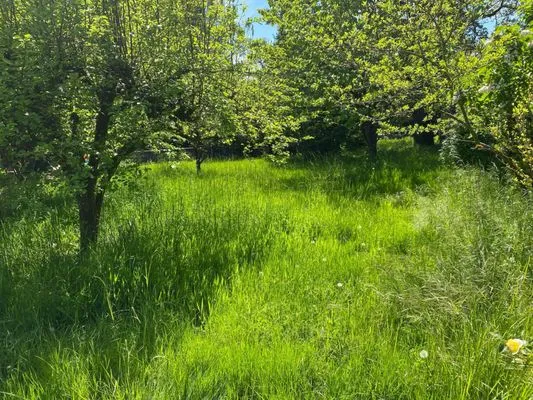
Say No More Lawn Care is a dedicated lawn service provider in Gresham, OR, specializing in comprehensive lawn care solutions tailored to the unique needs of local homeowners. In Gresham, residents fre...
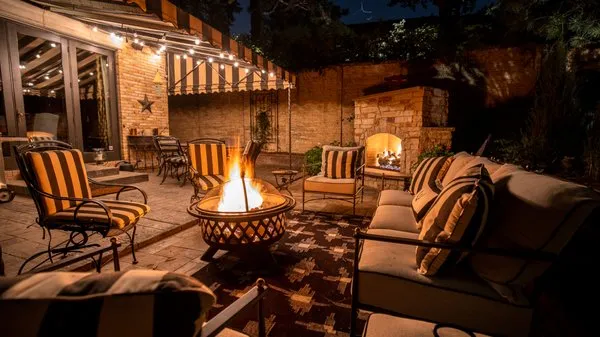
Kitchen Door Landscaping, founded in 2020 in Portland, OR, is a sustainable landscape design and build company that transforms outdoor spaces into personal oases. Led by City Manager Misty, who brings...

Eagle Creek Gravel is a trusted local landscaping company serving the Eagle Creek, OR community. We specialize in practical solutions for common yard problems, particularly addressing standing water a...
Estimated Landscaping Service Costs in Sandy, OR
Common Questions
We need emergency storm debris cleanup to meet HOA compliance deadlines. What's your fastest response time?
Our electric maintenance fleet dispatches from the Sandy Public Library area via US-26, reaching Sandy Bluff-Central properties within 20-30 minutes during peak conditions. We prioritize fallen Douglas fir limbs and drainage obstruction clearing, completing initial assessment and safety mitigation within the first hour. This schedule accommodates the 7 AM-9 PM gas-powered equipment window while utilizing quieter electric alternatives for after-hours emergencies.
Our yard seems compacted and drains poorly. Is this typical for Sandy Bluff-Central properties?
Properties in Sandy Bluff-Central with construction around 2001 have 25-year-old soil profiles. Acidic silt loam soils in this area naturally compact over time, reducing permeability to 0.5-1.5 inches per hour. Core aeration with 3-4 inch depth spacing and incorporation of 2-3 cubic yards of compost per 1000 square feet addresses this compaction while maintaining the optimal pH 5.5-6.2 range for Douglas fir and sword fern establishment.
We've noticed invasive English ivy spreading. How do we remove it without harming nearby plants?
Manual removal of English ivy during its March-April growth flush prevents chemical runoff into riparian zones. Cut vines at chest height, then carefully extract root systems from the acidic soil matrix. Apply targeted glyphosate only to cut stems using sponge applicators, avoiding broadcast spraying that violates statewide fertilizer ordinances. Monitor for regrowth over 24 months while establishing native red flowering currant as competitive replacement.
We want to reduce lawn maintenance and noise from gas equipment. What native alternatives work here?
Replacing 30-50% of turf with Douglas fir understory plantings creates a resilient landscape. Sword fern, salal, and Oregon grape establish within 12-18 months, requiring only seasonal pruning. This conversion eliminates weekly mowing while providing year-round structure. Electric maintenance equipment operates below 65 decibels, complying with noise ordinances while supporting 2026 biodiversity standards for Pacific Northwest habitats.
Our yard has standing water for days after rain. What solutions work with Sandy's soil conditions?
High seasonal saturation in acidic silt loam requires permeability enhancement. Installing 4-6 inch deep French drains with washed drain rock and geotextile fabric improves infiltration rates. Permeable concrete pavers with 1/8 inch joint spacing and basalt river rock dry creek beds meet City of Sandy Planning Division runoff standards. These systems redirect 90% of surface water while preventing soil erosion around foundations.
What permits and licenses are needed for regrading our 0.22-acre property?
The City of Sandy Planning Division requires erosion control permits for any grading exceeding 50 cubic yards on 0.22-acre lots. Oregon Landscape Contractors Board licensing mandates that contractors performing this work carry specific earth movement endorsements. These regulations ensure proper slope stabilization and drainage engineering that prevents downstream sedimentation. Unlicensed grading risks $5,000-10,000 fines and mandatory restoration orders.
Should we use wood or stone for new patio construction given wildfire concerns?
Basalt river rock and permeable concrete pavers provide superior fire resistance compared to wood decking. These materials maintain structural integrity up to 2000°F and create defensible space required for WUI Zone 2 compliance. Their 40+ year lifespan versus wood's 15-20 year cycle reduces long-term replacement costs. Proper installation with 6-inch gravel bases and joint stabilization prevents vegetation intrusion that compromises firewise ratings.
How can we maintain our tall fescue/ryegrass lawn during voluntary water conservation periods?
Smart Wi-Fi ET-based controllers with rain sensors reduce water use 30-40% while preserving turf health. These systems calculate evapotranspiration rates specific to Sandy's microclimate, applying 0.75-1 inch weekly during peak demand. Programming deep, infrequent watering cycles between 4-8 AM maximizes infiltration in acidic silt loam soils. This approach maintains the 4-6 inch root depth necessary for drought tolerance within municipal water limits.
