Top Landscaping Services in Phoenix, OR, 97535 | Compare & Call
There are 95 landscaping companies server in Phoenix OR
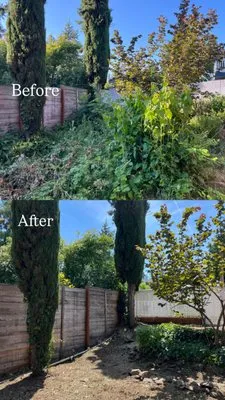
Carrillo Woods is a Medford-based family business founded in 2024 by Fabiola and Arturo Carrillo, combining over 20 years of wildfire suppression experience with a commitment to local service. Both ow...
Eagle Point Lawncare & Landscape Maintenance
Eagle Point Lawncare & Landscape Maintenance is your local expert for a healthy, resilient yard in Eagle Point, OR. We understand the common local challenges homeowners face, including sprinkler leaks...
Hernandez Yard Work is a trusted, local lawn care service dedicated to helping Phoenix, OR homeowners achieve and maintain a healthy, vibrant yard. We specialize in addressing the common local challen...
Cobbscape is a trusted, full-service landscaping company serving the Phoenix, OR community. We understand the unique challenges local homeowners face, like persistent lawn moss and overgrown shrubs th...
Green Sphere Landscape Maintenance is a Medford, OR-based company dedicated to solving the common yard problems faced by Southern Oregon homeowners. We understand the local frustrations with dying shr...
Estimated Landscaping Service Costs in Phoenix, OR
Questions and Answers
How fast can a crew arrive for emergency storm debris cleanup to avoid an HOA violation?
An emergency dispatch can be routed from Blue Heron Park via I-5 to the Historic District, targeting a 20-30 minute arrival during peak response times. The crew uses electric-powered blowers and chippers that comply with the local noise ordinance, allowing work within the 7:00 AM to 9:00 PM window. This ensures rapid debris removal and site stabilization to meet most HOA compliance deadlines following a weather event.
Are basalt pavers a better choice than wood decking for a new patio?
Basalt pavers offer superior longevity and lower maintenance than wood in Phoenix's Zone 8b climate. They are non-combustible, which contributes directly to your property's Moderate Fire Wise (WUI Zone 2) rating by creating a defensible space. Their thermal mass moderates temperature swings, and when installed with permeable joints, they aid in managing the site's drainage challenges. Wood requires regular sealing and is more susceptible to moisture damage from the seasonal high water table.
What are the long-term benefits of replacing some lawn with native plants?
Transitioning to a palette of Oregon Grape, Western Redbud, Douglas Aster, and California Poppy reduces water demand, eliminates weekly mowing, and provides critical habitat. This approach future-proofs your landscape against tightening noise ordinances that restrict gas-powered equipment and potential mandatory water restrictions. These natives have deep root systems that stabilize soil and require no phosphorus-based fertilizers, protecting nearby waterways and supporting local biodiversity.
My yard pools water in winter. What's a lasting solution for this clay loam soil?
Seasonal high water tables and poor infiltration are common with Phoenix's clay loam. The solution integrates grading and subsurface drainage. Installing a French drain system tied to a dry well captures subsurface flow, while regrading the surface promotes positive runoff. Using permeable basalt paver installations for patios or walkways can also increase onsite infiltration, helping projects meet Phoenix Planning and Building Department runoff management standards.
Why does my contractor need a special license to regrade my 0.22-acre lot?
In Oregon, any project involving significant earth movement, drainage alteration, or retaining walls over 4 feet requires a license from the Oregon Landscape Contractors Board (LCB). On a 0.22-acre lot, regrading often impacts drainage patterns across property lines, which also requires a review and permit from the Phoenix Planning and Building Department. Hiring an LCB-licensed contractor ensures the work meets structural and environmental codes, provides you with a bond for protection, and avoids costly corrective orders.
I've spotted invasive English Ivy. How do I remove it without harming my garden or violating local rules?
Manual removal is most effective for English Ivy; dig out the root crowns and persistently cut back any regrowth. For larger infestations, a targeted glyphosate application to freshly cut stems in late summer is permissible, but you must avoid spray drift to waterways to comply with the local phosphorus fertilizer ordinance near water. Never compost invasive plant material; bag it and dispose of it with municipal green waste to prevent reinfestation.
Can I keep my Tall Fescue lawn healthy under Phoenix's Stage 1 water conservation rules?
Yes, using Wi-Fi ET-based weather-sensing irrigation is critical. This technology schedules watering based on real-time evapotranspiration data, applying water only when the turf needs it and skipping cycles after rain. Properly calibrated, it can maintain Tall Fescue while reducing water use by 20-30% compared to standard timers, aligning with voluntary conservation goals. Deep, infrequent watering cycles are programmed for early morning to maximize efficiency and minimize fungal pressure.
Why does my 1980s home in the Phoenix Historic District have such compact, heavy soil?
Properties built in 1987, like many in this neighborhood, are now on 39-year-old soil. Original construction typically strips topsoil and compacts the underlying clay loam subsoil for foundation stability. This process creates a dense layer with poor permeability, restricting root growth and water infiltration. Core aeration and incorporating 2-3 inches of composted organic matter are required annually to rebuild soil structure and improve the cation exchange capacity for plant health.
