Top Landscaping Services in Ontario, OR, 97914 | Compare & Call

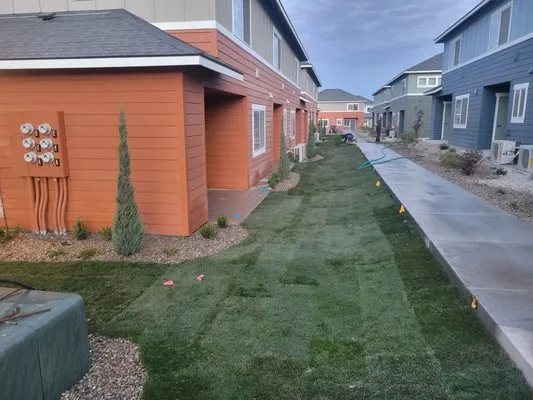
Saul Landscaping is a trusted local landscaping and tree service provider serving Ontario, OR, and the surrounding areas. We specialize in landscape maintenance and tree care services to address commo...

Ultimate Lawn Care is a trusted landscaping company serving Ontario, OR, dedicated to maintaining healthy, vibrant lawns for local homeowners. We specialize in addressing common regional challenges li...
Gustavos Lawn Service is a trusted, locally-owned landscaping company serving Ontario and the surrounding Treasure Valley area. We specialize in transforming and maintaining your outdoor spaces with r...

JS Landscaping Services is a trusted, full-service landscaping company serving homeowners and businesses across Ontario, Oregon, and the surrounding Treasure Valley. We specialize in both the creation...

Hernestos Lawncare is a trusted landscaping company serving Ontario, OR, specializing in comprehensive lawn and garden solutions. We understand that local homeowners often struggle with bare lawn patc...
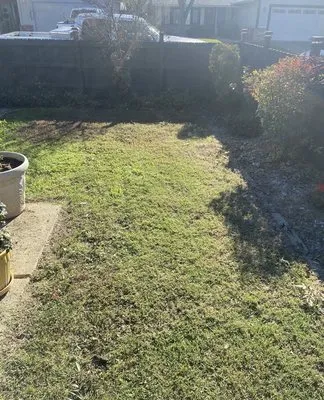
Richards Beards and Mowers landscaping
Richards Beards and Mowers is a versatile local business in Ontario, OR, specializing in landscaping, plumbing, and construction services to enhance and maintain residential properties. We provide com...
Turfmaster Sprinklers is a licensed irrigation contractor serving Ontario, OR, and surrounding areas since 1994. With over 20 years of experience, we specialize in landscape sprinkler systems, offerin...
Avendanos Landscaping is a trusted, full-service landscaping contractor serving Ontario, OR, and the surrounding Treasure Valley. We specialize in creating durable, beautiful outdoor spaces that stand...
Ontario Rock & Landscape Supplies is a family-owned business serving the Ontario, OR community since 2008. Founded by Clint, Julie, Sharen, Colton, and Kaylie, we operate with family values at our cor...
DLC Lawn Solutions is a veteran-owned and operated small business proudly serving Ontario, OR, and the surrounding area. We specialize in comprehensive lawn services, patio coverings, and irrigation s...
Question Answers
Is basalt rock better than wood for fire-resistant landscaping?
Basalt decorative rock provides non-combustible surfacing that meets Moderate Fire Wise Zone 2 interface compliance requirements. Unlike wood mulches that decompose and potentially ignite, basalt maintains structural integrity indefinitely. This material creates defensible space around structures while allowing water infiltration. Its dark coloration absorbs solar heat, potentially extending the growing season for adjacent plantings.
Why does my lawn have poor drainage and compacted soil in North Ontario Residential District?
Ontario's residential lots, averaging 51 years since construction in 1975, have mature silt loam soil with pH 7.5-8.2. This alkaline profile reduces microbial activity and organic matter decomposition over decades. Core aeration with compost amendments improves permeability by breaking up compaction layers. Adding mycorrhizae inoculants helps establish deeper root systems in this established neighborhood environment.
What permits and licenses are needed for grading my 0.22-acre lot?
The Ontario Building and Planning Department requires grading permits for elevation changes exceeding 12 inches or affecting drainage patterns. Oregon Landscape Contractors Board licensing mandates that professionals performing this work carry specific earthwork endorsements. On 0.22-acre parcels, engineered drainage plans may be necessary if modifying more than 10% of the property's surface area. Always verify contractor credentials through the LCB's online verification system before commencing work.
How quickly can you respond to storm damage for HOA compliance?
Emergency cleanup crews dispatch from the Ontario State Recreation Site via I-84, reaching North Ontario Residential District within 15-20 minutes during peak conditions. This routing avoids downtown congestion while maintaining response capability for fallen branches or drainage emergencies. We coordinate with property managers to address immediate safety hazards before proceeding with systematic debris removal.
Should I replace high-maintenance turf with native plants?
Transitioning to Big Sagebrush, Rubber Rabbitbrush, and Bluebunch Wheatgrass reduces mowing frequency and irrigation demands significantly. These natives establish deep taproots that access subsurface moisture in Ontario's climate. This approach anticipates potential gas-blower restrictions under general nuisance standards while creating habitat connectivity. Blanketflower and Western Yarrow provide seasonal color with minimal input requirements.
How do I control invasive weeds without violating fertilizer rules?
Identify Cheatgrass and Medusahead rye as primary invasive species alerts in Zone 6b. Apply targeted post-emergent herbicides during active growth phases before seed set. Oregon's state standard allows phosphorus applications for residential lawns, but timing matters for effectiveness. Manual removal combined with pre-emergent barriers in early spring prevents establishment while maintaining soil health.
What solves alkaline soil drainage problems in my yard?
Silt loam with pH 7.5-8.2 develops moderate to high alkalinity-induced compaction that impedes percolation. Installing French drains with gravel layers improves subsurface flow away from foundations. Using permeable basalt decorative rock for pathways meets Ontario Building and Planning Department runoff standards. Incorporating gypsum amendments helps floculate clay particles without altering soil pH dramatically.
Can I maintain Kentucky Bluegrass during Stage 1 water restrictions?
Wi-Fi ET-based weather sensing irrigation calculates evapotranspiration rates specific to Ontario's microclimate. This system adjusts watering schedules daily, reducing consumption by 25-40% while preserving turf health. Programming separate zones for sun exposure variations prevents overwatering. Municipal compliance requires monitoring usage against voluntary conservation targets through the irrigation controller's reporting features.
