Top Landscaping Services in North Bend, OR, 97420 | Compare & Call

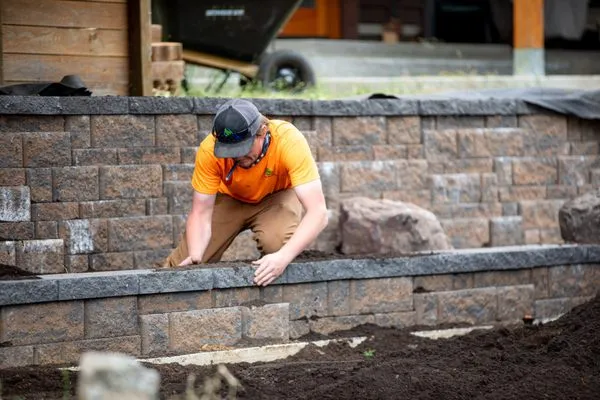
Clean Rivers has been serving North Bend and the Southern Oregon Coast since 1978, starting as Clean Rivers Erosion Control and growing into a licensed contractor specializing in excavation, landscapi...
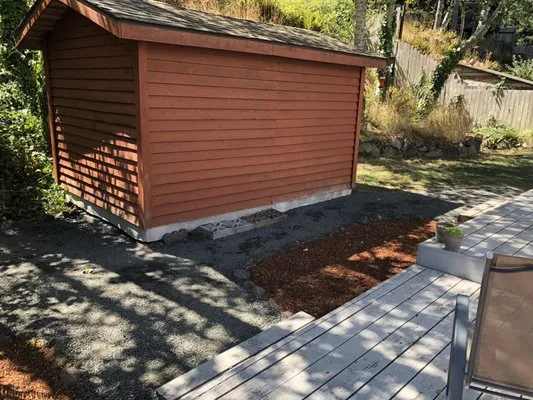
Scott Hood's Yard Rescue is a trusted lawn care provider serving North Bend, Oregon, with specialized solutions for common local landscaping challenges. We understand that North Bend properties often ...

Villa & Son Landscaping Maintenance is a family-owned and operated business serving North Bend, OR, with a focus on reliable gardening and landscape maintenance. Founded on principles of customer sati...
Rex's Lawn and Garden Maintenance is a trusted local landscaping and gardening service based in North Bend, OR, dedicated to keeping outdoor spaces healthy and beautiful. We specialize in gardening an...
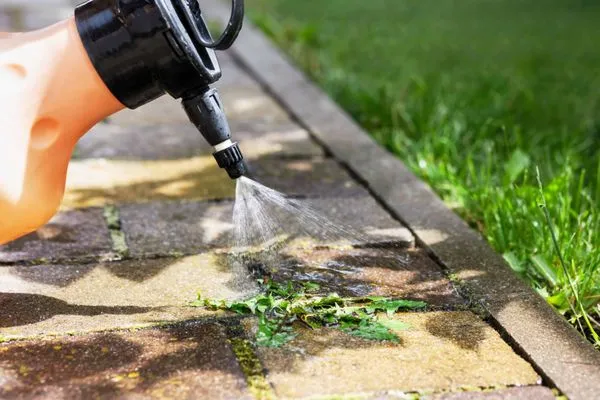
Clean Coast Eco Wash & Landscaping is a locally-owned property care service in North Bend, Oregon, founded by owner John. Specializing in eco-friendly pressure washing and comprehensive lawn services,...

Lions Head Landscaping is a trusted North Bend, OR landscaping company specializing in landscape construction, installation, and greenscape construction. We help local homeowners tackle common area ch...
New Day Gardens is a North Bend, OR landscaping company dedicated to solving the common local challenges homeowners face, particularly lawn moss growth and yard drainage problems. Our team understands...
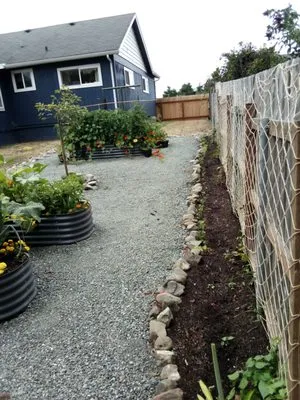
Jasson's Permaculture and More is a North Bend, OR landscaping and gardening company specializing in sustainable solutions for local properties. We offer comprehensive services including irrigation de...
Express Landscape Maintenance is a dedicated landscaping company serving North Bend, Oregon, and the surrounding Coos County area. We specialize in comprehensive lawn care and irrigation solutions tai...

Art's Tree Services in North Bend, OR, is a locally owned and operated business with deep roots in the community, founded on decades of hands-on experience. Starting in 1990, Art took a break to work ...
Question Answers
How should I manage invasive species without harming Simpson Park's riparian zones?
Scotch broom and Himalayan blackberry pose the highest invasion risk in Hilltop's disturbed soils. Manual removal during early April's peak mulching season prevents seed dispersal without chemical treatments. Oregon's riparian zone nutrient protection prohibits phosphorus applications within 100 feet of waterways, making organic herbicides containing citric acid or clove oil the only compliant options. Regular monitoring for regrowth maintains defensible space while protecting Simpson Park's aquatic ecosystems from contamination.
How quickly can you respond to an emergency storm cleanup for HOA compliance?
Our electric maintenance fleet can dispatch from Simpson Park via US-101 within 20-30 minutes during peak conditions. This routing avoids downtown congestion while meeting Hilltop's 7 AM to 9 PM noise ordinance window. We prioritize downed branches and drainage blockages that violate HOA covenants, using battery-powered chippers and sweepers that operate below 65 decibels. The response time accounts for coastal weather patterns that frequently impact US-101 travel.
Why does my Hilltop yard have such compacted, acidic soil that struggles to drain?
North Bend's Hilltop neighborhood was largely developed around 1965, giving your soil approximately 61 years of maturation. Acidic silt loam with pH 5.5-6.2 naturally compacts over decades, reducing permeability to 0.5 inches per hour or less. This aging soil profile requires core aeration every 2-3 years and organic amendments like composted bark to improve structure. Without intervention, seasonal saturation will worsen as soil particles continue to settle and pore space diminishes.
What solutions exist for yards with chronic standing water after winter rains?
High seasonal saturation in acidic silt loam requires improving soil infiltration from current rates below 0.5 inches per hour. Installing French drains with clean crushed basalt aggregate creates subsurface channels for water movement. Permeable concrete patios or walkways meet North Bend Planning Department's runoff standards by allowing 5-8 inches per hour of infiltration. These systems work with the soil's natural pH rather than against it, preventing the anaerobic conditions that damage root systems.
Why choose crushed basalt over wood for patios in fire-prone areas?
Crushed basalt and permeable concrete provide non-combustible surfaces that meet Moderate Coastal WUI fire-wise ratings for defensible space. Unlike wood decking that requires replacement every 8-12 years, these materials maintain integrity for 25+ years in North Bend's humid climate. The 3/8-inch minus basalt compacts to 95% density, creating stable pathways that resist erosion from 60+ inches of annual rainfall. This approach eliminates the maintenance cycle of sealing and repairing that wooden structures demand in acidic soil conditions.
What native alternatives reduce maintenance while supporting local ecology?
Replacing high-water turf with Salal, Red Huckleberry, and Sword Fern creates a self-sustaining landscape that requires minimal intervention. These natives thrive in USDA Zone 9b's acidic soils without fertilizers, reducing phosphorus runoff into nearby waterways. Transitioning to electric maintenance equipment ahead of tightening noise ordinances eliminates gas-blower use entirely. Douglas Fir and Evergreen Huckleberry provide year-round structure while supporting native pollinator populations that have declined 40% since 2000.
What permits and licensing are required for regrading my 0.15-acre property?
The North Bend Planning Department requires grading permits for any excavation exceeding 50 cubic yards on 0.15-acre lots. Oregon Landscape Contractors Board licensing mandates that professionals performing this work carry specific endorsements for earth movement and drainage. Unlicensed grading can violate statewide riparian protection laws if soil enters waterways, resulting in fines up to $10,000. Proper documentation ensures compliance with setback requirements and prevents downstream sedimentation that triggers regulatory action.
How do smart controllers maintain my perennial ryegrass and fine fescue lawn during dry periods?
Wi-Fi ET-based irrigation controllers calculate evapotranspiration rates specific to North Bend's coastal microclimate. These systems adjust watering schedules daily, applying 0.75-1.0 inches weekly to maintain turf health while conserving 30-40% more water than traditional timers. During Stage 0 restrictions, this technology prevents overwatering that could trigger future limitations. The controllers integrate local weather data to skip cycles after rainfall, preserving soil moisture in your acidic silt loam.
