Top Landscaping Services in Myrtle Creek, OR, 97457 | Compare & Call

There are 45 landscaping companies server in Myrtle Creek OR
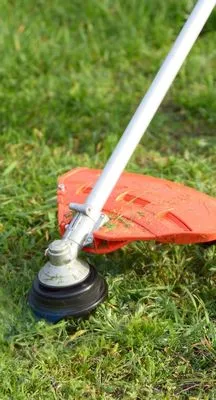
Kevin's Outdoor Services is a trusted local provider in Winston, OR, specializing in pressure washing and comprehensive lawn care solutions. Many Winston homes struggle with common landscaping issues ...
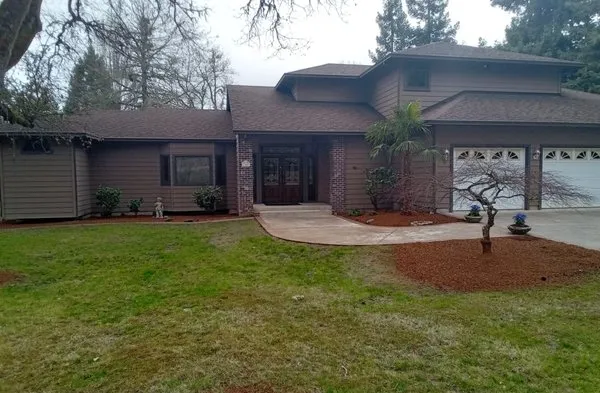
The Landscape Guys are a trusted, professional landscape company serving Roseburg, Oregon and the surrounding communities. With over two decades of experience, they provide dedicated, detailed, and af...
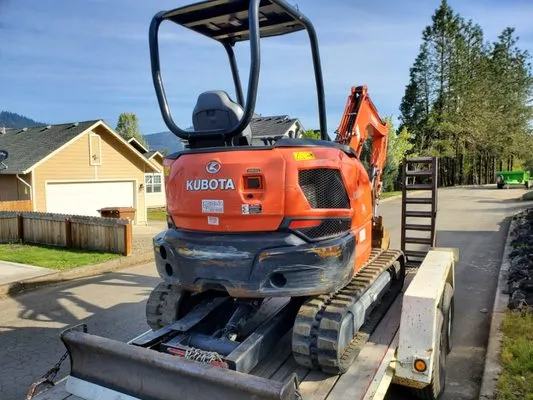
Over the Hedge Lawn Care has been serving Myrtle Creek and Douglas County since 2015, providing comprehensive outdoor solutions. As a locally owned and operated business, we're licensed, bonded, and i...
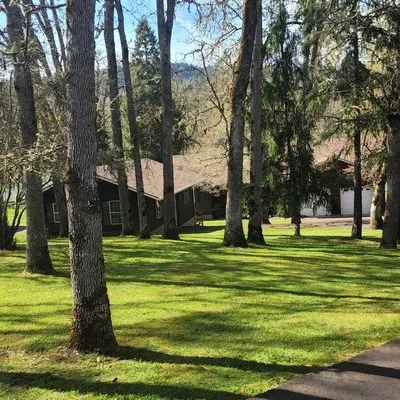
Roots Run Deep Landscaping is a trusted, locally-owned landscaping company serving Roseburg, OR, and surrounding areas. We specialize in comprehensive lawn care, tree services, and pressure washing to...
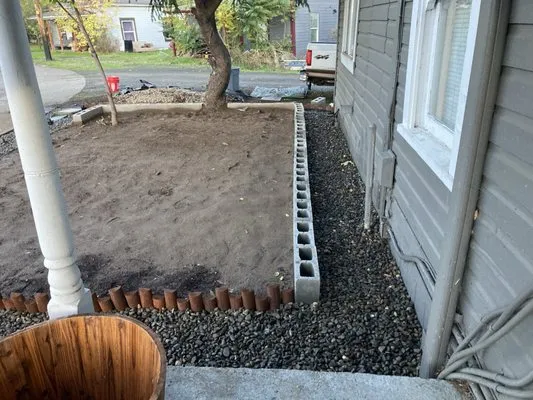
TMS Landscape is a Roseburg-based landscaping company dedicated to providing reliable, thorough services for local homeowners and businesses. We focus on building lasting relationships through consist...
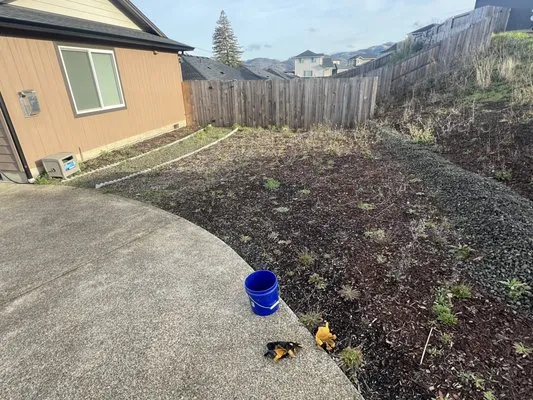
Veterans on the Mow is a veteran-owned lawn care service in Winston, OR, founded by Brian Bergeron. We provide reliable outdoor maintenance solutions, including mowing, trimming, seasonal clean-ups, p...
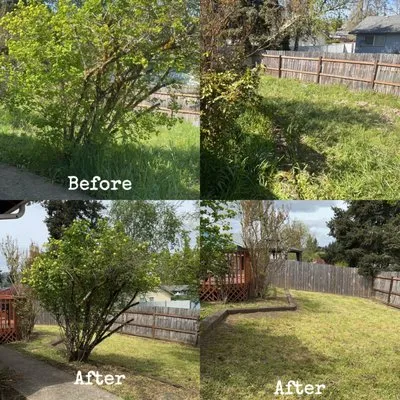
Keeler's Memorial Landscaping is an Oregonian-owned and operated business serving all of Douglas County, Oregon, with a focus on Winston. With over 25 years of experience, owner Joe brings expertise i...
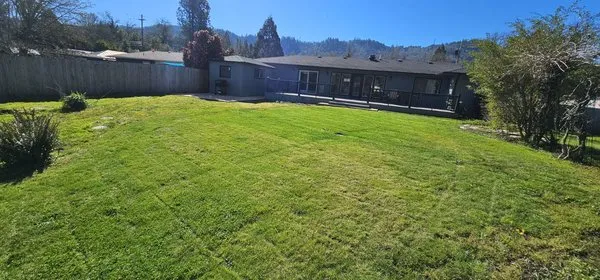
Lawn and Home Care Pros is a trusted Roseburg, OR lawn care and irrigation specialist dedicated to keeping local landscapes healthy and resilient. We understand the specific challenges Roseburg homeow...
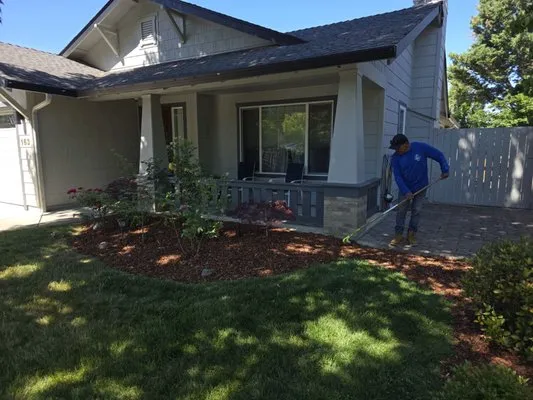
Manzano Yard Work is a full-service landscaping company serving Medford, OR, and the surrounding Rogue Valley. We specialize in creating and maintaining beautiful, functional outdoor spaces, from deta...
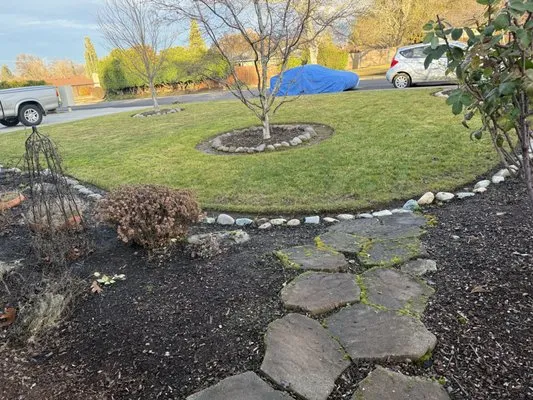
Down to Earth Lawn Care is a Central Point, OR-based lawn service provider founded on the principle of genuine, personalized care. With over 20 years of hands-on experience in the Rogue Valley landsca...
Estimated Landscaping Service Costs in Myrtle Creek, OR
Common Questions
I've spotted English Ivy spreading. How do I remove it safely?
English Ivy is a high-priority invasive that smothers native understory. Manual removal is most effective: cut vines at the base and carefully peel matted growth from trees and soil. For persistent regrowth, a targeted, glyphosate-based herbicide applied in late fall to the cut stems can be used, strictly following the Oregon Department of Agriculture's riparian protection standards to protect waterways. Avoid broadcast spraying to protect soil mycorrhizae.
My yard gets soggy each spring. What's a lasting solution?
Moderate seasonal saturation is common in our Ultic Haploxeralfs due to low permeability. A tiered approach works best: first, regrade to create positive surface flow away from foundations. Second, replace solid concrete with permeable concrete or basalt stone set in gravel for patios and walkways to increase ground infiltration. These materials help manage runoff to meet Myrtle Creek Planning Department standards, often eliminating the need for extensive underground French drains.
Do I need a permit to regrade my 0.22-acre lot?
Yes, significant grading that alters water flow or involves retaining walls over 4 feet typically requires a permit from the Myrtle Creek Planning Department. For any such earthwork, you must hire a contractor licensed by the Oregon Landscape Contractors Board. This ensures the work meets structural and environmental codes, particularly for managing stormwater runoff on a property of this size, protecting both your investment and downstream neighbors.
Is basalt stone a better choice than wood for a new patio?
For longevity and fire resilience, basalt stone is superior. It is non-combustible, aligning with Moderate (WUI Zone 2) Fire Wise ratings by creating defensible space. Unlike wood, it does not rot, warp, or require chemical treatments, offering a century-long service life with minimal upkeep. Its thermal mass also moderates temperature swings, creating a more comfortable microclimate adjacent to your home.
What are the best low-maintenance plants to replace some of my lawn?
Transitioning to a xeriscape with native species like Salal, Oregon Grape, and Western Redbud dramatically reduces water, mowing, and chemical inputs. These plants are adapted to Zone 8b and our soil pH, requiring minimal care once established. This shift also future-proofs your property against tightening noise ordinances that restrict gas-powered blowers and mowers, as native beds generate little debris and require only occasional pruning with electric tools.
Why does the soil in my Downtown Myrtle Creek yard seem so hard and compacted?
Soils in lots from the 1971 construction era have matured for over 50 years, developing a dense structure typical of our local Ultic Haploxeralfs. These clay-heavy soils naturally compact over decades, restricting root growth and water percolation. Core aeration and incorporating 2-3 inches of composted organic matter are critical to rebuild soil porosity and biology. This directly addresses the low pH range of 5.5-6.5 by fostering microbial activity that naturally buffers acidity.
How quickly can you respond for an emergency tree cleanup after a storm?
Our electric fleet, compliant with standard 7am-9pm residential noise limits, allows for rapid dispatch. From a staging point near the Myrtle Creek Public Library, we route via I-5 to reach most Downtown properties within the 20-30 minute peak storm response window. This prioritizes safety and secures the site to prevent further property damage, coordinating with local utilities as needed.
Can I keep my Tall Fescue lawn healthy under Stage 1 water conservation rules?
Yes, precisely managing evapotranspiration (ET) is key. A Wi-Fi ET-based irrigation controller adjusts runtime daily using local weather data, applying water only when the turfgrass needs it. This system can reduce potable water use by 20-30% compared to traditional timers, keeping Tall Fescue viable within voluntary conservation limits. Deep, infrequent watering cycles promote deeper roots, enhancing drought resilience.
