Top Landscaping Services in Monmouth, OR, 97351 | Compare & Call

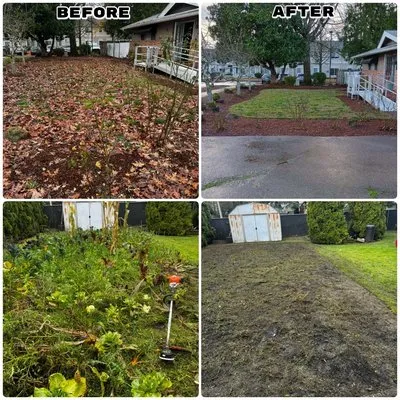
Zamarripa Landscaping Maintenance
Zamarripa Landscaping Maintenance in Monmouth, OR, specializes in transforming outdoor spaces through comprehensive landscape services. We handle everything from initial design to ongoing maintenance,...
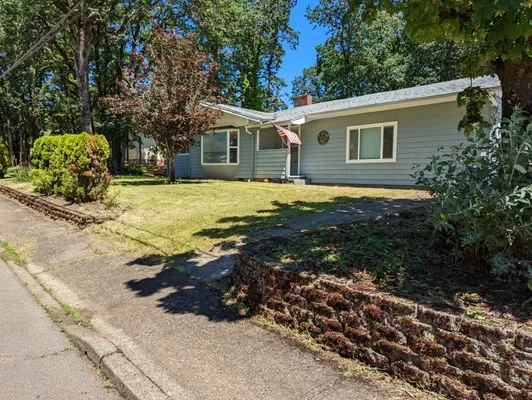
R&S Lawn Mowing & Maintenance is a family-owned local business serving Monmouth, OR, with a focus on building lasting relationships through reliable and affordable lawn care. We offer comprehensive se...

Revive Declutter Transform
Revive Declutter Transform in Monmouth, OR, is your local solution for transforming outdoor spaces and tackling common landscaping challenges. Many Monmouth homeowners face issues like dying shrubs an...

Green Inspiration Landscaping is a locally owned and operated company serving Monmouth and the surrounding areas. We are dedicated to enhancing the appearance and well-being of your property through r...

Junk Genies is a trusted, local service in Monmouth, OR, specializing in comprehensive junk removal, home cleaning, and lawn care. We understand the specific challenges Monmouth residents face, partic...

Rincon Lawn Care & Maintenance is a dedicated lawn service provider serving Monmouth, OR, and the surrounding areas. We specialize in comprehensive lawn care solutions tailored to the specific needs o...
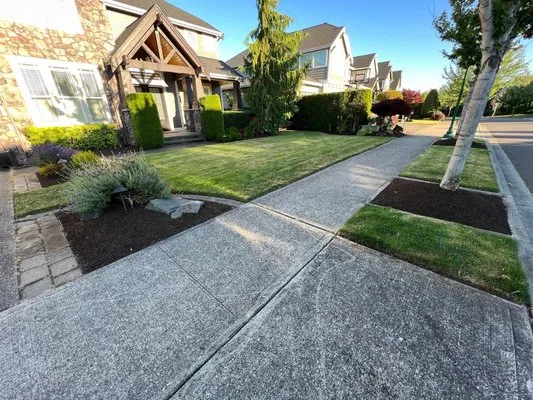
TheMowCo is a trusted landscaping company serving Monmouth, OR, and the surrounding areas. We specialize in comprehensive landscape solutions, including gardening, irrigation repair, landscape constru...
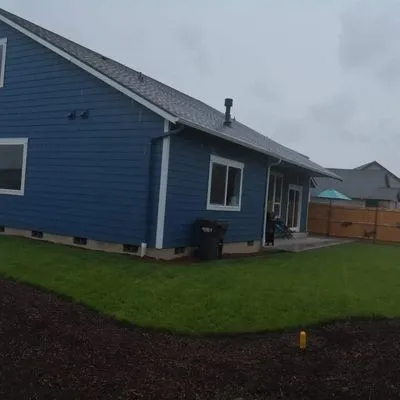
Pacific Coast Lawn & Garden LLC in Monmouth, OR, is a dedicated lawn and garden service provider focused on delivering quality care for local properties. We specialize in comprehensive lawn care and t...
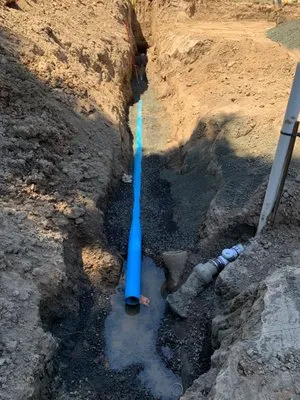
JL Excavation & Rental LLC is a trusted utility contractor based in Monmouth, Oregon, with over a decade of experience serving the local community. We specialize in excavation, moisture control, water...
Cuttenlawns is a Monmouth-based landscaping company dedicated to solving common local yard challenges. We specialize in addressing issues like standing water in yards and irrigation timer failures, wh...
FAQs
What permits and licenses are needed for grading work on my 0.19-acre Ash Creek property?
Significant grading on a 0.19-acre lot typically requires a permit from the Monmouth Community Development Department, particularly if it alters drainage patterns or involves cut/fill exceeding 18 inches. Oregon Landscape Contractors Board licensing is mandatory for contractors performing this work, ensuring they carry proper insurance and meet state competency standards. The licensing distinguishes between landscape construction and maintenance activities, with grading falling under construction classification. Working with licensed professionals ensures compliance with local ordinances and protects against liability for improper drainage or erosion issues.
What native plants could replace high-maintenance turf areas in my Ash Creek yard?
Replacing turf with native species like Douglas Spirea, Oregon Grape, Camassia quamash, and Western Red Columbine creates a resilient, low-input landscape. These plants have evolved for Monmouth's Zone 8b conditions, requiring minimal irrigation once established and no regular mowing. The transition reduces maintenance frequency ahead of potential tightening of gas-powered equipment restrictions under Monmouth's noise ordinance. Native plantings also support local pollinators and contribute to 2026 biodiversity standards while creating visual interest through seasonal variation in texture and color.
How quickly can you respond to an emergency storm cleanup that violates HOA compliance standards?
Emergency storm response typically requires 20-30 minutes during peak conditions from our dispatch at Monmouth Main Street Park. The route follows OR-99W directly into Ash Creek neighborhoods, allowing efficient access even with debris-blocked secondary roads. We maintain electric-powered equipment that operates within Monmouth's noise ordinance restrictions (9:00 PM to 7:00 AM), enabling early morning or late evening compliance work when gas-powered equipment would be prohibited. This approach ensures rapid resolution while adhering to all local regulations.
Are basalt pavers better than wood decking for my Monmouth patio considering fire risks?
Basalt pavers offer superior longevity and fire resistance compared to wood decking, particularly relevant given Monmouth's Moderate Urban Interface fire rating. This igneous rock material withstands weathering without deterioration and creates effective defensible space when properly installed with cleared vegetation buffers. Unlike wood that requires regular sealing and replacement, basalt maintains structural integrity with minimal maintenance. For properties in higher-risk zones, non-combustible hardscape materials like basalt provide both aesthetic appeal and practical fire-wise benefits that align with regional safety recommendations.
What's the best solution for seasonal water pooling in my Willamette Silt Loam yard?
Seasonal high water tables and poor infiltration are common challenges with Willamette Silt Loam's dense structure. Installing French drains with proper grading directs surface water away from foundations while subsurface aeration improves soil permeability. For hardscape areas, basalt pavers set with permeable jointing materials allow water infiltration rather than creating runoff. The Monmouth Community Development Department requires stormwater management plans for significant grading work, and these solutions typically meet their runoff standards while addressing your specific drainage issues.
How can I maintain healthy Tall Fescue during Monmouth's Stage 1 water restrictions?
Wi-Fi ET-based weather sensing irrigation systems calculate evapotranspiration rates using local weather data, applying water only when plants actually need it. This technology typically reduces water usage by 20-30% compared to traditional timer-based systems while maintaining turf health. For Tall Fescue in USDA Zone 8b, the system adjusts for Monmouth's seasonal patterns, providing deeper, less frequent watering that encourages drought-tolerant root development. This approach keeps your lawn viable while staying well within voluntary conservation guidelines.
What invasive species should I watch for in Ash Creek, and how do I treat them safely?
Common invasive threats in Monmouth include Himalayan blackberry, English ivy, and false brome grass, which outcompete native vegetation. Manual removal during dry periods prevents soil disturbance that spreads seeds, while targeted spot treatments with EPA-approved herbicides avoid broadcast application. Oregon's Water Quality Standards prohibit phosphorus application on impervious surfaces, so treatment timing must consider both plant growth cycles and regulatory blackout dates. Regular monitoring and early intervention prevent establishment while protecting nearby native plantings and water quality.
Why does my Ash Creek yard have such compacted soil that won't drain properly?
Monmouth's Ash Creek neighborhood was primarily developed around 1993, giving your soil approximately 33 years of maturation. Willamette Silt Loam naturally tends toward compaction over time, especially in residential areas with regular foot traffic and equipment use. The pH range of 5.5-6.5 indicates slightly acidic conditions that can limit microbial activity. Core aeration combined with organic amendments like composted bark or leaf mold will improve soil structure, increase permeability, and support healthier root systems for your Tall Fescue turf.
