Top Landscaping Services in Medford, OR, 97501 | Compare & Call

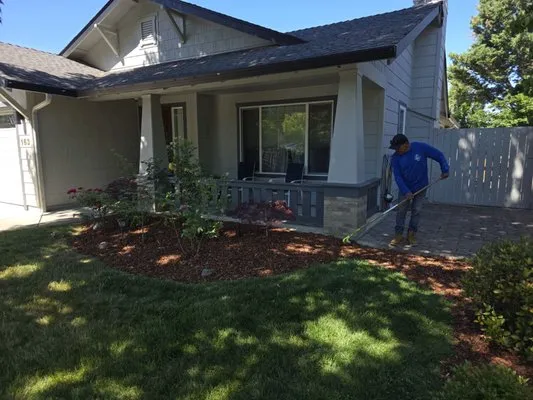
Manzano Yard Work is a full-service landscaping company serving Medford, OR, and the surrounding Rogue Valley. We specialize in creating and maintaining beautiful, functional outdoor spaces, from deta...
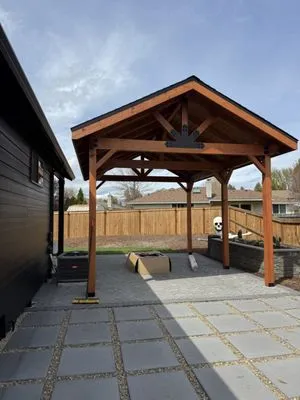
CV Landscape & Maintenance
CV Landscape & Maintenance is a Medford-based landscaping company dedicated to helping local homeowners transform their outdoor spaces into beautiful, functional areas they can enjoy year-round. We co...
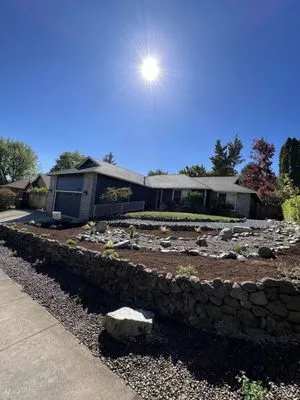
Nature's Landscape
Nature's Landscape has been a trusted name in Medford, OR, and the surrounding Rogue Valley for years. We are a local, licensed, and insured team dedicated to designing, installing, and maintaining be...

Villa's Landscape Maintenance is a locally owned and operated business serving Medford, Oregon, and the surrounding Rogue Valley for over 12 years. We specialize in comprehensive residential and comme...
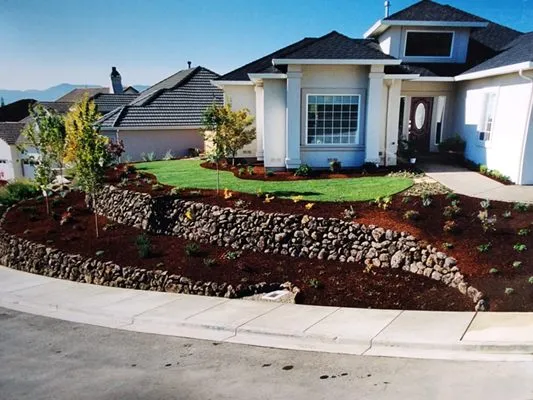
Creative Edge Landscaping
Creative Edge Landscaping has been a trusted licensed contractor in Medford, OR since 1994, providing comprehensive landscaping solutions for both residential and commercial properties throughout the ...
Alex on a Mission is a Medford-based landscaping service founded by 19-year-old Alex, who is driven by a dual passion for outdoor craftsmanship and community support. Licensed and bonded, this busines...

Good Earth Landscape Co is a full-service design, construction, and maintenance firm serving Medford and the Rogue Valley. We specialize in solving the region's common landscape challenges, particular...

All About Landscaping Maintenance in Medford, OR, specializes in transforming and maintaining outdoor spaces for local homeowners. We understand the common challenges in our area, such as irrigation t...

Perfect Lawn Care is a locally-owned and operated lawn service in Medford, OR, run by Rene with over 5 years of experience. We specialize in comprehensive lawn care, including mowing, pruning, edging,...
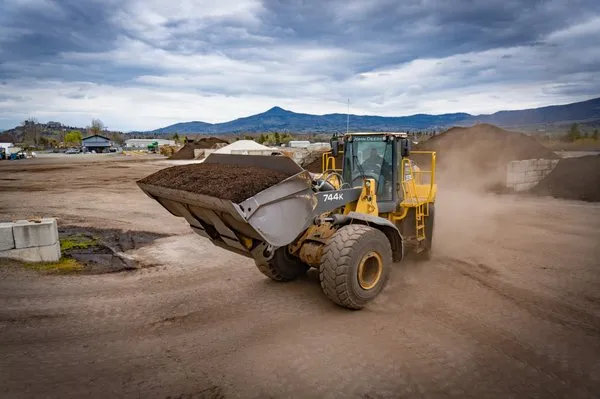
Oregon Garden Warehouse is a locally owned landscape supply company founded by Simon Blair, a Southern Oregon native with lifelong experience in the growing and landscaping industry. Based in Medford,...
Question Answers
How can I keep my Tall Fescue lawn healthy during Medford's Stage 1 water restrictions?
Stage 1 voluntary conservation is managed effectively with Wi-Fi ET-based irrigation. This system adjusts watering schedules daily using local evapotranspiration data, applying water only when needed. For clay loam soil, it programs longer, less frequent cycles to encourage deep root growth and prevent runoff. This method typically reduces water use by 20-30% while maintaining turf health within municipal guidelines.
We're building a new patio. Is basalt a good choice compared to composite or wood?
Basalt pavers are a superior long-term investment for Medford. Their mineral composition provides exceptional durability against freeze-thaw cycles and requires no sealing or chemical treatment. Unlike wood, basalt is non-combustible, contributing directly to defensible space requirements in Moderate (WUI Zone 2) fire risk areas. Its natural thermal mass also moderates patio temperature effectively.
I see a fast-spreading weed with yellow flowers taking over a garden bed. What is it and how do I stop it?
That description likely matches the invasive lesser celandine, which thrives in moist clay soils. Manual removal before seed set is critical, ensuring all tubers are extracted. For chemical control, use a selective herbicide labeled for this species, strictly applying outside of any local blackout dates and ensuring it contains no phosphorus to comply with Medford's fertilizer ordinance for established lawns.
A storm damaged a large tree limb over my driveway. How quickly can a crew respond for emergency cleanup?
For an emergency cleanup in East Medford, our dispatch from the Prescott Park area uses I-5 for direct access, targeting a 20-30 minute arrival during peak response times. We coordinate with the city for any necessary right-of-way permits upon arrival. Crews are equipped with electric chippers and saws compliant with Medford's 7 AM to 9 PM noise ordinance for immediate, efficient work.
My yard gets soggy spots every winter. What's a lasting solution for this drainage problem?
Seasonal saturation is common with Medford's clay loam. A graded French drain system intercepts subsurface water, while a rain garden with native plants like Oregon Grape can absorb runoff. For patios, using permeable basalt pavers allows infiltration, often helping projects meet the Medford Planning Department's stormwater management standards. These solutions address the moderate runoff hazard directly.
We want to regrade our 0.22-acre lot. What permits and contractor qualifications are required?
Regrading a 0.22-acre parcel typically requires a permit from the Medford Planning Department to ensure proper drainage and compliance with zoning. The work must be performed by a contractor licensed by the Oregon Landscape Contractors Board (LCB). The LCB license is mandatory for any project involving significant earth movement, irrigation, or drainage system installation, protecting you from liability and substandard work.
I'm tired of weekly mowing and gas blower noise. Are there lower-maintenance, quieter options?
Transitioning high-input turf to a climate-adaptive landscape is a forward-thinking solution. Replacing areas with native plants like Western Redbud, Lewis Mock Orange, and California Poppy eliminates weekly mowing and reduces irrigation needs. This shift also moves you away from gas-powered equipment, aligning with evolving noise ordinances and supporting local biodiversity with species adapted to Zone 8b.
My East Medford yard's soil feels dense and water pools on it. Is this normal for a house built in the '80s?
A 44-year-old landscape in this area has mature soil profiles. Homes built around 1982 often have a compacted clay loam subsoil from original construction grading. This layer, with a typical pH of 6.5-7.5, severely restricts water percolation and root penetration. Core aeration and incorporating 2-3 inches of coarse compost are essential to rebuild soil structure and increase permeability for healthy plant growth.
