Top Landscaping Services in Lake Oswego, OR, 97034 | Compare & Call

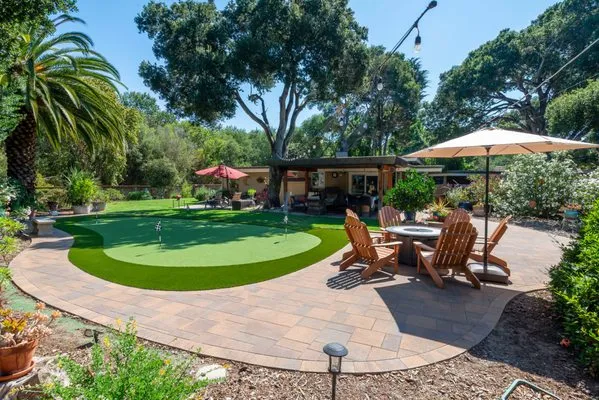
System Pavers
System Pavers in Lake Oswego, OR, is a trusted local outdoor remodeling company with over 30 years of experience, specializing in landscaping, masonry/concrete, and landscape design. Since 1992, they ...
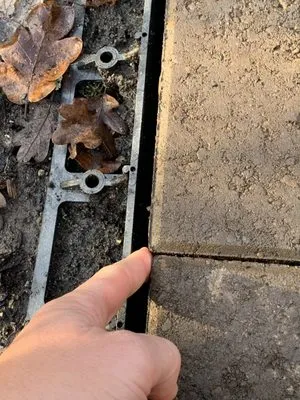
Grassroots Construction
Grassroots Construction is a licensed and bonded Lake Oswego contractor founded in 2005 by Brenton Olson, who began his career at age 14 as a greenskeeper at a local golf course. Starting with landsca...
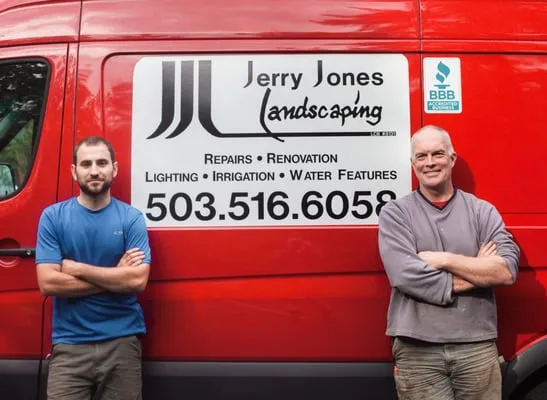
Jerry Jones Landscaping is a locally-owned and operated landscaping contractor serving Lake Oswego, West Linn, Beaverton, and the greater Portland Metro area since 1982. Founded by Jerry Jones, who be...
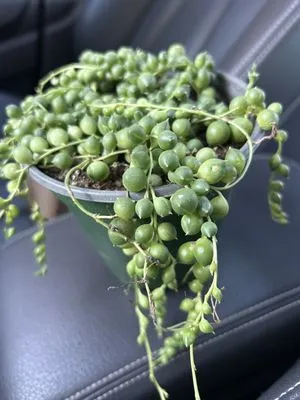
Dennis' 7 Dees Garden Center
Dennis' 7 Dees Garden Center is a Lake Oswego institution with deep roots in Oregon's gardening community. Now in its fourth generation of family ownership, the company's expertise stretches back near...
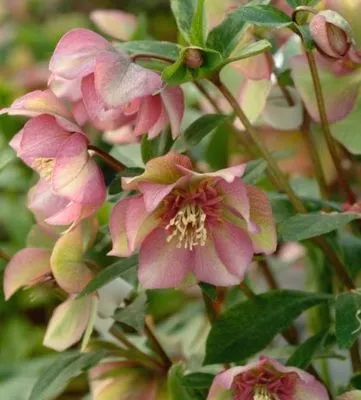
Fernwood Landscapes is a Lake Oswego-based sustainable landscape design and installation company, founded in 2024. We specialize in environmentally responsible solutions, including full landscape desi...
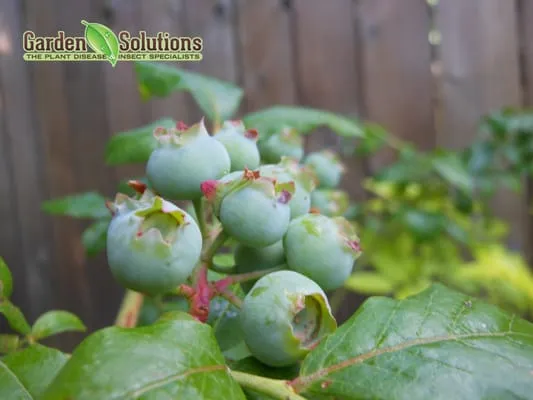
Garden Solutions was founded by a local arborist with deep roots in plant care, beginning in the wheat fields of eastern Washington at age seven. After gaining experience in organic farming in Europe,...
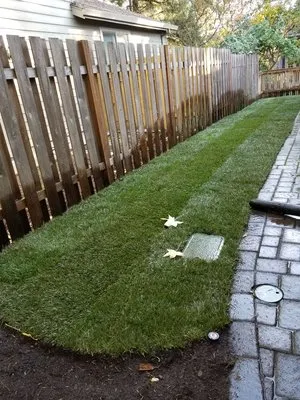
RCS Landscaping is a locally owned and operated business with deep roots in Lake Oswego. I started working in landscaping at 18 and have been dedicated to the trade for over a decade. In 2018, my comm...
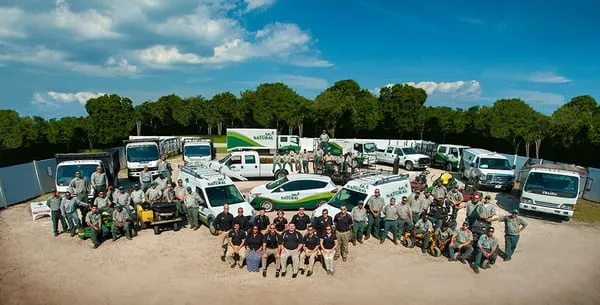
Natural Landscape and Irrigation is a locally owned and operated landscaping company serving the Greater Portland Metropolitan area for over two decades. Licensed, bonded, and insured by the Oregon La...
Oswego Yard Care is a locally owned and operated landscaping and tree service business in Lake Oswego, Oregon, founded by Dan and Lonny. As a Lakeridge High School graduate, Dan brings deep community ...
TruGreen Lawn Care in Lake Oswego, OR, provides professional lawn and tree services for residential and commercial properties in the local area. With a focus on science-backed solutions and tailored c...
Q&A
What native plants could replace high-maintenance turf to reduce noise and water requirements?
Transitioning to Oregon grape, western red cedar, sword fern, salal, and red flowering currant creates a climate-adaptive xeriscape requiring minimal irrigation. These natives thrive in USDA Zone 8b conditions without weekly mowing, aligning with evolving noise ordinances restricting gas-powered equipment. This approach reduces water consumption by 50-75% while providing year-round visual interest and supporting local pollinator populations in your 0.22-acre property.
How can I maintain my perennial ryegrass/fine fescue blend during Stage 1 water restrictions?
Wi-Fi ET-based smart controllers optimize irrigation by calculating evapotranspiration rates specific to Lake Oswego's microclimate. These systems adjust watering schedules based on real-time weather data, soil moisture sensors, and plant water requirements. This technology maintains turf health while reducing water usage by 20-30%, keeping you within voluntary conservation guidelines while preserving your grass blend through Oregon's dry summer months.
Are permeable concrete pavers better than wood for longevity and fire safety in my moderate-risk zone?
Permeable concrete pavers offer superior longevity with 25+ year lifespans versus wood's 10-15 years in Oregon's wet climate. Their non-combustible nature supports defensible space requirements in Lake Oswego's Moderate WUI Interface Zone, reducing fire risk around structures. Unlike wood, pavers don't require chemical treatments that can leach into soil, and their permeability manages runoff while maintaining structural integrity through freeze-thaw cycles.
How should I address invasive species without violating phosphorus-free fertilizer requirements near waterways?
Invasive species like English ivy and Himalayan blackberry require mechanical removal followed by organic, phosphorus-free amendments to restore soil health. Time treatments outside local fertilizer ordinance blackout dates, typically early spring before peak runoff seasons. For persistent invasives, use targeted organic herbicides that break down quickly without leaching into Lake Oswego's watershed, maintaining compliance while protecting native plant communities.
What permits and licensing are required for grading work on my 0.22-acre First Addition property?
Grading projects exceeding 50 cubic yards require permits from Lake Oswego Planning & Building Services, with specific erosion control measures for slopes over 10%. Oregon Landscape Contractors Board licensing is mandatory for contractors performing earthwork, ensuring proper bonding and training. On 0.22-acre lots, even minor grading can impact drainage patterns, necessitating professional oversight to avoid violations and ensure compliance with local runoff management standards.
What's the most effective solution for seasonal saturation problems in my silt loam soil?
High seasonal saturation in Lake Oswego's silt loam results from clay subsoil compaction restricting water movement. Permeable concrete pavers installed with proper base materials create infiltration zones that meet Lake Oswego Planning & Building Services runoff standards. These systems allow 3-5 inches per hour of water infiltration, reducing surface pooling while complementing French drains or dry wells for comprehensive drainage management in compacted soils.
Why does my 45-year-old First Addition property have such compacted soil that struggles to drain?
Lake Oswego's First Addition neighborhood was largely developed around 1981, giving your soil approximately 45 years of maturation. Silt loam soil with pH 5.5-6.5 naturally compacts over decades of foot traffic and seasonal saturation. The clay subsoil common in this area restricts water percolation, creating drainage issues that require core aeration and organic amendments like compost to improve soil structure and permeability.
How quickly can you respond to an emergency tree cleanup after a storm to meet HOA compliance deadlines?
Our electric maintenance fleet operates within Lake Oswego's noise ordinance restrictions, allowing dispatch during quiet hours. From our base near George Rogers Park, we take I-5 to reach First Addition properties within 20-30 minutes during peak storm conditions. This routing ensures timely response for emergency cleanup while maintaining compliance with local noise regulations that restrict gas-powered equipment from 8 PM to 7 AM.
