Top Landscaping Services in Lafayette, OR, 97127 | Compare & Call
There are 152 landscaping companies server in Lafayette OR

Clear PathWorks is a family-owned landscaping and property services company serving Salem, OR. We understand that a well-maintained property is about pride and peace of mind. That’s why we focus on ho...

Andos Landscaping & Property Management is a Salem-based company offering comprehensive property care solutions for local homeowners. We specialize in landscaping, tree services, and home cleaning, pr...
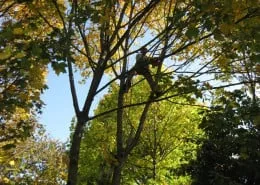
North West Landscape Care and Tree Service
North West Landscape Care and Tree Service is a locally owned and operated landscaping company based in Oregon City, OR, serving homeowners and businesses across Clackamas County, including Redland an...
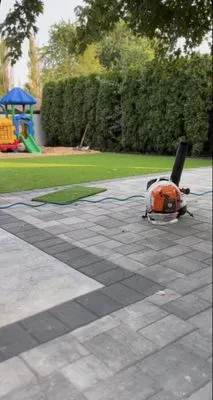
VR Landscape is a Sherwood-based landscaping company specializing in artificial turf, masonry/concrete work, and comprehensive landscape services. We help local homeowners transform their outdoor spac...
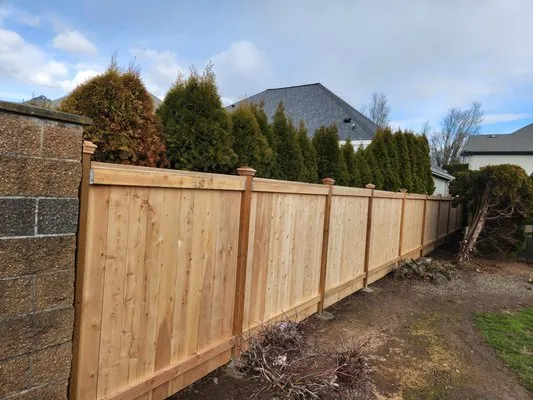
Green Space Landscape is a full-service landscaping company serving Brooks, OR, and the surrounding areas. We specialize in creating and maintaining beautiful, functional outdoor spaces with services ...
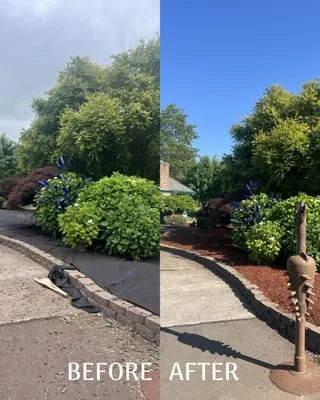
Vista Pacific is a Salem-based tree service and landscaping company led by an ISA Certified Arborist and TRAQ Qualified professional. We specialize in comprehensive tree care, including risk assessmen...
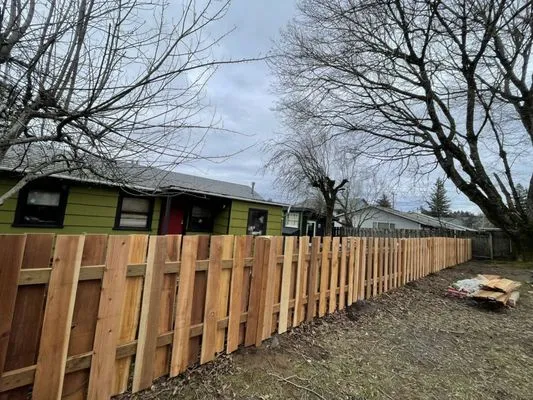
Yard Perfections is your trusted local landscaping and fencing partner in Independence, Oregon. Founded in 2014, we focus on quality craftsmanship and transparent, affordable pricing for both resident...
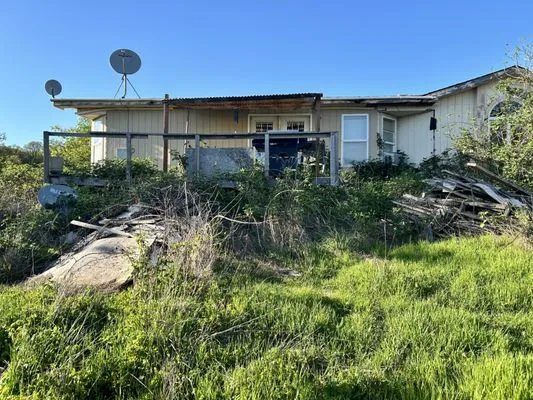
Peppers Yard Care And Clean Up is a family-owned business serving Salem, Oregon, and surrounding Marion and Polk Counties. Based in the Sunnyside area, we bring years of professional experience from w...
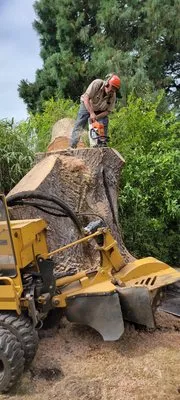
Portland Stump Grinding is a family-owned tree services and landscaping company based in Portland, OR, specializing in stump grinding and removal for homeowners, contractors, and municipalities across...
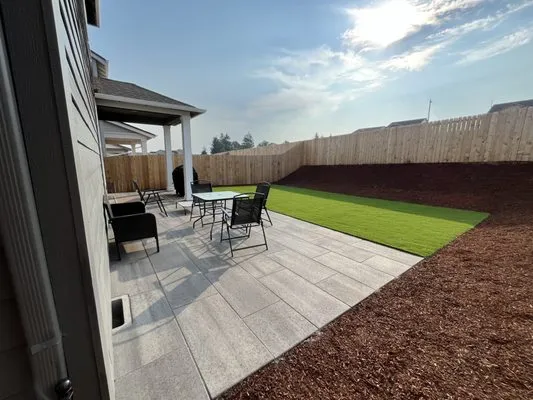
Triple J Contracting brings over a decade of combined experience to Keizer, Oregon, specializing in landscaping, general contracting, and masonry/concrete work. Founded in 2022, we focus on transformi...
Estimated Landscaping Service Costs in Lafayette, OR
Q&A
How quickly can you respond to storm damage that violates HOA landscape standards?
Emergency cleanup crews dispatch from Lafayette City Park via OR-99W, reaching Old Town properties within 20-30 minutes during peak conditions. Our electric maintenance fleet operates within standard residential noise limits while clearing debris from Tall Fescue turf. We prioritize safety hazards like fallen limbs over cosmetic issues, documenting all work for HOA compliance reporting with timestamped geolocation data.
Why choose basalt over wood for patio materials in fire-prone areas?
Basalt pavers provide non-combustible defensible space meeting Moderate WUI Zone 2 fire ratings, unlike wood decking that requires chemical treatments. The volcanic stone maintains structural integrity for 50+ years with minimal maintenance, resisting frost heave common in Lafayette's 32°F winter lows. Proper installation with 4-inch compacted gravel base prevents shifting in Willamette Silt Loam, while natural thermal mass reduces urban heat island effect compared to synthetic alternatives.
Can I maintain healthy turf while conserving water under current restrictions?
Stage 0 water restrictions allow efficient irrigation when using Wi-Fi ET-based weather sensing technology. These systems calculate evapotranspiration rates specific to Lafayette's microclimate, applying 0.75-1.25 inches weekly to Tall Fescue during peak season. Programming occurs during 4-7 AM windows to minimize evaporation loss, with soil moisture sensors preventing irrigation when precipitation exceeds 0.25 inches in the preceding 24 hours.
How do I control invasive weeds without violating fertilizer regulations?
Scotch broom and Himalayan blackberry pose the highest invasion risk in Lafayette's disturbed soils. Manual removal during early spring dormancy prevents seed spread, while targeted glyphosate applications to cut stems in October avoid phosphorus fertilizer blackout periods. Soil testing through OSU Extension confirms pH remains 5.8-6.2 before adding mycorrhizae inoculants that compete against invasive root systems without chemical dependency.
What solutions exist for persistent puddling in my Lafayette yard after rains?
Seasonal high water tables in Lafayette's clay-heavy subsoils require engineered drainage solutions. Installing French drains with clean washed gravel at 12-18 inch depths redirects subsurface flow, while permeable basalt paver installations maintain the City of Lafayette Planning Department's required 80% permeability for new hardscapes. Grading adjustments of 2% slope away from foundations prevent surface pooling in low-lying Old Town areas.
What permits and licensing are required for regrading my 0.22-acre Lafayette property?
The City of Lafayette Planning Department requires grading permits for soil movement exceeding 50 cubic yards on 0.22-acre lots. Contractors must hold Oregon Landscape Contractors Board licensing for excavation work, with bonded professionals carrying minimum $500,000 liability coverage. Erosion control plans demonstrating silt fence placement and stormwater management must accompany applications, particularly for projects affecting the seasonal high water table documented in local soil surveys.
Why does my 25-year-old Lafayette lawn struggle with compaction despite regular care?
Lafayette's Old Town neighborhood lots, developed around 2001, have Willamette Silt Loam soil that has matured for 25 years. This soil type naturally compacts over time, reducing permeability to 0.5-1.5 inches per hour. Core aeration every 2-3 years introduces oxygen channels, while incorporating 0.25 inches of compost annually rebuilds organic matter above the 3% threshold needed for healthy root development in USDA Zone 8b conditions.
Are there low-maintenance alternatives to traditional lawn that reduce noise and water use?
Replacing high-maintenance turf with native plantings like Douglas Spirea and Oregon Grape eliminates weekly mowing while providing habitat for local pollinators. These species require only 12-18 inches of annual precipitation once established, reducing irrigation demand by 70-80%. The transition supports upcoming electric equipment mandates by removing gas-blower dependency, with Camas Lily and Western Red Columbine adding seasonal interest without fertilization needs.
