Top Landscaping Services in Joseph, OR, 97846 | Compare & Call
There are 38 landscaping companies server in Joseph OR
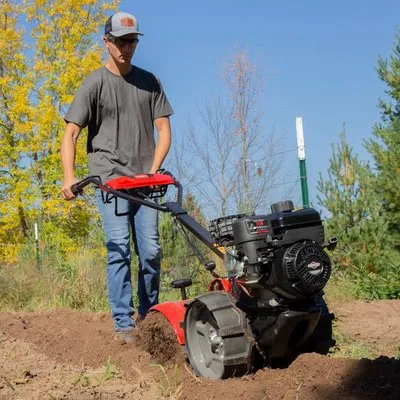
Jake's Rototilling helps La Grande homeowners prepare and maintain healthy, beautiful outdoor spaces. As a local, family-operated business, we specialize in dependable soil preparation using our profe...
360 Tree & Yard Care is a trusted, locally-owned provider serving La Grande and Union County, offering comprehensive solutions for both trees and lawns. We specialize in tackling common local landscap...
Alpine Works is a trusted landscaping company serving La Grande, Oregon, and the surrounding areas. We specialize in addressing common local landscaping challenges, particularly storm debris cleanup a...
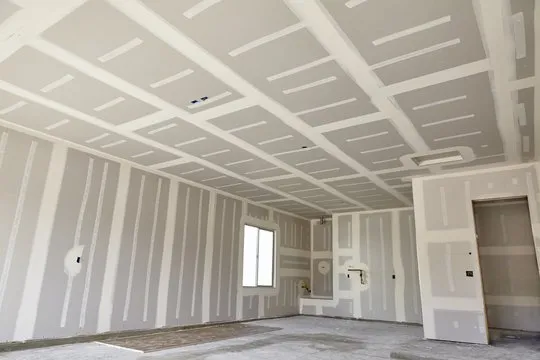
Solid Rock Construction and Renovation is a locally-owned and operated handyman and general contracting business serving Ontario, OR, and the surrounding communities. Founded by a team raised right he...
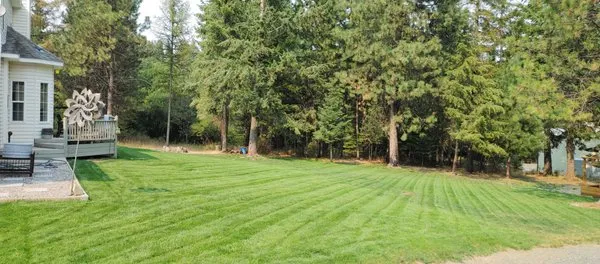
Green Dreams Landscaping is a Baker City, OR-based landscaping company dedicated to solving common local homeowner challenges like soil compaction and dying shrubs. We specialize in comprehensive soil...
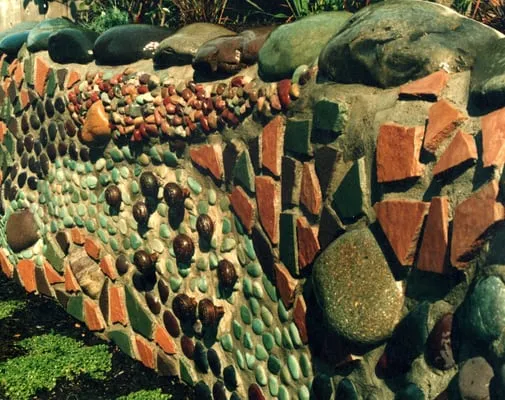
Stone Water Tree is a Baker City, OR landscaping company founded in 1998 by Michael, who brings decades of experience from his Vermont upbringing and Pacific Northwest career. Specializing in custom g...
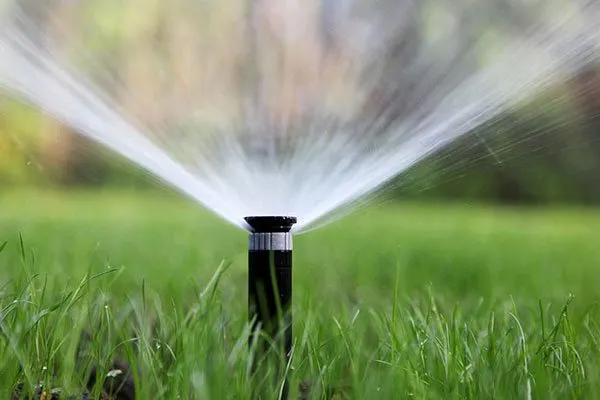
Stone Elite is a locally owned landscaping and irrigation company serving Baker City, OR. We specialize in comprehensive outdoor solutions including earthmoving, driveway construction, retaining walls...
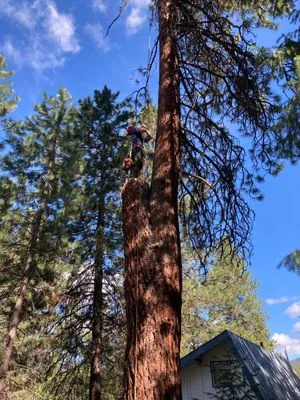
Tony's Tree Service is a family-owned business that has been serving Baker County for over 43 years, operated by the area's only local ISA Certified Arborist and ISA Qualified Tree Risk Assessor. Base...
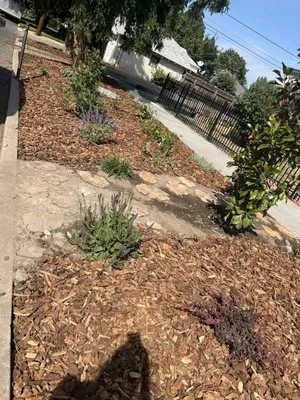
The Yardist is a woman-owned yard-care business in Baker City, Oregon, founded by Shawna with a mission to transform outdoor spaces through artistry and compassion. Specializing in serving seniors and...

Mow it Alls is a trusted, locally-owned lawn and garden service provider in Baker City, Oregon, dedicated to keeping your outdoor spaces beautiful and functional year-round. We specialize in comprehen...
Estimated Landscaping Service Costs in Joseph, OR
Common Questions
Is Basalt Flagstone a better choice than wood for a new patio?
Local Basalt Flagstone offers superior longevity and fire resistance compared to wood. Its mineral composition does not combust, contributing directly to your property's Moderate Fire Wise (WUI Zone 2) rating by creating a defensible, non-flammable zone. Flagstone also requires no sealing or replacement from rot, providing a permanent, low-maintenance surface that integrates with the regional aesthetic and withstands Joseph's freeze-thaw cycles indefinitely.
What permits and licenses are needed to regrade my quarter-acre lot?
Any significant grading or earthmoving on a 0.25-acre property in Joseph requires consultation with the Wallowa County Planning Department to check for drainage or erosion control permits. The work itself must be performed by or under the supervision of a contractor licensed by the Oregon Landscape Contractors Board. This licensing ensures compliance with state law, provides consumer protection, and guarantees that the technical standards for proper slope and water management are met.
How fast can you respond to an emergency storm cleanup to meet HOA deadlines?
For urgent compliance work, our dispatch from the Wallowa County Courthouse area via OR-82 allows for a target arrival of 45-60 minutes during peak conditions. We prioritize routes with minimal seasonal congestion to expedite debris removal and limb clearing. This ensures property safety and adherence to local ordinance deadlines, even during high-demand periods following spring snowmelt or wind events.
My yard turns into a sponge every spring. What's a permanent fix?
Spring snowmelt saturation is a chronic issue for Silty Loam soils due to their slow percolation. A graded French drain system can redirect subsurface water. For new hardscapes, specify permeable base installations using local Basalt Flagstone, which allows water to pass between joints. This approach manages runoff on-site, often meeting Wallowa County Planning Department standards for new projects and alleviating the seasonal ponding that damages turf and plant roots.
Is there a lower-maintenance, eco-friendly alternative to my traditional lawn?
Transitioning to a xeriscape with native plants like Bluebunch Wheatgrass, Lewis Flax, and Arrowleaf Balsamroot drastically reduces water, mowing, and chemical inputs. These species are adapted to Zone 5b and require no fertilization. This shift also future-proofs your property against evolving noise ordinances targeting gas-powered blowers and mowers, as native plant beds need minimal seasonal cutting and create habitat supporting 2026 biodiversity benchmarks.
Why does my 40-year-old yard in Joseph seem so compacted and tired?
Most properties in Joseph City Center were developed around 1980, meaning the soil is approximately 46 years old. In this climate, decades of foot traffic, settling, and basic maintenance have significantly reduced the permeability of the native Silty Loam. This soil type compacts easily, restricting water infiltration and root growth for your Kentucky Bluegrass. Core aeration and incorporating 1-2 inches of composted organic matter are essential to rebuild soil structure and microbial activity.
How do I keep my lawn green during Stage 1 water restrictions?
Soil Moisture Sensor-based controllers are the definitive solution for Joseph's voluntary conservation stage. These devices override preset schedules, irrigating only when the root zone moisture drops below a specific threshold. This technology prevents overwatering, directly addressing the common issue of spring saturation. It maintains Fine Fescue blends efficiently, often reducing total water use by 20-30% while keeping turf health optimal within municipal guidelines.
What invasive weeds should I watch for, and how do I treat them safely?
Joseph faces threats from invasive species like Cheatgrass and Canada Thistle. Manual removal before seed set is most effective. For chemical control, use a targeted, low-phosphorus herbicide applied in late spring or fall, aligning with regional Best Management Practices. Avoid blanket applications and respect any seasonal blackout dates to protect local waterways. Always identify the species first, as treatment timing is critical for efficacy and environmental safety.
