Top Landscaping Services in Hood River, OR, 97031 | Compare & Call
There are 21 landscaping companies server in Hood River OR
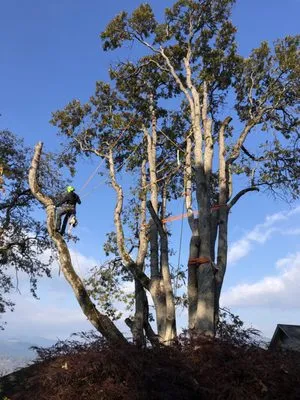
A Life With Trees, LLC, is a Hood River tree and landscape service founded on a 25-year passion for arboriculture. Owner and certified arborist Ryan Cafferky started the company in 2011, bringing over...
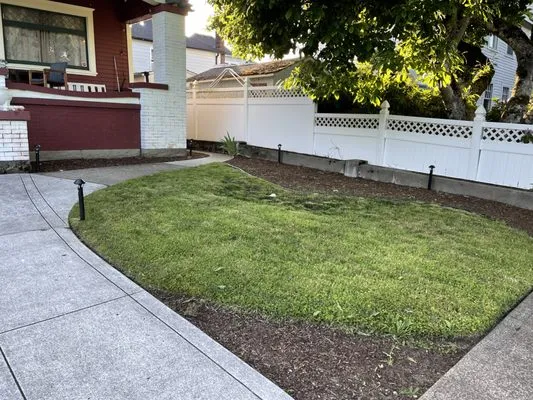
Hamilton Landscape & Lawn Care is a trusted Hood River, OR, provider specializing in comprehensive lawn services and irrigation solutions. Serving local homeowners, we address common regional landscap...
Mount Hood Gardens, Inc is a trusted landscaping company serving Hood River, Oregon, with comprehensive outdoor solutions. Specializing in gardening, irrigation design, landscape design, maintenance, ...
Garden Gates Landscape Designer Contractor has been transforming outdoor spaces in Hood River and surrounding areas since 1983. As an independently owned company with over 24 years of dedicated servic...
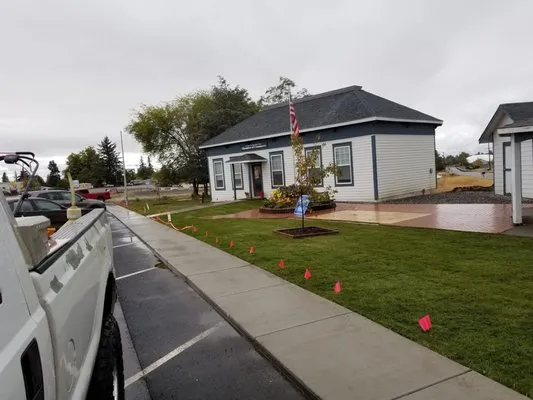
Brewster N Sons has been a trusted local presence in Dufur and the Columbia River Gorge since 2015. Founded as a dedicated lawn maintenance company, we've grown to offer comprehensive landscaping serv...
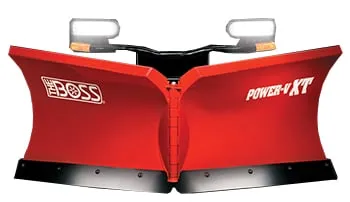
Founded in 2009 by a lifelong Hood River resident, Ayles Services is a locally owned and operated business dedicated to solving the area's unique winter challenges. We specialize in comprehensive snow...
Environmentally Experienced
Environmentally Experienced is a locally owned and operated home services company based in Hood River, OR, with over 20 years of expertise in landscaping, junk removal, and tree services. Our skill se...
HR Lawn Care Services is a trusted local lawn care provider in Hood River, OR, dedicated to helping homeowners maintain healthy, beautiful lawns. We specialize in comprehensive lawn care solutions tha...
Hood River House Sitters is a family-operated business with deep roots in the Columbia River Gorge, serving the Hood River community for over 16 years. With a combined 28 years of experience in reside...
Green Gardens is a trusted local gardening and lawn care service based in Hood River, OR, dedicated to keeping your outdoor spaces healthy and beautiful year-round. We specialize in addressing common ...
Estimated Landscaping Service Costs in Hood River, OR
Common Questions
How do I manage invasive species without violating fertilizer restrictions?
Himalayan blackberry and Scotch broom present the highest invasion risks in Hood River's moderate WUI Zone 2. Manual removal during dry periods prevents resprouting, while targeted spot treatments with EPA-approved herbicides avoid phosphorus runoff concerns. Timing interventions outside the statewide phosphorus restriction blackout dates ensures compliance while protecting watershed health. Soil testing after removal determines if mycorrhizae inoculants can restore biological balance without synthetic fertilizers.
Why does my soil in The Heights neighborhood seem compacted and unproductive?
Hood River homes built around 1981 have soil that has matured for approximately 45 years. The Heights neighborhood sits on Andic Xerochrepts soil with a slightly acidic pH of 6.1-6.5, which tends to compact over decades of standard maintenance. This volcanic ash-derived soil benefits from annual core aeration to improve oxygen exchange and organic amendments like compost to enhance microbial activity. Without these interventions, water infiltration decreases and root development becomes restricted in established landscapes.
What licensing is required for grading work on my 0.22-acre property?
The Oregon Landscape Contractors Board requires specific licensing for any grading that alters more than 100 cubic yards of soil or affects drainage patterns. On a 0.22-acre lot, even modest regrading typically exceeds this threshold and requires OLCB-certified professionals. The Hood River Planning Department may additionally require erosion control permits if work disturbs steep slopes or modifies runoff patterns. Unlicensed grading risks significant fines and can void property insurance in this geologically active region.
What are alternatives to high-maintenance turf that reduce noise and water use?
Replacing turf sections with Oregon Grape, Serviceberry, Red-flowering Currant, and Lewis Mock Orange creates biodiversity corridors that require minimal irrigation once established. These natives support local pollinators while eliminating weekly mowing and gas-powered equipment use ahead of tightening noise ordinances. The transition to electric maintenance fleets complements this approach, reducing both acoustic pollution and carbon emissions. This strategy aligns with 2026 biodiversity standards for residential landscapes in fire-prone regions.
How quickly can you respond to an emergency cleanup after a windstorm?
Our electric maintenance fleet can dispatch from the Hood River County Courthouse area within 15-20 minutes during peak storm conditions. We route via I-84 to The Heights neighborhood, adhering to weekday operation hours of 7am-7pm under standard decibel limits. This rapid response ensures HOA compliance for debris removal while minimizing disruption through quiet electric equipment operation. The timeline accounts for typical post-storm traffic patterns in the Columbia River Gorge region.
What solutions address moderate runoff issues on my property?
Andic Xerochrepts soil's volcanic ash composition creates moderate permeability challenges that exacerbate runoff. Installing permeable basalt paver systems allows water infiltration while meeting Hood River Planning Department stormwater standards. French drains with clean gravel layers redirect subsurface flow, and rain gardens planted with native species provide biological filtration. These approaches work synergistically to manage the 0.22-acre lot's hydrology without overwhelming the soil's natural absorption capacity.
How do I maintain my Tall Fescue blend during Hood River's voluntary water conservation?
Smart Wi-Fi ET-based controllers calculate evapotranspiration rates specific to your microclimate, applying water only when soil moisture drops below optimal levels. These systems typically reduce water use by 20-30% compared to traditional timers while preserving Tall Fescue health. During Stage 0 voluntary conservation, programming deep, infrequent watering cycles encourages deeper root growth and drought tolerance. The technology automatically adjusts for Hood River's seasonal precipitation patterns without violating municipal guidelines.
Why choose basalt pavers over wood for patios in fire-prone areas?
Basalt pavers provide non-combustible surfaces that maintain defensible space requirements for Moderate Fire Wise ratings in WUI Zone 2. Unlike wood decking that requires chemical treatments and eventual replacement, basalt offers centuries of durability with minimal maintenance. The material's thermal mass moderates temperature extremes, and its natural permeability supports soil health beneath installations. For The Heights neighborhood's volcanic soil conditions, basalt integrates aesthetically while exceeding fire safety standards.
