Top Landscaping Services in Dayton, OR, 97114 | Compare & Call

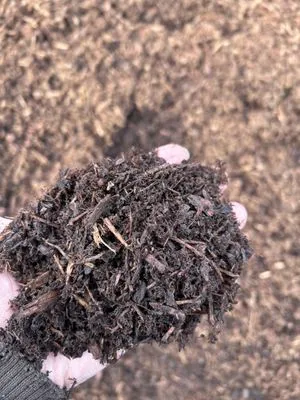
Two Guys Bark Blowing is a Dayton-based landscaping service specializing in bark blowing and mulch installation. With 25 years of experience, we focus exclusively on delivering and precisely placing m...
C and D Landscape Co.
C and D Landscape Co. has been serving Dayton and the Willamette Valley since 1977, founded by local residents Calvin and Deborah Kearns. What began as a one-person operation has grown into a full-ser...
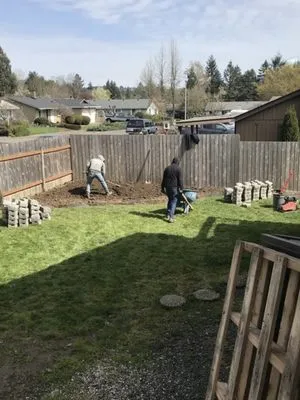
Sierra Lake Landscape Maintenance is a licensed and bonded company serving Dayton, OR, and the surrounding area with over 12 years of expertise. We specialize in comprehensive landscape solutions for ...
Vargas Lawn Care & Cedar Fencing is a Dayton-based company dedicated to solving common local lawn and landscaping challenges. Many homeowners in the area struggle with persistent weed infestations and...

Westwind Landscape Services
Westwind Landscape Services is Dayton, Oregon's trusted partner for creating beautiful, functional, and resilient outdoor spaces. We specialize in custom landscape design that directly addresses commo...
Marquez Landscaping is a Dayton-based landscaping company dedicated to enhancing outdoor spaces for local homeowners and businesses. We specialize in addressing common regional challenges like lawn fu...
MB Lawn and Garden Hardscape and Maintenance
MB Lawn and Garden Hardscape and Maintenance has been a trusted, licensed landscaping service in Dayton, Oregon, for over a decade. Our team specializes in creating durable and beautiful outdoor space...
Weed Man in Dayton, OR is a local lawn care and pest control service dedicated to keeping Dayton yards healthy and beautiful. We specialize in comprehensive lawn care solutions tailored to the specifi...
Greener Side is a locally owned and operated business in Dayton, OR, built on the simple, hardworking values of Yamhill County. We're not a big franchise; we're two friends who grew up here, understan...
West Coast Land Renewal
West Coast Land Renewal is built on a lifetime of connection to the land. Growing up in a family rooted in Oregon's farming and logging traditions, I learned early the importance of careful land manag...
Questions and Answers
My Dayton home was built in the 1970s. Why does the soil feel so compacted and what should I do about it?
Dayton City Center homes, averaging 50 years old, have established Willamette Silt Loam soils. While fertile, decades of foot traffic and standard maintenance have reduced soil structure, leading to poor permeability. Your soil pH of 6.1-6.5 is suitable, but compaction limits root growth and water infiltration. Core aeration in spring or fall, followed by a top-dressing of compost, will reintroduce oxygen and organic matter, revitalizing soil biology and improving percolation.
We have a major tree limb down after a storm and need an emergency cleanup to meet HOA rules. How quickly can a crew arrive?
For emergency storm response in Dayton, our primary dispatch routes from Dayton Courthouse Square Park via OR-18. Given typical post-storm traffic, we plan for a 25-35 minute arrival window to your neighborhood. Our electric-powered chippers and loaders comply with the city's 7:00 AM start time, allowing for immediate, efficient debris removal to restore safety and achieve compliance without noise ordinance violations.
I've spotted what looks like invasive English Ivy and Himalayan Blackberry. How do I remove them safely?
Correct identification is critical, as both are aggressive invaders in our area. For established patches, a phased approach is best: cut vines at the base, carefully dig out root crowns, and apply a targeted, systemic herbicide to fresh cuts in fall when native plants are dormant. This method minimizes chemical use and respects statewide riparian area phosphorus restrictions. Never compost this material; bag and dispose of it with yard waste to prevent re-establishment.
I'm tired of weekly mowing and gas blower noise. What's a quieter, lower-maintenance alternative to my lawn?
Transitioning to a native plant palette directly addresses both concerns. Species like Oregon Grape, Douglas Aster, and Red-flowering Currant are adapted to Zone 8b, require minimal water once established, and need no mowing or blowing. This xeriscape approach drastically reduces maintenance, allowing compliance with tightening noise ordinances on gas equipment. It also provides superior habitat, aligning with 2026 biodiversity goals and your community's Firewise USA standards by creating defensible space with fire-resilient plants.
How can I keep my Tall Fescue lawn green during summer without wasting water or violating conservation guidelines?
Voluntary conservation in Dayton necessitates precision. Wi-Fi ET-based weather sensing controllers are the standard. They automatically adjust irrigation schedules by calculating real-time evapotranspiration (ET) rates, subtracting any rainfall. This system delivers water only when and where your grass blend needs it, often reducing usage by 20-30%. Properly programmed, it maintains turf health within municipal water limits by preventing the common overwatering that exacerbates our seasonal high water table issues.
Water pools in my yard every winter. What's a permanent solution that also looks good?
This is a classic symptom of Willamette Silt Loam's poor infiltration combined with our seasonal high water table. Surface regrading alone is insufficient. A integrated solution involves installing a French drain system to intercept subsurface water and directing runoff to a dry well or rain garden. Using permeable materials like crushed river rock for paths and basalt pavers set on a sand base increases ground absorption and can help your project meet Dayton Planning & Building Department's stormwater runoff standards.
We want to regrade our backyard for better drainage. Do we need a permit, and what should we look for in a contractor?
Yes, significant regrading on a 0.22-acre lot typically requires a permit from the Dayton Planning & Building Department to ensure compliance with drainage and erosion codes. Legally, any contractor performing this work must hold a license from the Oregon Landscape Contractors Board (OLCB). Hiring an OLCB-licensed professional is non-negotiable; it guarantees they carry required insurance, understand soil mechanics, and will secure necessary permits, protecting you from liability and substandard work that could worsen drainage issues.
We're adding a patio. Are basalt pavers a better long-term choice than wood decking for our climate?
In Dayton's climate, basalt pavers offer superior longevity and lower lifecycle maintenance compared to wood. Basalt is a locally sourced volcanic stone with high compressive strength, resistant to freeze-thaw cycles and moisture. For fire safety in this Moderate risk zone, non-combustible hardscape like pavers or crushed river rock creates essential defensible space. A properly installed paver patio on a compacted gravel base will last decades with minimal upkeep, while wood requires regular sealing and is vulnerable to rot.
