Top Landscaping Services in Culver, OR, 97734 | Compare & Call

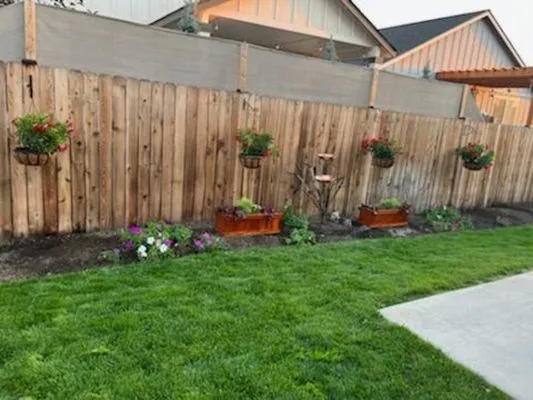
SJ Lawn & Maintenance is a full-service landscaping company serving homeowners and businesses in Culver, OR. We specialize in solving common local landscaping challenges like soil compaction and sprin...
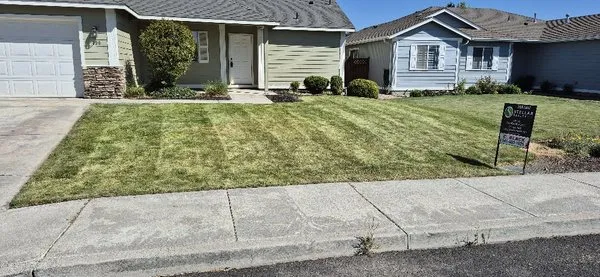
Mendoza Lawn & Turf Care is a local, youth-owned business rooted in Culver, Oregon. Operated by a dedicated FFA member, every job is approached with determination and a strong work ethic, with earning...
Crooked River Defensible Space and Property Care is a Culver-based landscaping company dedicated to helping local homeowners maintain beautiful, functional, and safe outdoor spaces. We specialize in a...
Common Questions
Are basalt pavers a good choice for a patio, considering fire risk and longevity?
Basalt pavers are superior for longevity and fire resistance. Unlike wood, basalt is non-combustible and will not degrade from moisture or insects. For properties in Moderate Fire Wise (WUI Zone 2) areas, using non-flammable hardscape materials like basalt to create defensible space is a recommended practice. It provides a durable, low-maintenance surface that meets safety and aesthetic requirements for decades.
A storm damaged trees and I need emergency cleanup to meet HOA compliance. How fast can you respond?
For emergency storm response, we can dispatch a crew from our staging area near Culver City Park. Traveling via US-97 into Culver City Center allows for arrival within the 20-30 minute window during peak conditions. Our electric equipment fleet operates quietly within standard noise ordinance hours, enabling immediate work upon arrival to secure the property and remove hazards.
How can I keep my Kentucky Bluegrass healthy under Stage 1 water restrictions?
Wi-Fi ET-based weather-sensing irrigation is the standard for compliance. The system automatically adjusts watering schedules based on real-time evapotranspiration data, applying water only when the turf needs it. This technology can reduce water use by 20-30% while preserving the cool-season grass. Deep, infrequent watering cycles encourage deeper root growth, making the lawn more drought-resilient within voluntary conservation limits.
Water pools briefly then vanishes. Is our sandy soil's rapid percolation a problem?
High infiltration in alkaline Sandy Loam leads to rapid percolation, which can leach nutrients and water past root zones before plants can absorb them. It's a form of drainage hazard. Using permeable basalt pavers for hardscaping helps slow runoff and allows groundwater recharge, meeting Jefferson County Community Development standards for stormwater management. Amending soil with organic matter also improves its water-holding capacity.
Do I need a permit to regrade my 0.25-acre lot, and who should do the work?
Yes, significant grading on a 0.25-acre lot typically requires a permit from Jefferson County Community Development to ensure proper drainage and erosion control. The work must be performed by a contractor licensed by the Oregon Landscape Contractors Board (LCB). The LCB license is mandatory for any project involving earth movement, irrigation, or drainage on this scale, protecting you from liability and ensuring code compliance.
Our yard seems to struggle. What's the history of our soil here in Culver City Center?
Properties built around 1993, like many in this neighborhood, sit on alkaline Sandy Loam (pH 7.6 - 8.2). This soil profile is 33 years old, meaning it's likely compacted and depleted of organic matter. The high alkalinity locks up essential nutrients like iron and phosphorus. Core aeration and amendments of composted organic matter are critical to lower pH and improve soil structure for healthy root development.
What invasive species should I watch for, and how do I treat them safely?
In this region, watch for invasive weeds like cheatgrass and knapweed that thrive in disturbed, alkaline soils. Manual removal is most effective for small infestations. For larger issues, targeted herbicide application must follow statewide NPK best practices to prevent runoff into the rapid-percolation soil. Treatments must avoid blackout dates, typically during peak spring growth and summer heat, to protect groundwater and non-target plants.
I want to reduce mowing and gas-blower noise. What are my options?
Transitioning from high-maintenance turf to a landscape of native plants like Big Sagebrush, Antelope Bitterbrush, Blanketflower, and Western Yarrow is a forward-thinking solution. These plants require no mowing, minimal water, and support local biodiversity. This shift also preempts tightening noise ordinances targeting gas-powered equipment. An established native garden needs only occasional hand-pruning, aligning with electric fleet operations.
