Top Landscaping Services in Corvallis, OR, 97330 | Compare & Call
There are 120 landscaping companies server in Corvallis OR
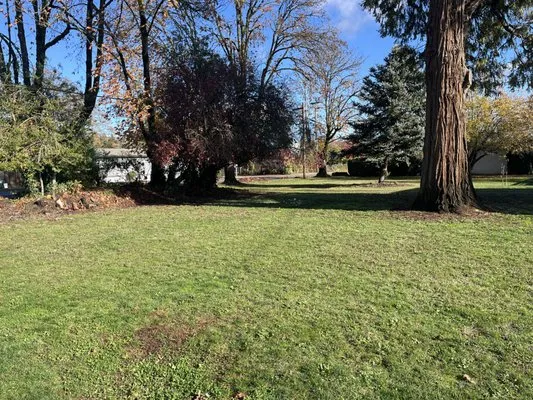
Jimenez Landscaping is a trusted local landscaping company serving Albany, OR, and surrounding areas. With expertise in gardening, irrigation, landscape construction, design, and maintenance, we help ...
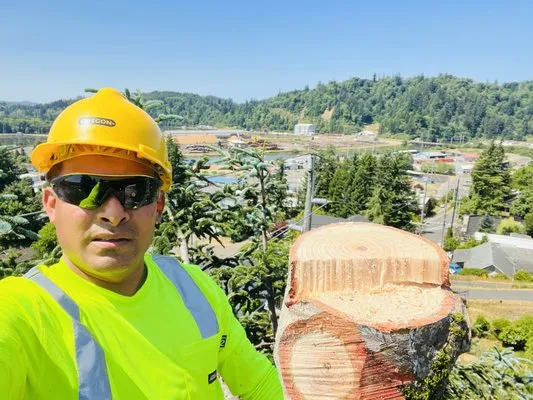
jjj tree services is a trusted, full-service tree and landscape company serving Newport and the surrounding Oregon Coast. We specialize in comprehensive tree care, including pruning, removal, and dise...
For over a decade, Custom Landscape & Yard Maintenance has been a trusted partner for homeowners and businesses in Corvallis, Albany, and Philomath. We understand the unique challenges of maintaining ...
The VLC Yard Maintenance is a trusted lawn care provider serving homeowners in Corvallis, OR. We specialize in comprehensive lawn care services designed to address common local landscaping challenges,...
Rainbow Yard Service
Rainbow Yard Service is a trusted local provider in Corvallis, OR, specializing in tree services, pressure washing, and landscaping. We help homeowners tackle common local landscaping issues like bare...
Drapes and Landscapes is a Corvallis-based landscaping company dedicated to solving common local yard problems. Many homes in the area face issues like soil compaction and landscape edging damage, whi...
Superior Lawn Care in Corvallis, OR, specializes in tackling the most common local lawn challenges. We understand that homeowners here frequently deal with persistent moss growth and stubborn weed inf...
Based in Corvallis, Dunn & Company Tree Services LLC is a locally owned and operated provider serving Benton and Linn counties. Owner Bill Dunn, an ISA Certified Arborist, brings a deep understanding ...
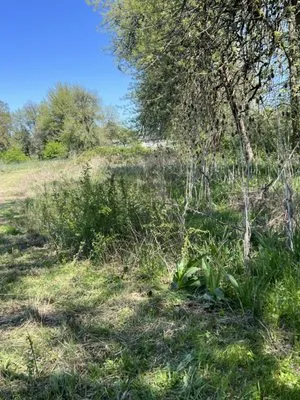
Lemus Landscaping provides comprehensive landscape solutions for McMinnville properties. We handle everything from initial design and major construction to ongoing maintenance and specialized plant ca...
Maple Creek Landscaping provides professional, reliable landscaping services for homeowners throughout Corvallis, OR. We understand the common local challenges, like struggling shrubs and poor lawn gr...
Estimated Landscaping Service Costs in Corvallis, OR
FAQs
A storm just downed a large limb. How fast can you get here for an emergency cleanup?
For urgent HOA or safety compliance, our electric fleet can be dispatched from our central staging area near the Oregon State University Memorial Union. Traveling via OR-99W to the College Hill area typically requires 20-30 minutes during peak hours, with minor delays during major storm events. We coordinate directly with the city for right-of-way clearance permits if the debris impacts public access.
Our soil feels tired and compacted. What's the history behind this?
Homes in the College Hill neighborhood, with an average build year of 1979, have mature landscaping on established Willamette Silt Loam. Over nearly 50 years, foot traffic and routine maintenance have significantly reduced soil porosity and microbial activity in the topsoil layer. This silt loam, naturally prone to compaction, now requires annual core aeration and the addition of composted organic matter to restore structure and water infiltration.
Why is proper licensing so important for landscaping and grading work?
Significant grading or earthwork on a 0.15-acre lot can impact drainage patterns and structural integrity, requiring permits from the Corvallis Development Services Division. The Oregon Landscape Contractors Board (LCB) license ensures a contractor carries the necessary insurance, bonding, and technical knowledge to execute this work legally and safely. Hiring an LCB-licensed professional protects you from liability and guarantees adherence to all state construction practice standards.
How do I keep my lawn green during voluntary water conservation?
Stage 1 voluntary conservation in Corvallis is best managed with Wi-Fi ET-based smart controllers. These systems use local weather station data to apply water only when your Perennial Ryegrass and Tall Fescue blend actually needs it, preventing overwatering. Properly calibrated, this technology can reduce outdoor water use by 15-30% while maintaining turf health, keeping you well within municipal guidelines and lowering your utility bill.
Is a wooden deck or a stone patio better for our moderate fire risk area?
For durability and fire-wise landscaping in our Moderate Wildland-Urban Interface rating zone, basalt flagstone or permeable paver patios are superior to wood. These non-combustible materials create essential defensible space near your home and have a much longer lifespan with minimal maintenance. Their inherent permeability also manages runoff, complementing the fire-resistant landscape design required for long-term safety and resilience.
What are the biggest threats to my garden's health, and how do I treat them safely?
In our area, invasive species like Himalayan Blackberry and English Ivy pose significant threats, outcompeting natives and damaging structures. Safe treatment involves targeted manual removal or precise, permitted herbicide applications during active growth phases, always following the Corvallis Clean Water Act compliance rules for low-phosphorus, non-aquatic products. It is critical to avoid treatment blackout dates before forecasted rain to prevent watershed contamination.
Our yard is a soggy mess every spring. What's the solution?
This is a classic symptom of our region's high seasonal saturation and the poorly drained clay subsoils beneath the Willamette Silt Loam. Effective solutions include installing French drains, creating rain gardens with native plants, and regrading to direct water away from foundations. Using permeable pavers for patios or walkways also increases ground absorption and can help projects meet the Corvallis Development Services Division's stormwater runoff standards.
I'm tired of weekly mowing and noisy gas blowers. Are there quieter, low-maintenance options?
Absolutely. Transitioning sections of high-input turf to a climate-adaptive xeriscape featuring natives like Oregon Grape, Douglas Spirea, and Red-flowering Currant drastically reduces mowing, watering, and fertilization needs. This shift aligns with evolving noise ordinances restricting commercial gas-powered equipment and supports 2026 biodiversity targets. The deep root systems of these plants also improve soil structure and drought resilience.
