Top Landscaping Services in Clackamas, OR, 97015 | Compare & Call

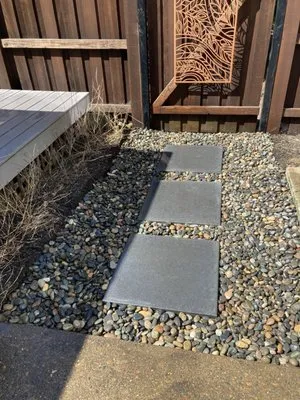
Portland Rock & Landscape Supply has been a trusted local resource in Clackamas since 2010, providing quality landscaping materials for both contractors and DIY homeowners. We specialize in a wide sel...
Landscape East & West
I was born and raised in Florence, Oregon, and after a successful corporate career, I followed my passion for the outdoors and purchased Landscape East & West in 2007. My goal is to combine great cust...
Scott Nelson Landscaping is a Clackamas-based landscaping company serving homeowners and businesses throughout the area. We specialize in comprehensive landscaping solutions including driveway and wal...
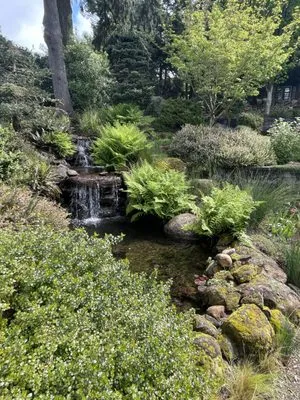
Viridian Landscaping is a Clackamas-based landscape design, build, and restoration company serving homeowners and businesses throughout the area. We specialize in creating and maintaining beautiful, f...
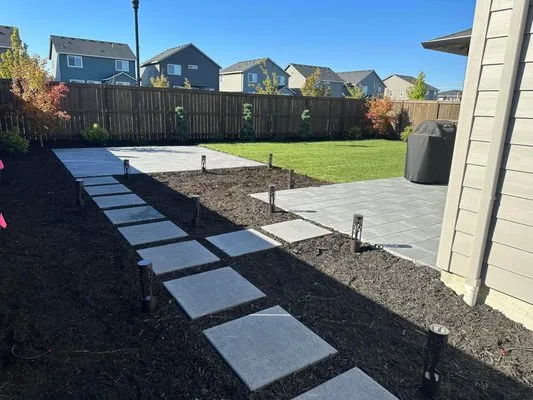
NW Quality Construction & Hardscape is a licensed landscaping and construction company serving Clackamas, Oregon, specializing in comprehensive outdoor transformations. We focus on quality workmanship...
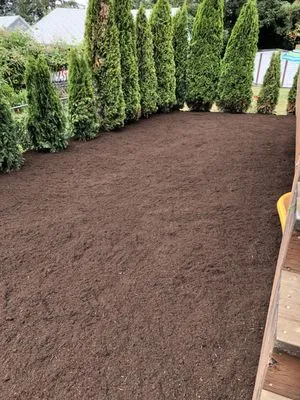
Shannon Landscaping is a trusted Clackamas-based landscaping company specializing in comprehensive outdoor solutions for residential and commercial properties. We address common local issues like yard...
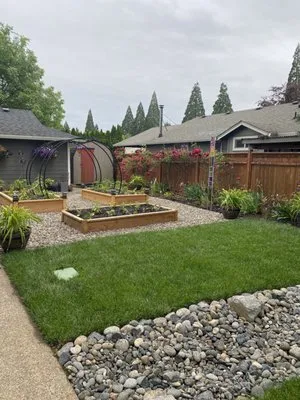
Greencare Landscape Maintenance
Greencare Landscape Maintenance is a full-service landscaping company serving Clackamas, OR, specializing in both natural and artificial solutions for residential properties. We address common local i...
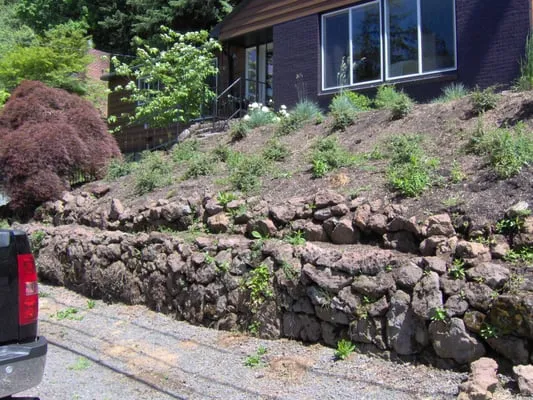
LBD Landscaping
LBD Landscaping has been serving Clackamas County and the Portland metro area since 1994, bringing over 30 years of combined expertise to every project. As a licensed Oregon Landscape Contractors Boar...
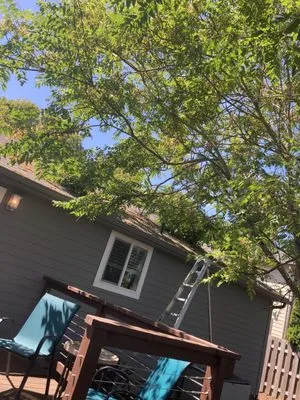
Immaculate Outdoor Services is a family-owned landscaping business serving Clackamas County, Oregon. Founded by Alex, who brings experience from farming, construction, and machine operation, the compa...

Sense of Place Permaculture is an EcoBiz-certified landscaping and tree care service in Clackamas, OR, specializing in sustainable practices. Led by an ISA Certified Arborist and licensed with the Ore...
FAQs
Is replacing part of my lawn with native plants worth the effort?
Absolutely, and it aligns with emerging 2026 standards for landscape infrastructure. Replacing high-input turf with a palette of Douglas Spirea, Oregon Grape, Western Red Columbine, and Salal reduces mowing frequency, eliminates fertilizer needs near waterways, and slashes irrigation demand. This transition also future-proofs your property against tightening noise ordinances by removing the need for gas-powered blowers and mowers.
Why does our lawn struggle so much compared to older neighborhoods?
Homes built in 1991 in the Clackamas Town Center District sit on soil with a 35-year development history. The underlying Jory Silty Clay Loam is prone to compaction from construction and standard lawn care, reducing soil percolation and root penetration. This compaction, combined with the naturally acidic pH of 5.5-6.0, limits nutrient availability for turfgrass. Core aeration and incorporating composted organic matter are required interventions to rebuild soil structure and biology.
Are Basalt Pavers a better choice than wood for a new patio?
For durability and fire resilience, Basalt Pavers are superior. They are non-combustible and provide a permanent, low-maintenance surface that won't rot or splinter. In Clackamas's Moderate Fire Wise rating zone, using non-flammable hardscape materials like basalt is a recommended practice for creating defensible space. While the initial cost is higher, its longevity and compliance with Wildland-Urban Interface (WUI) guidelines offer significant long-term value.
How quickly can you respond for an emergency storm cleanup to meet HOA compliance deadlines?
Our electric maintenance fleet is dispatched for emergency service from our base near Clackamas Community Park. Using I-205, peak storm response time to the Town Center District is 20-30 minutes. Electric equipment allows us to operate within decibel limits immediately upon arrival, even before the 7:00 AM ordinance lift, facilitating rapid debris removal and branch clearing to secure your property and maintain HOA compliance.
What's taking over my flower beds, and how do I stop it safely?
You are likely describing either Himalayan Blackberry or English Ivy, both pervasive invasive species in Clackamas. Manual removal is most effective, followed by a targeted, organic spot treatment if necessary. Any application must strictly adhere to the local nitrogen-limited fertilizer ordinance, avoiding blackout dates near waterways. Promoting dense growth of your native plants is the best long-term defense against reinvasion.
Do I need a permit to regrade my backyard?
On a 0.22-acre lot, any grading that alters water flow or involves significant cut and fill likely requires a permit from the Clackamas County Planning and Zoning Division. Furthermore, this work must be performed by a contractor licensed by the Oregon Landscape Contractors Board (LCB). The LCB license ensures the contractor carries proper insurance and bonding, protecting you from liability for improper drainage that could affect neighboring properties.
Will my Tall Fescue lawn survive Stage 1 water restrictions?
Yes, with precise management. Wi-Fi ET-based weather-sensing irrigation is calibrated to apply water only when evapotranspiration data indicates plant need. This system adjusts for daily rainfall and humidity, often reducing water use by 20-30% compared to timer-based schedules. For your Tall Fescue and Kentucky Bluegrass blend, this means deep, infrequent watering during early morning hours to maximize efficiency and stay well within voluntary conservation guidelines.
Our yard pools water every spring. What's the long-term fix?
This is a classic symptom of Jory Silty Clay Loam's low permeability combined with our region's seasonal high water table. Surface grading alone is insufficient. A subsurface solution, like a French drain system tied to a dry well, is often necessary. For any new patios or walkways, specifying permeable jointing for Basalt Pavers can significantly reduce runoff, helping projects meet Clackamas County Planning and Zoning Division stormwater standards.
