Top Landscaping Services in Cave Junction, OR, 97523 | Compare & Call


Idaho Joe Home & Landscape
Idaho Joe Home & Landscape is a trusted, full-service provider in Cave Junction, OR, specializing in lawn services, handyman work, and landscape design. We help local homeowners tackle common landscap...
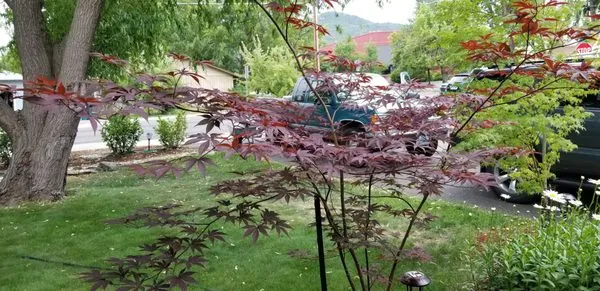
Pacific Northwest Gardens is a locally-owned landscaping and gardening business serving Cave Junction, Oregon, and the surrounding rural areas. With over five years of experience, we specialize in com...
Frequently Asked Questions
Part of my yard turns into a seasonal bog. What's a lasting solution for this poor drainage?
Seasonal waterlogging is a common symptom of slow percolation in Cave Junction's clay loam soils. A primary solution is installing a French drain or dry creek bed using local river rock, which provides high permeability. For patios or walkways, specifying basalt flagstone set on a gravel base creates a permeable hardscape that meets Josephine County Community Development's standards for managing stormwater runoff on-site, effectively diverting water away from saturated areas.
We need significant grading and a retaining wall. What permits and contractor qualifications are required?
On a 0.35-acre lot, any grading that alters drainage patterns or involves a retaining wall over 4 feet typically requires a permit from Josephine County Community Development. You must hire a contractor licensed by the Oregon Landscape Contractors Board (LCB), which ensures they carry bonding, insurance, and have passed exams on state law and best practices. The LCB license is mandatory for this structural work, protecting you from liability and ensuring the project meets engineering and erosion control standards.
With Stage 1 water conservation in effect, how do I keep my Tall Fescue lawn green without wasting water?
Effective irrigation under voluntary conservation requires precision. A Wi-Fi ET-based system uses local weather station data to apply only the water lost to evapotranspiration, which is crucial for Tall Fescue's deep root system. We program zones to water deeply and infrequently, typically 2-3 times per week in peak season, promoting drought resilience. This method often uses 20-30% less water than traditional timers while maintaining turf health and complying with municipal guidelines.
Our Cave Junction Central yard seems compacted and struggles to grow grass. Is this just the local soil?
Lots in Cave Junction Central, developed around 1995, have had about 31 years for soil to settle. The prevalent ultisols—a clay loam with a pH of 5.5-6.5—naturally compact over time, especially with standard construction practices. This compaction reduces permeability and oxygen to roots, explaining the poor turf performance. Annual core aeration and top-dressing with 1-2 inches of compost are critical to rebuild soil structure and increase organic matter content for healthier plant growth.
I want a low-maintenance, quiet yard. Is replacing grass with native plants a good strategy?
Transitioning to a native plant palette is a forward-looking strategy for noise and maintenance reduction. Species like Oregon Grape, Western Redbud, and Serviceberry are adapted to local Zone 8b conditions, requiring minimal supplemental water and no gas-powered leaf blowers once established. This shift aligns with evolving noise ordinances targeting commercial equipment and supports local biodiversity, creating a resilient landscape that conserves resources and reduces weekly upkeep.
We're adding a patio. Is local basalt flagstone a better choice than a wooden deck for our high fire-risk area?
In Cave Junction's High Fire Wise Zone 2, non-combustible materials are critical for defensible space. Local basalt flagstone and river rock are superior to wood for longevity, fire resistance, and minimal maintenance. A properly installed stone patio creates a durable, ignition-resistant zone adjacent to your home. This material choice directly supports WUI compliance by eliminating flammable fuels in the immediate vicinity of the structure, a key requirement for insurance and safety.
A storm brought down branches. How fast can a crew respond for emergency cleanup on my property?
For emergency storm response, our routing prioritizes the US-199 corridor from the Shop Smart intersection. During peak conditions, expect a 45-60 minute dispatch window to reach most Cave Junction Central addresses. Crews coordinate with local utilities to clear access roads first. This timeframe accounts for navigating debris and adhering to Josephine County's noise ordinance, which prohibits commercial equipment operation before 7 AM.
I've spotted invasive English Ivy. How do I remove it without harming nearby trees or violating local rules?
English Ivy control requires a methodical approach to protect tree health and water quality. Manual removal of vines from tree trunks is the first step, followed by careful application of a targeted, systemic herbicide to cut stems, avoiding soil broadcast. This precise method prevents chemical runoff, ensuring compliance with Oregon's fertilizer and pesticide ordinances that protect riparian zones. For large infestations, smothering with cardboard and mulch is an effective organic alternative.
