Top Landscaping Services in Canyonville, OR, 97417 | Compare & Call
There are 45 landscaping companies server in Canyonville OR
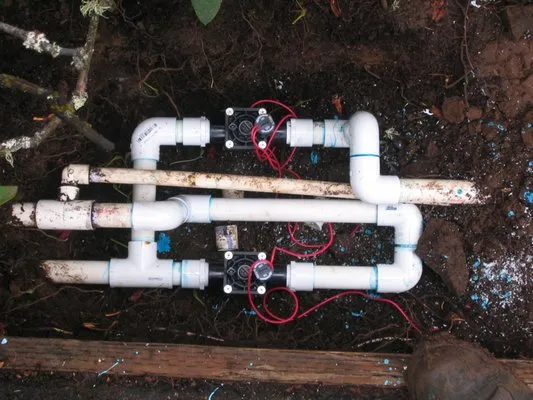
TBI Land Management is a locally owned and operated business serving Oakland, OR, with over 30 years of industry experience. Specializing in landscaping, fencing, gates, and excavation, we provide com...
Premium Property Restoration and Care is a dedicated lawn service provider in Roseburg, OR, specializing in comprehensive lawn care solutions tailored to the region's unique challenges. Many Roseburg ...
Wilde Landscaping Maintenance is a Winston-based landscaping company dedicated to keeping local properties healthy and beautiful. We specialize in comprehensive landscape care, including irrigation re...
My passion for property care started as a kid right here in Douglas County, inspired by my dad's work as a logger and running heavy equipment. I grew up splitting firewood, running machinery, and main...
At Supernova Roofing Landscaping in Myrtle Creek, OR, we take pride in transforming local outdoor spaces. Our team is dedicated to providing effective and reliable service for both your home's exterio...
Estimated Landscaping Service Costs in Canyonville, OR
FAQs
Is basalt flagstone a good choice for a new patio, considering fire safety and longevity?
Basalt flagstone is a superior mineral hardscape compared to combustible wood decks, especially in High Fire Wise Zone 2 areas. Its inherent non-combustibility contributes directly to defensible space requirements. The material's durability in the wet-dry cycles of Zone 8b ensures a lifespan measured in decades with minimal maintenance, and its thermal mass helps moderate micro-climate temperatures around the home.
Our yard has persistent puddling and moderate runoff. What's a durable solution for this soil type?
Ultic Haploxeralfs soils in Canyonville have a clay-heavy subsoil that impedes percolation, causing surface runoff. Installing permeable basalt flagstone patios or walkways creates a stable, attractive hardscape that allows stormwater to infiltrate directly into the ground. This approach meets Douglas County Planning Department standards for managing onsite runoff and can be integrated with subsurface French drains to redirect water away from foundations.
We want to reduce mowing and gas-powered maintenance. What are the best native replacements for lawn?
Transitioning high-maintenance turf to a palette of Oregon Grape, Western Redbud, Serviceberry, and Pacific Rhododendron significantly reduces weekly mowing and fueling. This native plant community is adapted to local Zone 8b conditions and requires minimal irrigation once established. The shift also future-proofs your property against tightening noise ordinances that restrict gas-powered blowers and mowers, aligning with the industry's move toward electric maintenance fleets.
How can we maintain a healthy Tall Fescue lawn during Stage 1 water restrictions?
Wi-Fi ET-based weather-sensing irrigation is the operational standard for compliance. This system automatically adjusts watering schedules in real-time based on local evapotranspiration data, applying water only when the lawn's calculated need exceeds natural rainfall. It ensures Tall Fescue receives precise hydration without exceeding voluntary conservation limits, often resulting in a 20-30% reduction in municipal water use while preserving turf health.
We need emergency storm debris cleanup to meet HOA compliance deadlines. What's your typical response protocol?
Emergency dispatch for the Historic District prioritizes routes from the South Umpqua River Bridge directly onto I-5 for rapid access. This logistics plan enables a crew with an electric, low-noise fleet to arrive within the 20-30 minute peak storm response window. The crew can immediately begin processing woody debris into mulch, which helps meet both cleanup deadlines and the community's defensible space requirements under the local Fire Wise rating.
Our yard soil feels compacted and unproductive. What's the likely cause given the neighborhood's age?
Properties in the Canyonville Historic District, built around 1981, sit on approximately 45-year-old soil profiles. This maturity means the native Ultic Haploxeralfs have been repeatedly compacted by construction and maintenance, reducing permeability and organic matter. The typical pH range of 5.5-6.5 is suitable for many natives but often indicates a need for core aeration to relieve compaction and incorporate compost, which buffers acidity and improves water retention in the clay-heavy subsoil.
What permits and licenses are needed to regrade and replant our quarter-acre lot?
Regrading a 0.25-acre parcel typically requires a land alteration permit from the Douglas County Planning Department to ensure proper erosion control and drainage. The contracting work must be performed by a company licensed by the Oregon Landscape Contractors Board (LCB), which guarantees compliance with state bonding, insurance, and technical standards. This is crucial for work that modifies site drainage patterns or involves significant earth movement.
We've spotted invasive English Ivy. How do we treat it safely near the South Umpqua River?
Manual removal of English Ivy vines and roots is the primary method to prevent damage to native trees and groundcover. Any subsequent application of herbicide must use a phosphorus-free formula, as mandated by the local fertilizer ordinance prohibiting phosphorus near waterways. Treatment should be completed before the active growth period to minimize regrowth and protect the riparian zone of the nearby river.
