Top Landscaping Services in Boring, OR, 97009 | Compare & Call

There are 162 landscaping companies server in Boring OR
Earthborn Landscape Services is a locally owned, full-service landscaping company serving the Portland Metro Area since 2011. Founded by owner Daniel Dorosh, who studied in the landscape program at Cl...
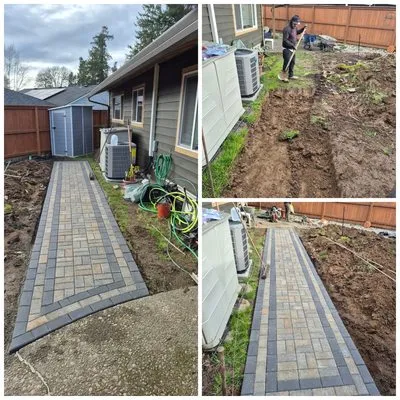
Gardenias Landcare
Gardenias Landcare is a licensed and bonded landscaping service in Wilsonville, OR, with over 13 years of experience. Founded by Jesus, who brings passion and dedication to every project, the company ...
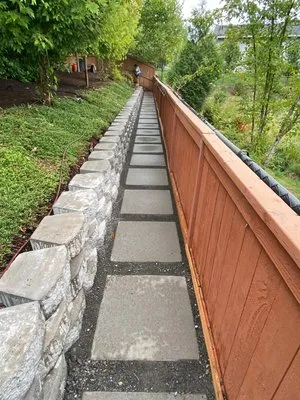
Salinas Landscape is a Tigard-based landscaping company founded and operated by Antonio Piedra Salinas. With a focus on reliable lawn care and comprehensive landscaping services, the business emphasiz...
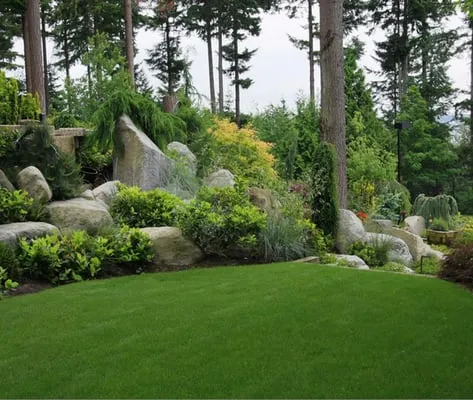
NW Tree Work is a family-owned and operated tree service company based in Portland, OR, serving both Oregon and Southwest Washington. Led by ISA Certified Arborist John Page, a long-time Portland resi...
Family Landscaping is a family-owned business serving Hillsboro, OR, and surrounding areas with over 20 years of local gardening and landscaping experience. We specialize in comprehensive outdoor care...
Land Love Landscaping is a Beaverton-based company founded by José Fernando Alvarado Nambo, who started working at age 14 and launched his own business at 25. With years of hands-on experience and a p...
Anderson Landscape & Tree Service
Anderson Landscape & Tree Service has been serving the Milwaukie community since 2005, growing from a small two-person operation into a trusted local provider of comprehensive exterior home services. ...
Quality Yard Services is a trusted landscaping partner for Portland homeowners and businesses, dedicated to creating and maintaining beautiful, functional outdoor spaces. We focus on clear communicati...
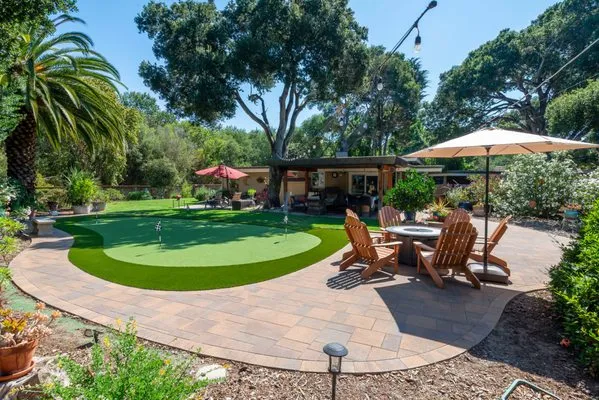
System Pavers
System Pavers in Lake Oswego, OR, is a trusted local outdoor remodeling company with over 30 years of experience, specializing in landscaping, masonry/concrete, and landscape design. Since 1992, they ...
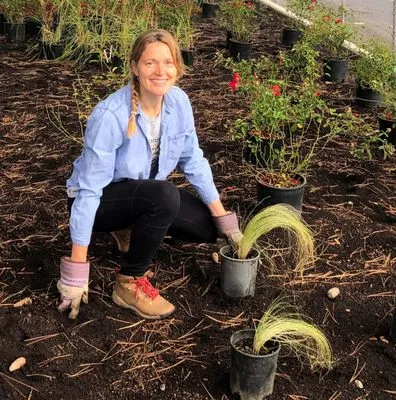
Urban Planters PDX is a woman-owned landscaping business founded in 2017, specializing in transforming small urban spaces in Portland. We focus on garden redesign, container design, planting, and prun...
Estimated Landscaping Service Costs in Boring, OR
FAQs
We want to reduce mowing and gas equipment use. What native plants can replace high-maintenance turf areas?
Transitioning to Douglas Fir understory plantings with Sword Fern, Salal, and Oregon Grape creates layered ecosystems requiring minimal maintenance. Red Flowering Currant hedges provide spring nectar sources while establishing root systems that stabilize slopes. This approach eliminates weekly mowing from April-October and aligns with 2026 electric equipment mandates. Native plant communities develop natural pest resistance and survive on seasonal rainfall once established, reducing irrigation demands by 70-80%.
Our property has standing water for days after rain. What solutions work best with Jory Silty Clay Loam's poor infiltration?
High seasonal saturation in Jory soil requires graded swales directing water toward permeable hardscapes. Basalt stone dry creek beds with 12-inch gravel bases provide subsurface drainage channels. Permeable concrete patios installed with 4% slope meet Clackamas County Planning and Zoning Division runoff standards by allowing 5-8 inches per hour infiltration. French drains should be placed 18-24 inches deep with non-woven geotextile fabric to prevent clay particle clogging.
We need emergency storm cleanup to meet HOA compliance deadlines. What's your fastest response time during peak conditions?
Emergency response from Boring Station via US-26 requires 45-60 minutes during peak storm events, accounting for debris clearance and traffic patterns. Our electric fleet operates within 7 AM to 9 PM noise ordinance windows without decibel violations. We prioritize safety corridors first, then address fallen Douglas Fir limbs and drainage blockages. This timeline ensures compliance while maintaining crew safety during hazardous conditions common in USDA Zone 8b winter storms.
Our 1975 Boring home has compacted soil that won't drain properly. What's the underlying issue with Jory Silty Clay Loam in older neighborhoods?
Boring Core Residential lots developed around 1975 have 51-year-old soil systems where Jory Silty Clay Loam has become heavily compacted. This soil type naturally has poor permeability, and decades of foot traffic and equipment weight have reduced pore space to critical levels. The pH range of 5.5-6.5 remains suitable for most plants, but oxygen depletion is the primary constraint. Core aeration with 3-4 inch depth penetration every fall, combined with 2-3 inches of compost topdressing, rebuilds soil structure without altering pH balance.
What invasive species threaten Boring landscapes, and how do we treat them without violating fertilizer regulations?
Himalayan blackberry and English ivy pose the greatest threats, outcompeting native Sword Fern and Oregon Grape. Manual removal during dry periods in late summer prevents soil disturbance that triggers erosion. Spot treatments with glyphosate alternatives avoid phosphorus runoff concerns near waterways. The statewide fertilizer ordinance prohibits applications from October through March, making early September the optimal window for organic amendments like mycorrhizae inoculants that strengthen native plant defenses.
What permits and licenses are required for regrading our 0.50-acre property in Boring?
Clackamas County Planning and Zoning Division requires erosion control permits for any grading exceeding 50 cubic yards on 0.50-acre lots. The Oregon Landscape Contractors Board mandates that contractors performing this work hold CCB licenses with landscape construction endorsements. Drainage modifications affecting natural water flow additionally need county engineering review. Professional licensing ensures proper slope calculations (max 3:1 ratio) and sedimentation control measures that prevent Jory clay runoff into neighboring properties.
Should we use basalt stone or wood for new patio construction given our Moderate Fire Wise rating?
Basalt stone and permeable concrete provide non-combustible surfaces that meet WUI Zone Interface defensible space requirements. Unlike wood decks, these materials maintain structural integrity during fire events and don't require chemical treatments that leach into soil. The thermal mass of basalt moderates temperature extremes while allowing 15-20% surface permeability. For 0.50-acre lots, creating 30-foot clearance zones with stone pathways reduces fuel continuity without compromising landscape functionality.
How do we maintain Perennial Ryegrass and Tall Fescue turf during Stage 1 water restrictions without overwatering?
Wi-Fi ET-based weather sensing irrigation calculates evapotranspiration rates specific to Boring's microclimate, applying 0.75-1.25 inches weekly during peak season. This system adjusts automatically for rainfall, reducing water use 30-40% compared to timer-based systems. For USDA Zone 8b, deep watering at dawn minimizes evaporation while encouraging root development below 6 inches. Municipal limits are maintained through soil moisture sensors that prevent irrigation when Jory clay reaches field capacity.
