Top Landscaping Services in Beaverton, OR, 97005 | Compare & Call

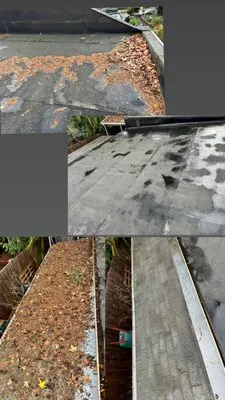
Land Love Landscaping is a Beaverton-based company founded by José Fernando Alvarado Nambo, who started working at age 14 and launched his own business at 25. With years of hands-on experience and a p...
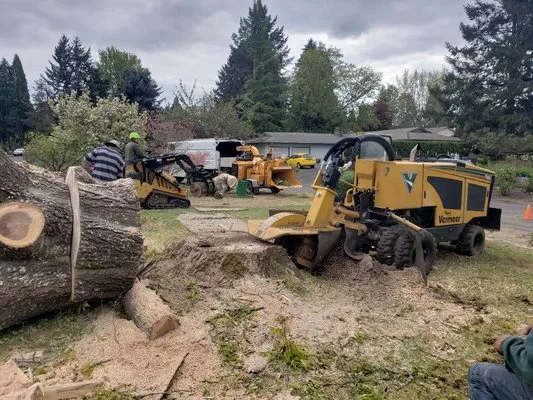
Evergreen Landscape Care & Tree Services
Evergreen Landscape Care & Tree Services LLC is a licensed, locally-owned company serving Beaverton, OR and the Portland Metro Area. With certified arborists on staff, we provide professional tree car...
Milton Cleanup & More is a licensed and bonded landscaping company serving Beaverton, OR, since 2003. Founded by owner Milton, who brings a personal commitment to quality and customer satisfaction, th...
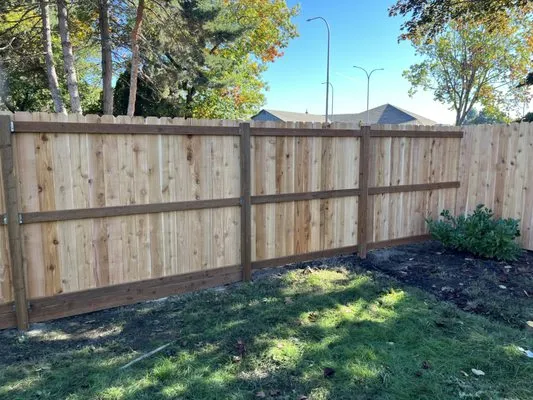
Beaverton Fencing & Landscaping is a trusted local contractor in Beaverton, Oregon, specializing in comprehensive landscaping and fencing solutions. We help homeowners address common local issues like...
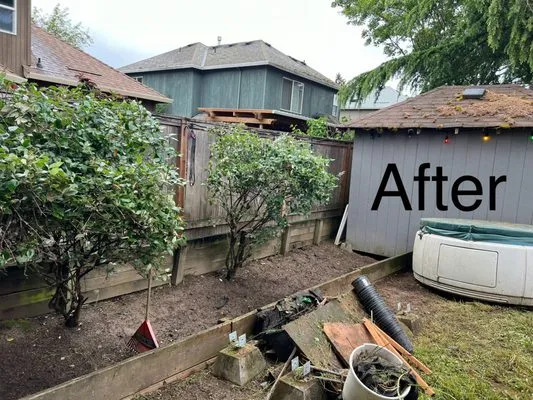
Lotus LawnCare Services is a locally-owned and operated lawn care provider in Beaverton, OR, founded on a deep-rooted passion for outdoor work and community service. Owner's experience began in his fa...
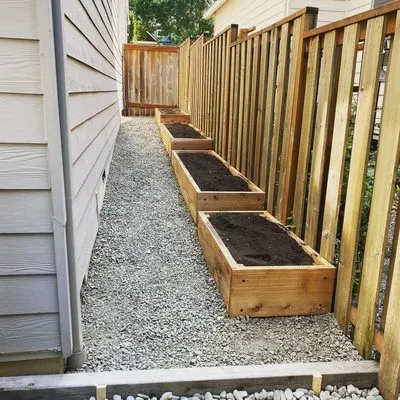
Chozen Gardens
Chozen Gardens is a licensed and insured landscaping and excavation company serving Beaverton, OR, and surrounding areas since 2017. We specialize in comprehensive outdoor solutions, including tree se...
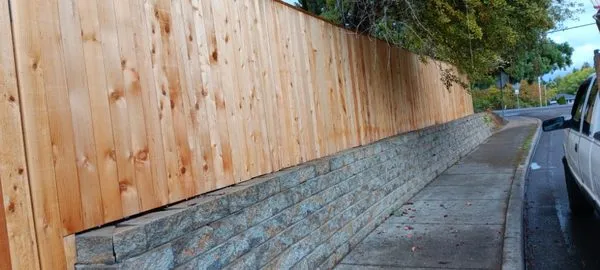
Emerald Lawn Care Maintenance has been a trusted landscaping partner for homeowners and businesses across the Portland metro area for over 26 years. Based in Beaverton, OR, our team brings extensive l...

LJH Landscape Irrigation & Lighting
LJH Landscape Irrigation & Lighting is a small, owner-operated business in Beaverton, OR, focused exclusively on residential irrigation and low-voltage lighting. Our philosophy is simple: by staying s...
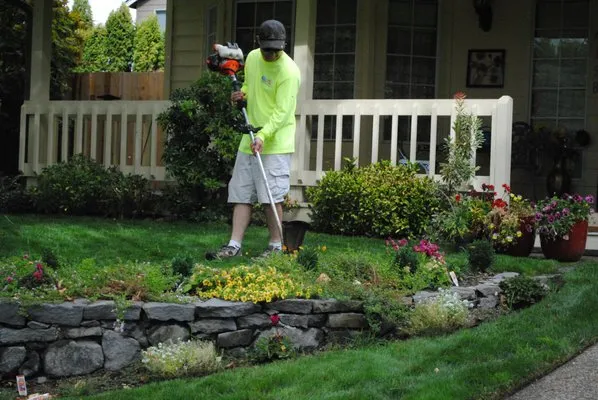
Marvel Landscaping Maintenance & Junk Removal
Marvel Landscaping Maintenance & Junk Removal is a locally owned and operated business in Beaverton, Oregon, serving Washington County with reliable, personalized service. As the owner and operator, T...

Lawn Master is a locally owned and operated lawn service company based in Beaverton, Oregon, serving the Portland Metro Area since 1988. Founded by Andy Cabeen and Shawn Headlee, the business has buil...
Frequently Asked Questions
Are permeable pavers a better choice than wood decking for a new patio?
For longevity and ecosystem function, permeable concrete pavers outperform wood. They do not rot, splinter, or require chemical treatments, and their inherent permeability manages stormwater, a key consideration for local codes. In the context of Beaverton's Moderate Fire Wise rating, pavers also provide superior defensible space compared to combustible wood structures, enhancing safety in this urban-wildland interface.
Why does my small patio project seem to require so many permits and licensed pros?
The Beaverton Planning Division regulates any work that alters drainage patterns or impervious surface area, critical on a 0.15-acre lot. Furthermore, the Oregon Landscape Contractors Board (OLCB) requires licensing for contractors performing grading, drainage, or structural work. This ensures compliance with state building codes, environmental protections, and CWS standards, safeguarding your property and the community from improper installation and runoff issues.
How can I keep my Tall Fescue lawn healthy during Beaverton's voluntary water conservation stage?
Stage 1 conservation prioritizes efficiency, which aligns with modern smart irrigation. A Wi-Fi ET-based system uses local weather data to apply water only when evapotranspiration rates demand it, eliminating wasteful schedules. This technology can reduce water use by 20-30% while maintaining turfgrass vigor by delivering moisture at optimal root-zone depth. It is the definitive method for preserving your lawn within municipal water budgets.
Why does my Central Beaverton lawn feel so compacted and tired?
The typical 1986 build date for your neighborhood means the soil profile is approximately 40 years old. Original construction compacted the native Willamette Silt Loam, and decades of standard maintenance have likely depleted organic matter. This age and history lead to poor percolation and a dense root zone. Core aeration followed by amending with compost is critical to reintroduce pore space and microbial life, fundamentally improving soil health beyond superficial fertilization.
My yard has standing water every spring. What's the best long-term fix?
Seasonal high water tables and poor infiltration are inherent to Willamette Silt Loam. The solution combines subsurface drainage, like French drains, with surface strategy. Replacing impervious surfaces with permeable concrete pavers is highly effective; they allow stormwater to infiltrate on-site, meeting Beaverton Planning Division runoff standards. This integrated approach manages the high water table while mitigating surface pooling.
I need emergency storm debris cleanup to meet an HOA deadline. How fast can a crew arrive?
For urgent compliance work, a crew can be dispatched from our central staging near Beaverton City Park. Taking OR-217 provides direct arterial access to Central Beaverton neighborhoods. Accounting for peak traffic variables, we target a 20-30 minute response window for initial site assessment and mitigation, allowing for rapid deployment of electric chippers and sweepers that comply with the city's 7am-8pm noise ordinance.
I want a lower-maintenance, quieter yard. What should I consider?
Transitioning high-input turf to a palette of Pacific Northwest natives like Sword Fern, Red-flowering Currant, and Salal drastically reduces mowing, watering, and chemical needs. These plants are adapted to our Zone 8b climate and soil pH. This shift pre-empts evolving noise ordinances restricting gas-powered blowers and mowers, as established native beds require minimal, quiet maintenance with electric tools.
What invasive weeds should I watch for, and how do I treat them responsibly?
In Central Beaverton, watch for Himalayan Blackberry, English Ivy, and Butterfly Bush. Treatment must follow Regional Clean Water Services (CWS) Nutrient Management Guidelines, which prohibit certain herbicide applications during seasonal blackout dates to protect watersheds. Correct identification is key, as manual removal or targeted, licensed professional application during approved windows is the safe, compliant protocol.
