Top Landscaping Services in Banks, OR, 97106 | Compare & Call
There are 84 landscaping companies server in Banks OR
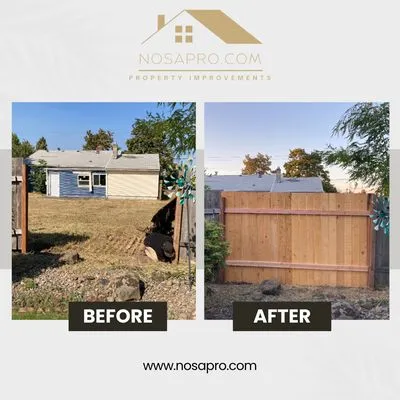
NOSA Asset Improvements is your trusted local partner for enhancing and maintaining properties in Keizer, Oregon. We specialize in a comprehensive range of services, from essential junk removal and ha...
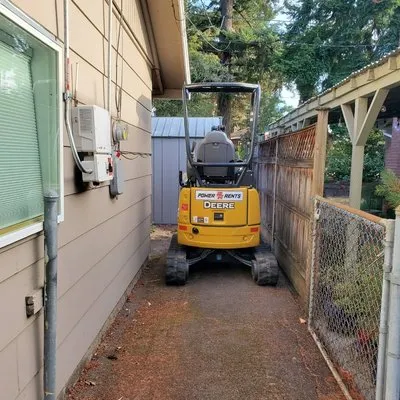
Spearhead Construction is a Hillsboro-based excavation, landscaping, and demolition company founded on over a decade of hands-on experience in heavy civil construction. Owner-operator started from the...
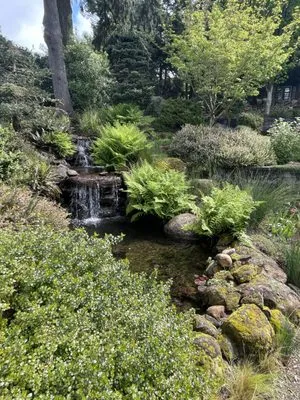
Viridian Landscaping is a Clackamas-based landscape design, build, and restoration company serving homeowners and businesses throughout the area. We specialize in creating and maintaining beautiful, f...
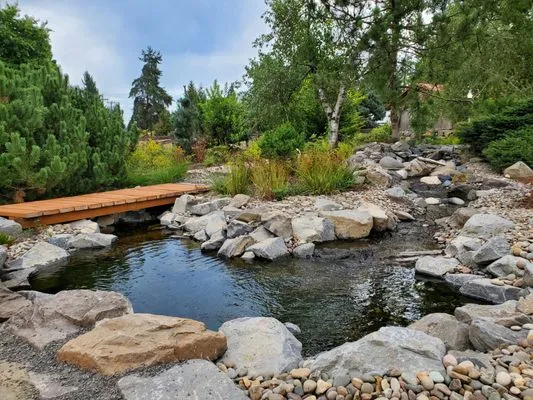
Good Thyme Landscapes
Good Thyme Landscapes is a licensed landscape design and construction service (LCB#9848) in Tualatin, Oregon, specializing in personalized outdoor solutions. With nearly a decade of construction exper...
Based in Portland with roots dating back 9 years to California, this business brings extensive experience to Gresham's tree and landscaping needs. They specialize in comprehensive outdoor solutions, f...
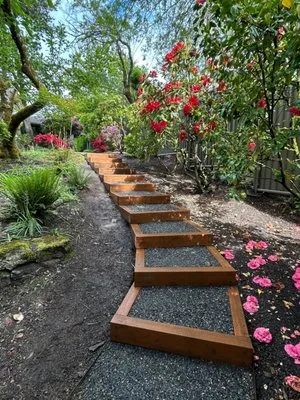
Northwest Native Landscapes
Northwest Native Landscapes is a family-owned, full-service landscape company that has been serving the Portland metro area since 2003. Founded with a mission to promote sustainability, we've grown in...
Portland Roots is a locally-owned, full-service company in Portland, OR, specializing in landscaping, junk removal, and gutter services. We understand the unique challenges Portland homeowners face, p...
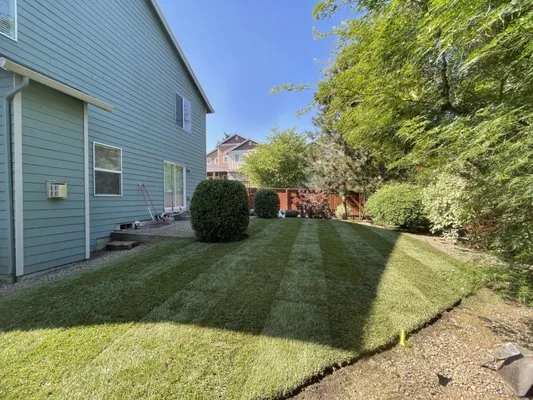
Westside Landscape is a Beaverton-based landscaping company dedicated to transforming outdoor spaces with expert design and construction. We specialize in walkway installation, irrigation design, land...
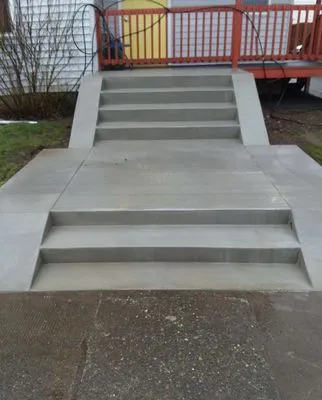
Alex Arias Construction is a Cornelius-based contractor specializing in masonry, concrete, landscaping, and excavation services. Serving the local community, we address common landscaping issues like ...

Independent Landscapes
Independent Landscapes is a locally-owned landscaping business serving Oregon City, founded by Nic who was born in Oregon and has over a decade of experience in landscaping and construction. After wor...
Estimated Landscaping Service Costs in Banks, OR
Common Questions
Is it okay to run my sprinklers daily to keep my grass green?
While Stage 0 water restrictions currently allow irrigation, daily watering is detrimental to your Perennial Ryegrass/Tall Fescue blend and wasteful. We program Wi-Fi ET-based weather-sensing controllers to apply water only when evapotranspiration data indicates a need, typically 1-1.5 inches per week. This method deepens root systems, conserves municipal water, and maintains turf health more effectively than a fixed schedule, preparing your system for any future restrictions.
My yard turns into a pond every winter. What's the permanent fix?
Seasonal saturation is a known hazard in Banks due to the poorly drained clay subsoil beneath the silt loam. Solutions begin with installing French drains or dry wells to intercept subsurface water. For new hardscapes, using permeable crushed aggregate or basalt pavers set on an open-graded base can significantly reduce surface runoff, helping projects meet Banks Planning Department stormwater management standards by increasing ground permeability.
Why does my lawn look thin and compacted compared to older parts of town?
Most Banks City Center lots were developed around 1994, resulting in soil profiles that are now 32 years old. The original Willamette Silt Loam has likely become heavily compacted from construction equipment and foot traffic, limiting root growth and water percolation. This common neighborhood issue requires core aeration to alleviate compaction, followed by top-dressing with compost to rebuild organic matter and improve soil structure for better plant health.
I'm tired of weekly mowing and gas-powered noise. Are there quieter, lower-maintenance options?
Transitioning high-input turf areas to a climate-adaptive xeriscape with native plants like Douglas Spirea, Oregon Grape, and Western Sword Fern drastically reduces maintenance. This approach eliminates weekly mowing and the need for gas-powered blowers, aligning with evolving municipal noise ordinances. A native planting scheme established in early March establishes quickly, provides year-round habitat, and requires minimal supplemental water after the first two seasons.
Why does my contractor need a special license just to regrade my backyard?
In Oregon, any project involving significant earth movement, drainage alteration, or installation of irrigation systems requires a license from the Landscape Contractors Board (LCB). On a 0.22-acre lot, regrading can impact drainage patterns for neighboring properties, necessitating proper engineering. The Banks Planning Department may also require a permit for such work. Hiring an LCB-licensed professional ensures compliance with state law, carries mandatory bonding, and guarantees work meets structural and environmental codes.
How fast can you respond for an urgent storm cleanup to meet an HOA deadline?
For emergency compliance work, our dispatch from the Banks-Vernonia State Trailhead uses OR-47 for primary access, aiming for a 45-60 minute arrival during peak response windows. We coordinate with municipal schedules to operate within standard noise ordinance hours (8:00 AM - 8:00 PM). Our electric maintenance fleet allows for immediate, quiet mobilization to address downed limbs or debris without violating community sound regulations.
I've spotted invasive English Ivy and Himalayan Blackberry. How do I remove them safely?
Manual removal of these invasive species is most effective; cut vines at the base and carefully dig out root crowns to prevent resprouting. For chemical control, use a targeted, glyphosate-based herbicide applied directly to freshly cut stems in late summer, strictly following the Oregon Department of Agriculture guidelines. This spot-treatment method minimizes drift and complies with Clean Water Act protections by preventing any application on impervious surfaces or near waterways.
Should I use wood or stone for a new patio and fire pit area?
In Banks' moderate Fire Wise rating zone, non-combustible basalt pavers are superior to wood for longevity and defensible space creation. Basalt withstands freeze-thaw cycles and requires no sealing or replacement due to rot. When designing a fire pit area, using crushed aggregate or pavers for a minimum 10-foot clearance provides a critical ember-resistant zone, enhancing safety while meeting functional and aesthetic goals with minimal upkeep.
