Top Landscaping Services in Astoria, OR, 97103 | Compare & Call

Autumn Lawn Care Services is a locally owned and operated lawn care provider in Astoria, OR. We specialize in the essential services that keep lawns healthy and attractive, focusing on the specific ch...

Greensmith Landscapes
Greensmith Landscapes is a trusted Astoria, OR, landscaping company with deep roots in the community, evolving from Andy's Lawn Care in 1993 to its current form in 2011. We serve residential and comme...
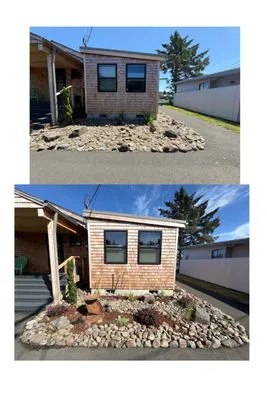
Tilly's Garden is a full-service landscaping company serving Astoria, OR, specializing in deck construction, landscape design, and comprehensive garden care. We help local homeowners address common is...
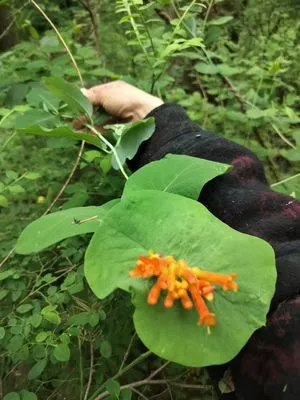
Wildform Landscaping in Astoria, OR, is a lawn services business founded by Drew Miller, a lifelong naturalist and craftsman with deep roots in the Pacific Northwest. Unlike traditional landscapers, D...

Edgewater Landscape Service
Edgewater Landscape Service is a trusted Astoria, OR landscaping company specializing in comprehensive solutions for local property owners. We provide professional irrigation construction, design, and...
Jim's Lawn Care is a trusted local lawn service provider in Astoria, OR, dedicated to maintaining beautiful, healthy lawns for homeowners and businesses. We specialize in comprehensive lawn care solut...

Green Hills Construction is a trusted general contractor and landscaping expert serving Astoria and the surrounding communities. We specialize in bringing your vision to life, whether it's a full-scal...
Questions and Answers
Are permeable pavers better than wood for Astoria's climate?
Permeable basalt pavers offer superior longevity to wood in Astoria's moist coastal environment, with 50+ year lifespans versus wood's 10-15 years. Their natural thermal mass moderates surface temperatures, while permeability reduces runoff by 60% compared to concrete. For Fire Wise Zone 2 compliance, basalt provides non-combustible defensible space around structures. Proper installation with jointing sand maintains stability on sloped sites while allowing water infiltration to underlying soils.
What solutions exist for chronic drainage problems on sloped Astoria properties?
High saturation in acidic silt loam requires integrated drainage solutions. Permeable basalt pavers installed with proper grading create 40-50% surface permeability, meeting Astoria Community Development Department runoff standards. French drains with clean gravel layers redirect subsurface water, while rain gardens planted with native species absorb excess moisture. These systems work together to stabilize slopes and prevent erosion during heavy rainfall periods common in coastal Oregon.
How do I control invasive species without harming my garden?
Common invasive alerts in Astoria include English ivy and Himalayan blackberry, which outcompete native vegetation. Manual removal during dry periods prevents soil disturbance, while targeted herbicide applications follow statewide N-P-K runoff mitigation guidelines. Treatment timing avoids fertilizer blackout dates typically in late fall through early spring. Integrating mycorrhizae inoculants after removal helps restore soil biology and prevents reinfestation through competitive exclusion.
How quickly can you respond to emergency storm damage cleanup?
Emergency response from the Astoria-Megler Bridge area via US-30 typically requires 20-30 minutes during peak conditions. This accounts for traffic patterns and equipment loading for storm debris removal. Our electric maintenance fleet operates within standard decibel limits while providing immediate HOA compliance services. We prioritize safety assessments before beginning cleanup operations on sloped properties.
Why does my Uniontown yard have such poor drainage and compacted soil?
Astoria's Uniontown neighborhood has acidic silt loam soil with pH 5.5-6.0, common in lots developed around 1947. With 79 years of soil maturity since original construction, this soil type becomes increasingly compacted and prone to saturation. Core aeration with organic amendments like composted bark improves permeability and reduces slope instability. Regular soil testing every 2-3 years maintains optimal pH for plant health in USDA Zone 9a conditions.
Should I replace my lawn with native plants to reduce maintenance?
Transitioning from perennial ryegrass to native species like salal, red flowering currant, sword fern, and western red cedar reduces water needs by 70-80% and eliminates weekly mowing. This approach anticipates potential gas-blower restrictions under evolving noise ordinances while supporting local biodiversity. Native plantings require minimal fertilization and create habitat for pollinators, aligning with 2026 ecological landscaping standards for moderate Fire Wise Zone 2 compliance.
How do smart irrigation systems work with Astoria's water restrictions?
Smart Wi-Fi ET-based drip systems calculate evapotranspiration rates using local weather data, delivering precise water amounts to perennial ryegrass turf. During Stage 0 water restrictions, these systems maintain soil moisture at 60-70% field capacity while reducing consumption by 30-40% compared to traditional sprinklers. The technology adjusts daily based on temperature, humidity, and precipitation forecasts, ensuring compliance with municipal water conservation goals without compromising turf health.
What permits and licenses are needed for landscape grading work?
Grading on Astoria's standard 0.15-acre lots requires permits from the Astoria Community Development Department for any elevation changes exceeding 12 inches. Contractors must hold Oregon Landscape Contractors Board licensing for earthwork exceeding 50 cubic yards. The OLCB ensures compliance with statewide erosion control measures and structural integrity standards. Unlicensed grading can violate municipal codes and create liability for slope failure or drainage impacts on adjacent properties.
