Top Landscaping Services in Wagoner, OK, 74467 | Compare & Call
There are 166 landscaping companies server in Wagoner OK
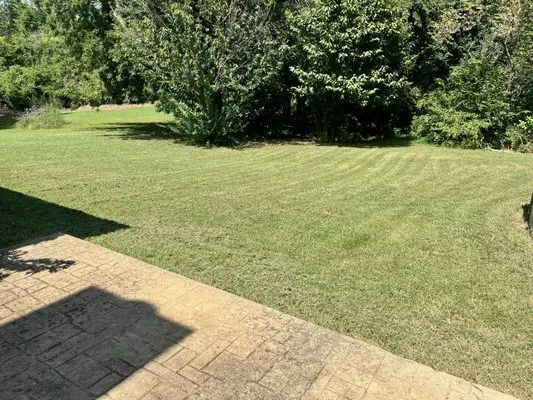
Mighty Fast Junk and Lawn Care is a Broken Arrow-based company providing reliable junk removal and lawn services to local homeowners. We specialize in comprehensive solutions including trash removal, ...
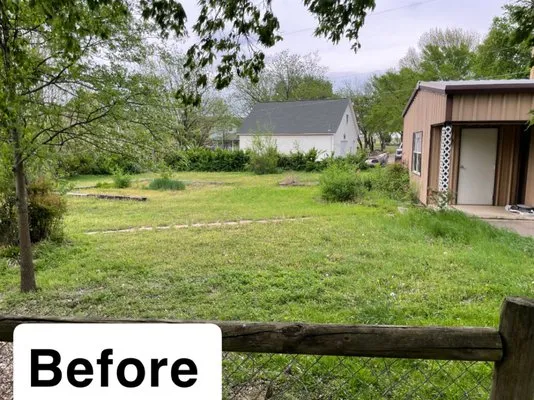
Murphys Lawn Services is a trusted, locally-owned provider in Spavinaw, OK, specializing in comprehensive outdoor care. We help homeowners tackle common landscaping issues like overgrown shrubs and sp...
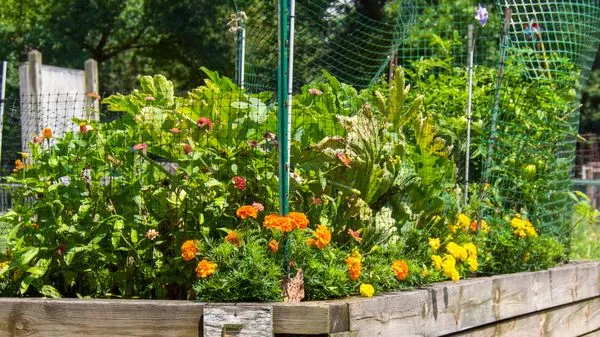
Vista Landscaping is a Tulsa-based company founded by Emily and Nathan Bruno, combining over 17 years of combined expertise in landscaping, hardscaping, and customer service. Emily manages client rela...
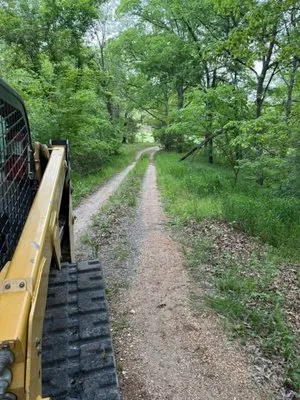
R&N Excavation is a trusted, full-service contractor serving Broken Arrow, Oklahoma. We specialize in excavation, professional landscaping, and comprehensive tree care to build and maintain beautiful,...
A Servant's Heart Lawn Care is a trusted local lawn service provider in Broken Arrow, Oklahoma, dedicated to helping homeowners maintain healthy, beautiful yards. Many homes in the area face common la...
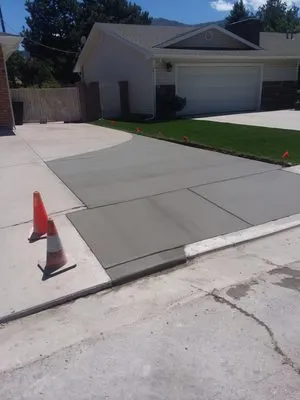
Pristine Services LLC is a locally owned and operated business in Muskogee, Oklahoma, founded by someone who began as a laborer in civil construction and concrete before working up to owning their own...
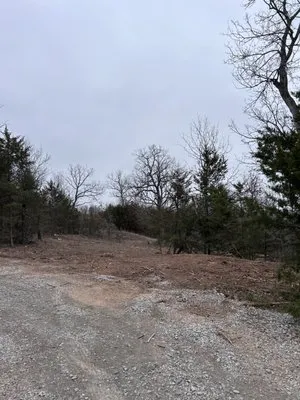
K and M Forestry and Land Management is a full-service landscaping and tree care provider based in Mounds, OK. We help local homeowners and businesses tackle common property challenges like persistent...
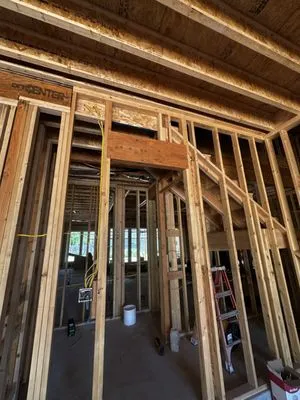
PR Services in Broken Arrow, OK, is a versatile local business offering a unique blend of essential home and property services. They provide expert electrical work, including circuit breaker and panel...
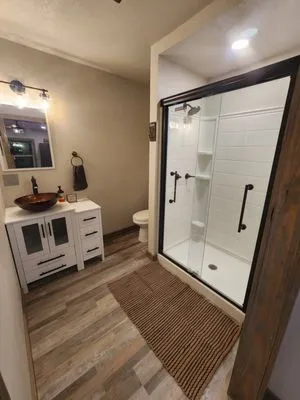
You Nailed It Construction
You Nailed It Construction is a licensed and insured general contractor serving Broken Arrow, Oklahoma, with over ten years of local building experience. We specialize in a comprehensive range of serv...
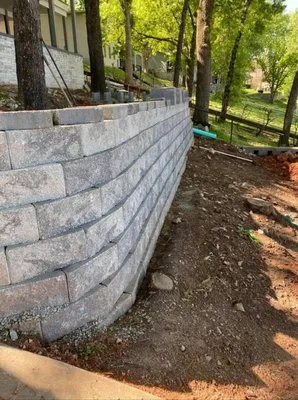
Downings Landscaping & Drains is a family-owned and operated business serving Pryor, Oklahoma, with comprehensive landscaping and irrigation solutions. We specialize in transforming outdoor spaces thr...
Estimated Landscaping Service Costs in Wagoner, OK
FAQs
What solutions address seasonal pooling in Wagoner's silt loam soils?
Seasonal pooling in silt loam soils results from moderate clay compaction reducing percolation rates. Installing permeable Oklahoma flagstone pathways creates natural drainage channels that meet Wagoner City Planning & Development runoff standards. French drains with gravel backfill further enhance subsurface water movement. These combined approaches redirect water away from structures while maintaining soil integrity during heavy rainfall events.
Should I replace high-maintenance turf with native plants in my Wagoner yard?
Transitioning to Eastern Redbud, Switchgrass, Purple Coneflower, and Blazing Star reduces weekly mowing requirements and supports 2026 biodiversity standards. Native plantings require less irrigation and eliminate gas-powered blower use, aligning with municipal noise ordinances. These species establish deep root systems that improve soil structure and drought resilience. Xeriscaping with natives creates habitat while reducing maintenance by approximately 60% compared to traditional turf.
Why choose Oklahoma flagstone over wood for patios in fire-prone areas of Wagoner?
Oklahoma flagstone provides superior fire resistance compared to wood, supporting Moderate Firewise USA Community Standards for defensible space. This natural stone maintains structural integrity for decades without deterioration from moisture or insects. Proper installation creates firebreaks around structures while allowing permeability for drainage. Flagstone's thermal mass also moderates temperature extremes, reducing irrigation demands for adjacent plantings.
Why does my Wagoner Historic District yard have such compacted soil that struggles to absorb water?
Properties in the Wagoner Historic District with 1977-era construction have approximately 49 years of soil maturity. The prevalent silt loam soil (pH 6.5-7.2) naturally develops moderate clay compaction over decades, reducing permeability. This compaction creates seasonal pooling issues common in older neighborhoods. Core aeration with organic amendments like compost improves soil structure and water infiltration for healthier root systems.
What permits and licenses are required for grading work on my 0.25-acre Wagoner property?
Grading projects exceeding 100 cubic yards of earth movement require Wagoner City Planning & Development permits for erosion control compliance. Contractors must hold Oklahoma Department of Agriculture, Food, and Forestry licensing for landscape architecture or excavation work. Professional licensing ensures proper slope calculations and drainage patterns that prevent neighbor disputes. Unlicensed grading on 0.25-acre lots often violates municipal codes regarding stormwater management and property line impacts.
How quickly can you respond to an emergency tree cleanup after a storm in Wagoner?
Emergency storm response from Wagoner City Hall via US-69 typically requires 20-30 minutes during peak conditions. Our electric maintenance fleet operates within municipal quiet hours (10 PM - 7 AM) without noise violations. This routing ensures timely HOA compliance while maintaining neighborhood tranquility. We prioritize safety assessments before beginning any debris removal operations.
How can I maintain Bermuda or Zoysia turf during Wagoner's Stage 1 water restrictions?
Smart Wi-Fi ET-based irrigation controllers optimize water use by adjusting schedules based on real-time evapotranspiration data. These systems deliver precise moisture to Bermuda or Zoysia root zones while staying within voluntary conservation limits. Proper programming reduces runoff and matches turf water requirements to actual weather conditions. This approach maintains turf health while conserving approximately 20-30% compared to traditional timer-based systems.
What invasive species should Wagoner homeowners monitor and how should they be treated?
Japanese honeysuckle and Johnsongrass present significant invasive risks in USDA Zone 7a. Manual removal during dormancy prevents seed spread without chemical intervention. When herbicides become necessary, selective applications follow state BMP guidelines while avoiding municipal phosphorus restrictions. Treatment timing considers plant life cycles rather than arbitrary blackout dates. Proper disposal prevents reinfestation and protects native plant communities.
