Top Landscaping Services in Sulphur, OK, 73086 | Compare & Call


Seney Construction is a full-service excavation, landscaping, and tree care company serving Sulphur, OK, and the surrounding areas. We understand the local challenges homeowners face, from tough, comp...
Arbuckle Lawn Care is a dedicated landscaping service based in Sulphur, OK, specializing in creating and maintaining healthy, vibrant lawns for local residents. We understand the common local challeng...

Wilkins Lawn & Landscape is a trusted, full-service landscaping company serving Sulphur, OK, and the surrounding areas. We specialize in comprehensive solutions including irrigation construction, desi...
CKC Forestry and Property Management is a trusted local provider in Sulphur, OK, specializing in comprehensive landscaping and tree care services. We help property owners maintain healthy, beautiful o...
Total Property Services in Sulphur, OK, is your local expert for comprehensive outdoor property solutions, specializing in lawn services, fences & gates, and masonry/concrete. We understand the common...
Darrell S Lawncare is a trusted local landscaping service in Sulphur, OK, dedicated to keeping your outdoor spaces healthy and vibrant. We specialize in addressing common local issues like dying shrub...
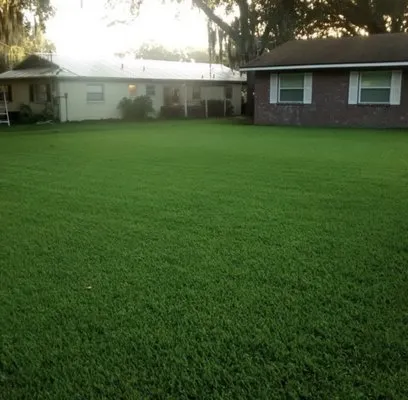
Covenant Turf & Pest Management is a locally owned and operated pest control and lawn care service in Sulphur, OK, founded on faith and decades of expertise. With a certified pesticide applicator lice...
FAQs
Water pools in my yard after every rain. What's a lasting solution?
Pooling water is a direct symptom of the low permeability in Silty Clay Loam soils. The solution involves improving sub-surface drainage through strategic grading and the installation of French drains or dry creek beds. For hardscape areas, using permeable jointing techniques with native Oklahoma Sandstone can facilitate ground infiltration. Any significant regrading project for a 0.25-acre lot must be designed to meet the Sulphur Planning and Zoning Department's runoff standards, which often require such permeable strategies.
Is there a lower-maintenance alternative to my weekly-mowed Bermudagrass?
Transitioning sections of high-input turf to a native plant community is a forward-looking strategy. Species like Little Bluestem, Purple Coneflower, and Switchgrass are adapted to our Zone 7b climate and require no mowing, minimal water, and no chemical fertilization. This shift not only conserves resources but also supports local biodiversity. Furthermore, it preemptively adapts to evolving noise ordinances, as these plantings eliminate the need for gas-powered blowers and mowers.
Should I use Oklahoma Sandstone or wood for a new patio?
Oklahoma Sandstone offers superior longevity and lower lifetime maintenance compared to wood, which requires regular sealing and replacement in our climate. From a Fire Wise perspective, stone is a non-combustible material critical for creating defensible space in Moderate (WUI Zone 2) rated areas. A properly installed sandstone patio also mitigates the drainage hazard by allowing for better permeability than solid concrete, addressing both aesthetic and ecological infrastructure goals.
Do I need a permit to regrade my backyard for better drainage?
Yes, significant regrading or drainage work on a 0.25-acre lot typically requires a permit from the Sulphur Planning and Zoning Department. Their review ensures changes do not adversely impact neighboring properties or municipal stormwater systems. Furthermore, contracting for this work necessitates hiring a professional licensed by the Oklahoma Construction Industries Board. This licensing guarantees the contractor adheres to state-mandated Best Management Practices, particularly for erosion control and preventing nutrient runoff into watersheds.
How quickly can you respond for an emergency tree cleanup to meet HOA deadlines?
For urgent HOA compliance or storm damage in Central Sulphur, our standard dispatch originates near the Chickasaw National Recreation Area. Utilizing US-177, we can typically navigate to your property within the 20-30 minute window, even during peak response times. Our electric-powered equipment fleet complies fully with the 7:00 AM to 9:00 PM noise ordinance, allowing for immediate, quiet work upon arrival to secure the site and begin debris management.
Why is my soil so compacted and difficult to dig into here in Central Sulphur?
Homes built around 1969, common in this area, have soils that have matured for over 50 years. The prevalent Silty Clay Loam, with its pH of 7.2-7.5, naturally compacts over decades of foot traffic and standard lawn maintenance. This compaction severely reduces soil percolation, starving grass and tree roots of oxygen and water. Annual core aeration and the incorporation of compost are not just beneficial; they are necessary interventions to rebuild soil structure and biological activity for modern, resilient landscaping.
What are the most aggressive weeds here, and how do I treat them safely?
Invasive species like Johnsongrass and Sericea Lespedeza pose significant threats in Central Sulphur. Control requires a targeted, integrated approach—manual removal for small infestations and selective, professional-grade herbicide application for larger areas, always following the product label. Timing is paramount to avoid the state's BMP fertilizer blackout dates designed to prevent phosphorus runoff. A soil test is the essential first step to avoid unnecessary chemical application and protect soil biology.
How do I keep my Bermudagrass green during a Stage 1 water conservation period?
Voluntary conservation in Stage 1 is best managed with precision. Smart Wi-Fi ET-based irrigation controllers are critical; they adjust watering schedules daily based on local evapotranspiration data, applying water only when the turfgrass needs it. This technology prevents overwatering, directly addressing the moderate runoff concerns of our clay soils. Properly programmed, these systems maintain Bermudagrass health while conserving a significant volume of municipal water, keeping you well within community guidelines.
