Top Landscaping Services in Edmond, OK, 73003 | Compare & Call
There are 206 landscaping companies server in Edmond OK
Digiam Landscapes is a trusted local landscaping company serving Edmond, Oklahoma. We specialize in addressing the common landscaping challenges homeowners face in our community, such as persistent mu...

3DL Landscape & Lawn is a locally owned and operated lawn care and snow removal service in Edmond, OK, founded by Damontay. The business was started with a dual purpose: to support his family and to p...

Brad's Economy Lawn Care is your Edmond neighbor for reliable lawn and landscape care. With over 20 years of experience in our community, we understand the specific challenges of maintaining a beautif...
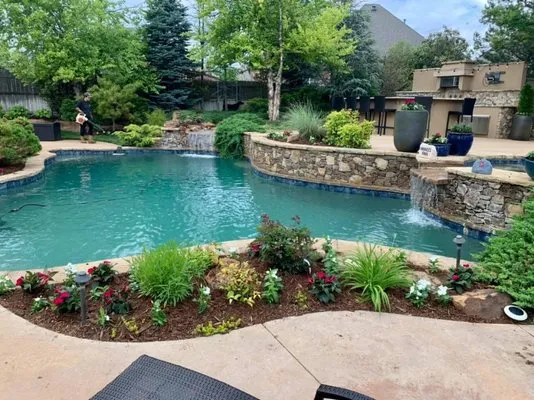
Simply Scapes is a family-owned, full-service landscaping company serving Edmond, OK, with over three decades of dedicated experience. As a local, trusted partner, they focus on providing excellent cu...
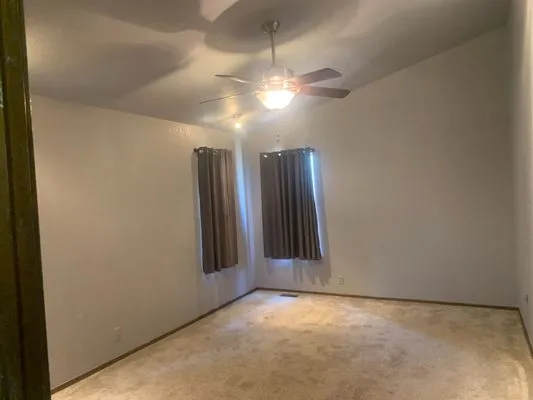
Perfection Handyman Remodeling in Mustang, OK, is a locally owned and operated business dedicated to helping homeowners maintain and improve their properties. Founded in 2023 as M.P.Sheffer LLC, the c...
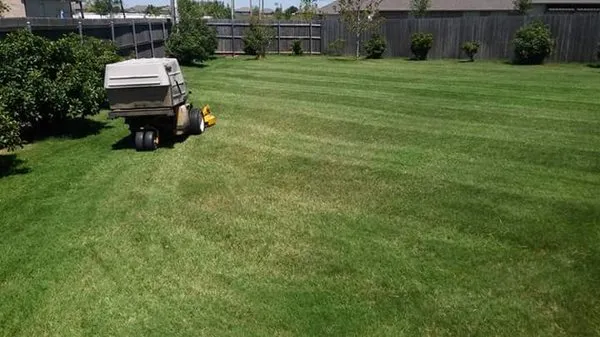
Naturescape is a trusted landscaping company serving Oklahoma City homeowners. We specialize in addressing common local challenges like poor lawn grading and patchy grass that can lead to drainage iss...
Estimated Landscaping Service Costs in Edmond, OK
Common Questions
Our soil seems compacted and tough to work with. Is that typical for homes built around the 1990s here?
Yes, this is a direct result of the construction process on Edmond's native clay loam. Homes built around 1992, common in Downtown Edmond, have soils with over 30 years of maturation. Original topsoil was often stripped or compacted by heavy machinery, leaving a dense, low-permeability layer. This clay-dominant subsoil impedes root growth and water infiltration. To restore function, core aeration and incorporation of 2-3 inches of composted organic matter are essential to improve soil structure and microbial activity.
We have a last-minute HOA inspection tomorrow and need debris cleared. What's the fastest way to get a crew here?
Our primary dispatch is near Hefner Parkway and 2nd Street. For a Downtown Edmond address, our electric fleet takes the I-35 corridor, which provides the most reliable route during variable traffic conditions. We allocate resources to maintain a 20-30 minute peak storm response window for such compliance emergencies. Crews are equipped for immediate debris removal and light trimming to meet common HOA standards efficiently and within standard weekday operation hours.
Is Choctaw limestone a good choice for a new patio, or should we consider composite wood?
Choctaw limestone is a superior, permanent choice for our environment. As a native permeable material, it manages heat and moisture effectively, lasting decades with minimal upkeep. Composite wood, while low-maintenance, can retain heat and is less ideal for fire-wise planning. Edmond's moderate Wildland-Urban Interface rating recommends creating defensible space with non-combustible materials like stone within 30 feet of structures. Limestone also complements native plantings and adds significant value through its durability and natural drainage properties.
How can we keep our Tall Fescue lawn healthy during the summer while following the city's water conservation request?
Stage 1 voluntary conservation in Edmond is best managed with Wi-Fi ET-based weather sensing controllers. These systems automatically adjust runtime by using local evapotranspiration data, applying water only when needed. For Tall Fescue in zone 7b, this typically means deep, infrequent watering cycles in the early morning to minimize evaporation. This method can reduce potable water use by 20-30% while maintaining turf health, keeping you well within municipal guidelines and preserving soil moisture in our clay loam.
We've spotted what looks like invasive Bermudagrass choking out our desired turf. How should we handle it?
Correct identification is key; Bermudagrass is a common invasive competitor in TifTuf Bermuda or Fescue lawns. Treatment requires a targeted post-emergent herbicide application during active growth phases, strictly following the product label. Edmond's fertilizer ordinance promotes Best Management Practices (BMPs), which include avoiding phosphorus application unless a soil test confirms deficiency and adhering to any seasonal blackout dates. For severe infestations, solarization or careful manual removal may be necessary to preserve soil health.
Water pools near our foundation after every rain. What's a long-term solution for our property's drainage?
This pooling is a direct result of high runoff from Edmond's expansive clay content, which has very low permeability. A functional solution integrates subsurface French drains with surface grading to direct water away from structures. For new hardscapes, specify permeable Choctaw limestone pavers set on a gravel base; this system allows infiltration on-site, reducing runoff volume and rate. The Edmond Planning & Zoning Department encourages these methods to meet post-construction stormwater management standards for a 0.22-acre lot.
What permits and qualifications should we verify before hiring a contractor to regrade our yard?
Any significant grading or earthwork on a 0.22-acre lot in Edmond requires a licensed professional. Verify active licensure with the Oklahoma Construction Industries Board. The contractor must also pull a permit from the Edmond Planning & Zoning Department for work that alters drainage patterns or involves substantial cut and fill. This ensures the plan meets city erosion control and stormwater regulations. Using an unlicensed contractor for this work risks improper drainage solutions and potential liability for off-site water damage.
We're tired of weekly mowing and loud gas equipment. Are there lower-maintenance, quieter landscape options?
Absolutely. Transitioning to a climate-adaptive landscape with Oklahoma natives like Little Bluestem, Purple Coneflower, and Eastern Redbud drastically reduces maintenance. These deep-rooted plants require no mowing, minimal watering once established, and provide superior habitat. This shift aligns with evolving noise ordinances that are restricting gas-powered blowers and mowers. An electric maintenance fleet, used for occasional weeding and trimming, operates quietly within decibel limits and supports long-term urban biodiversity goals.
