Top Landscaping Services in Bixby, OK, 74008 | Compare & Call

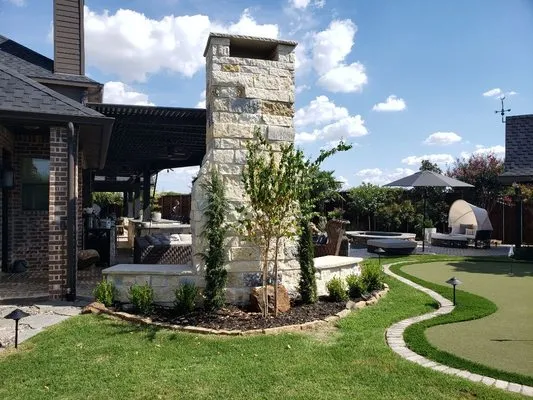
Outdoor Orchestrators is a veteran-owned and operated outdoor living company in Bixby, OK, founded by a U.S. Army veteran and family man who values transparency, accessibility, satisfaction, and peace...
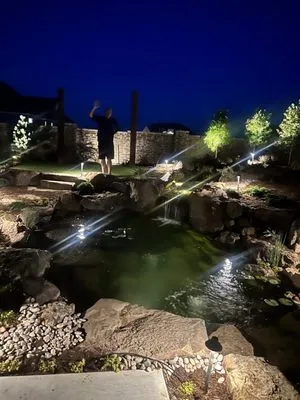
Backyard Depot
Since 2003, Backyard Depot has been dedicated to transforming outdoor spaces in Bixby and across northeast Oklahoma. What began as a small pond retailer has grown, under Keith Smith's leadership, into...
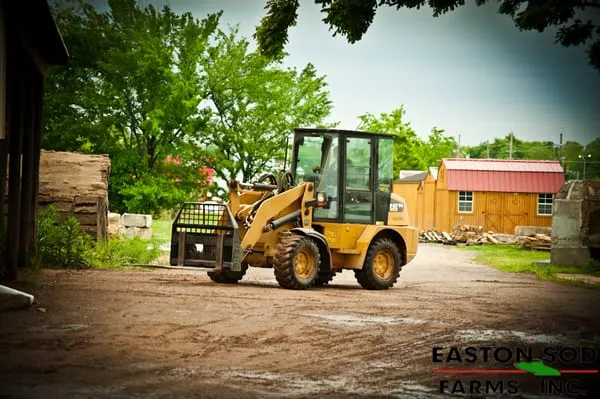
Easton Sod Farms is a family-owned and operated Bixby business with deep roots in Oklahoma soil, established in 1972. What began as a small-scale harvest from a cow pasture for the Tulsa International...

Since 1997, Partners Lawn Care Services has been a trusted, family-owned lawn care provider in Bixby, OK. Founded by owner-operator Greg Castillo, a Jenks High School and Oral Roberts University gradu...
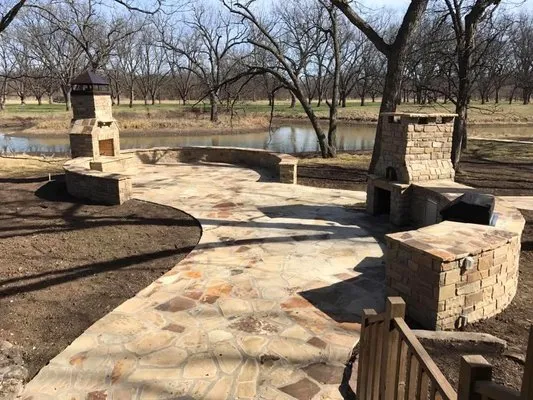
MESA Landscape
MESA Landscape has been a trusted, locally-owned landscaping partner for the Tulsa and Bixby area since 2010. We believe great outdoor spaces start with understanding exactly what our clients envision...

Tulsa Grass & Sod Farms in Bixby, OK, is a family-owned sod farm that has been serving the community since 1953. With over 1,000 acres dedicated to growing high-quality grass varieties like U3 Bermuda...
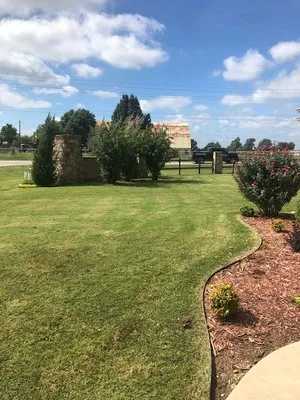
A&B Lawn Services in Bixby, OK, is a family-owned business that brings over 15 years of experience in customer care to your lawn and snow removal needs. Founded in 2017 by David Little, the company bu...

BCN Lawncare is a trusted local lawn and tree service provider serving Bixby, OK homeowners. We specialize in comprehensive lawn care and professional tree care services to address common landscaping ...

Power Lawn & Landscaping is your trusted local landscaping and snow removal expert serving Bixby, OK. We specialize in comprehensive snow removal services to keep your property safe and accessible dur...

Yard Sheriff in Bixby, OK, is your local landscaping expert dedicated to solving the common yard problems faced by area homeowners. We specialize in diagnosing and treating issues like dying shrubs an...
Q&A
How quickly can you respond to an emergency tree cleanup after a storm in Bixby?
Emergency storm response from Washington Irving Memorial Park via US-64 typically requires 20-30 minutes during peak conditions, accounting for traffic and debris clearance. Our electric maintenance fleet with required mufflers operates within Bixby's noise ordinance hours of 7:00 AM to 9:00 PM. We prioritize HOA compliance issues and safety hazards, coordinating with local utilities for downed power lines. Route optimization considers Bixby Knolls' street layout and access points to affected properties.
Why choose sandstone over wood for patios in Bixby's climate?
Permeable sandstone pavers offer 40+ year longevity versus wood's 10-15 year lifespan in Oklahoma's freeze-thaw cycles. Their natural thermal mass moderates temperature extremes, and permeability reduces runoff by 35% compared to concrete. For Firewise USA Moderate-rated areas, sandstone provides defensible space without combustible materials. Installation over compacted aggregate base ensures stability in expansive clay soils, with minimal maintenance beyond occasional sealing.
How can I maintain healthy turf while following Bixby's water conservation guidelines?
Wi-Fi ET-based weather sensing controllers adjust irrigation schedules according to real-time evapotranspiration data, reducing water use by 15-25% compared to traditional timers. During Stage 1 voluntary conservation, these systems preserve TifTuf Bermuda or Kentucky 31 Tall Fescue by delivering precise moisture when needed. Deep, infrequent watering encourages deeper root systems that better withstand drought stress. Municipal water limits are maintained through soil moisture sensors that prevent irrigation during rainfall events.
What solutions address seasonal saturation in Bixby's low-lying clay zones?
Seasonal saturation in acidic silty clay loam requires graded swales and French drains to redirect runoff from foundation areas. Permeable sandstone pavers meet Bixby Planning & Engineering Department standards by allowing 30-40% of rainfall to infiltrate rather than contributing to stormwater systems. Soil amendments like expanded shale improve permeability in planting beds. For severe cases, dry creek beds with river rock provide aesthetic drainage channels that handle moderate runoff events.
What permits and licenses are needed for grading my 0.25-acre Bixby property?
The Bixby Planning & Engineering Department requires grading permits for soil movement exceeding 50 cubic yards or altering drainage patterns. Oklahoma Construction Industries Board licensing is mandatory for contractors performing earthwork that affects structural foundations or utility lines. On 0.25-acre lots, even minor grading can impact neighboring properties' drainage, necessitating engineered plans for slopes over 15%. Professional licensing ensures compliance with sediment control regulations during rainy seasons.
What landscape changes reduce maintenance while supporting local ecology?
Replacing high-water turf with native plantings like Eastern Redbud, Purple Coneflower, and Little Bluestem creates habitat while cutting mowing frequency. These species require minimal irrigation once established and support pollinators under 2026 biodiversity standards. Electric maintenance equipment operates quietly within noise ordinance restrictions, eliminating gas-blower emissions. A layered planting approach with Switchgrass and Indian Blanket provides year-round interest with 75% less water demand than traditional lawns.
Why does my Bixby Knolls yard have such dense, compacted soil that struggles to absorb water?
Bixby Knolls properties built around 2000 have acidic silty clay loam soil with approximately 26 years of development-related compaction. This soil type naturally has low permeability, and decades of construction activity, foot traffic, and minimal organic amendment have reduced pore space. Core aeration with 3-4 inch depth penetration, followed by top-dressing with composted organic matter, will improve soil structure and water infiltration. The pH range of 6.2-6.8 is suitable for most turf and native species, but addressing compaction is critical for root development.
How do I manage invasive species without violating local fertilizer regulations?
Common invasive alerts in USDA Zone 7b include Johnsongrass and Chinese privet, which compete with native vegetation. Manual removal followed by targeted herbicide applications during active growth phases avoids phosphorus-free ordinance violations near riparian buffers. Soil testing determines specific nutrient needs, preventing over-application during blackout dates. Organic pre-emergents like corn gluten meal suppress weeds while improving soil health through microbial activity.
