Top Landscaping Services in Worthington, OH, 43085 | Compare & Call
There are 203 landscaping companies server in Worthington OH
Siemon's Lawncare & Landscaping is a trusted Columbus-based company specializing in comprehensive outdoor solutions for residential and commercial properties. With expertise in irrigation design, land...
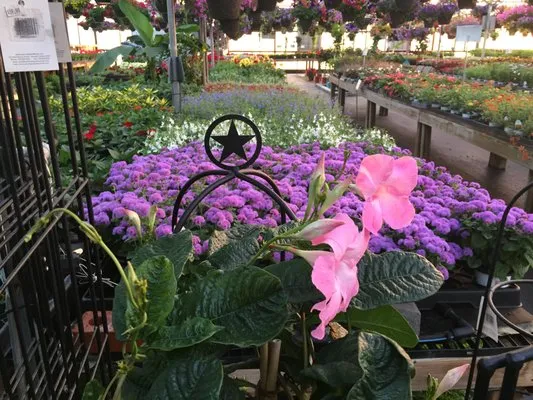
Mile Tree Lawn & Garden
Mile Tree Lawn & Garden is a family-owned Clarksburg institution, established in 1991. Rooted in deep horticultural expertise, the business grows a vibrant selection of annuals, perennials, and vegeta...
Worthwhile Mowing is a Columbus-based landscaping business built on family values and local expertise. Founder and owner [Name] is an Eastland Vocational School graduate in Landscaping/Lawn Care, who ...

Linnabary Landscaping is a Columbus-based landscaping company founded by Jody Linnabary, who brings deep local roots and expertise to every project. Jody's journey began in his pre-teen years, maintai...

For over two decades, Faber Landscaping and Greenery has been a trusted, family-owned partner for homeowners in Hilliard and the greater Columbus area. Rooted in local experience, we specialize in com...
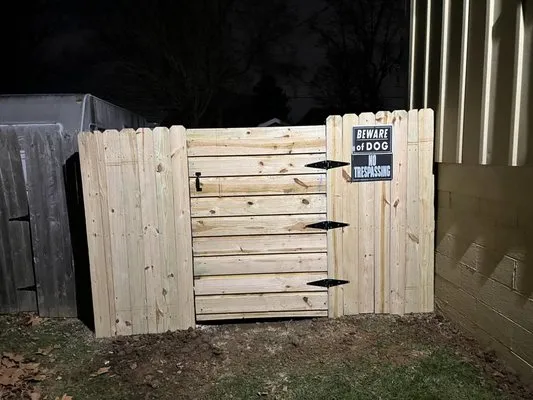
Martinezz Landscaping
Martinez Landscaping is a locally owned and operated business serving Columbus, Grove City, and the surrounding communities. With over 23 years of dedicated experience, we specialize in transforming o...
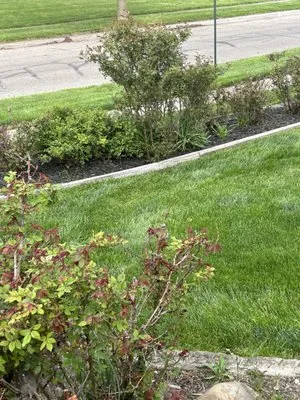
Landscapes By Chisholm is a Columbus-based lawn care provider dedicated to keeping local yards healthy and beautiful. We specialize in comprehensive lawn care services that directly address common Cen...
Eric's Landscaping is a trusted local provider serving homeowners across Columbus, Ohio. We understand the unique challenges Central Ohio lawns face, from persistent moss growth in shady areas to unev...
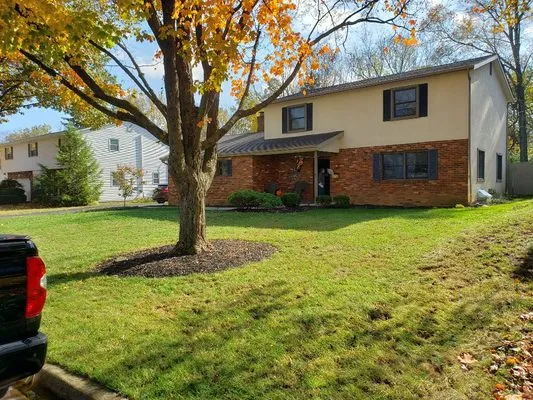
Miguel's Lawn Service has been a trusted provider of lawn and tree care for Columbus, OH, and surrounding communities since 2015. We specialize in a comprehensive range of services, from routine lawn ...
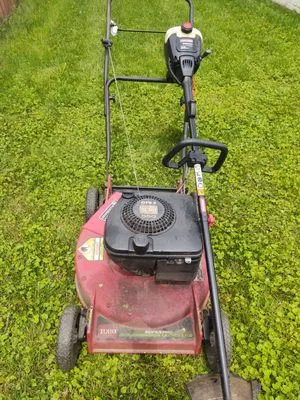
Tremont Mower in Columbus, OH, is a locally owned outdoor power equipment and lawn services business dedicated to providing honest, affordable solutions for homeowners. Frustrated by big-box companies...
Estimated Landscaping Service Costs in Worthington, OH
Questions and Answers
We're considering a new patio. Why are permeable clay pavers often recommended over wood or solid concrete?
Permeable clay pavers offer superior longevity and functionality in our climate. Unlike wood, they do not rot, warp, or require chemical treatments. Their permeability manages stormwater on-site, a key consideration for local runoff standards. While Worthington has a low Firewise rating, the non-combustible nature of clay also contributes to defensible space, an added benefit not provided by wooden decks.
Our lot in Old Worthington seems to have compacted, heavy soil. Is this typical for the area, and what's the best long-term fix?
Yes, this is characteristic of the Miamian-Celina Silt Loam common in neighborhoods with homes from the 1960s. With an average lot age of over 60 years, soil structure has degraded, leading to high clay content and reduced percolation. Core aeration every 1-2 years is essential to relieve compaction. Incorporating 1/4 inch of compost after aeration will gradually increase organic matter, improving drainage and root penetration for your turf blend.
How can we keep our Kentucky Bluegrass and Tall Fescue healthy during dry spells without violating water conservation rules?
Wi-Fi ET-based irrigation controllers are the standard for efficiency. These systems adjust watering schedules daily based on local evapotranspiration data, applying water only when the turf needs it. This method can reduce water use by 20-30% compared to traditional timers, keeping your lawn within municipal guidelines. Deep, infrequent watering cycles are programmed to encourage deeper root growth, enhancing drought tolerance.
We want to reduce weekly mowing and gas-powered maintenance. What are the best low-input alternatives for our yard?
Transitioning sections of high-maintenance turf to a native plant community is the most effective strategy. Species like Purple Coneflower, Little Bluestem, and Ohio Goldenrod are adapted to Zone 6a and require no fertilization, minimal watering once established, and only an annual cutback. This reduces the need for frequent mowing and aligns with the city's encouragement to phase out gas-powered blowers and trimmers due to noise and emissions.
What invasive species should we watch for, and how do we control them responsibly?
Key invasive alerts for this area include Garlic Mustard, Japanese Knotweed, and Callery Pear seedlings. Manual removal is effective for small infestations. For targeted herbicide use, always choose phosphorus-free formulas to comply with local ordinance, and apply during active growth periods for the invasive, not during blackout dates for turf fertilization. Proper disposal of plant material is crucial to prevent re-establishment.
We want to regrade our 0.25-acre property. What permits and professional credentials are required?
Significant grading that alters water flow or involves retaining walls over 4 feet typically requires a permit from the Worthington Planning & Building Department. For design and oversight, ensure your contractor is licensed by the Ohio Landscape Architects Board or holds appropriate Ohio landscaping licensure. This is crucial for projects impacting drainage patterns, as improper grading can create liability by directing water onto neighboring parcels.
If a major storm downs a tree limb, how quickly can a crew arrive for an emergency cleanup in Old Worthington?
Our peak storm response for this area is 20-30 minutes. A crew dispatched from our Sharon Woods Metro Park staging area can take I-270 directly into Old Worthington, bypassing surface street congestion. We prioritize safety hazards and blocked driveways to restore access and mitigate liability, coordinating with the city if debris is in the right-of-way.
We have persistent puddling in our yard after rain. What solutions work with Worthington's local regulations?
Seasonal saturation is a known issue with our high-clay soils. The primary solution is improving subsurface drainage with French drains or dry wells. For new hardscapes, the Worthington Planning & Building Department encourages permeable clay pavers, which allow stormwater to infiltrate and reduce runoff volume. These systems often qualify for stormwater credits and are more effective long-term than simply regrading the surface.
