Top Landscaping Services in Windham, OH, 44288 | Compare & Call
There are 192 landscaping companies server in Windham OH
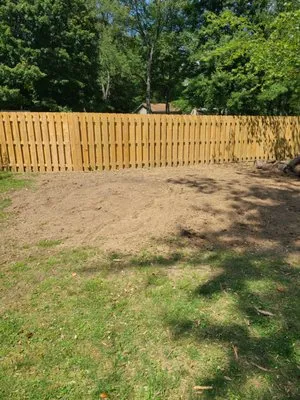
Al Fish Stump Grinding is your trusted, local Newton Falls landscaping expert, dedicated to enhancing the health and beauty of your outdoor space. We understand the common local issues of soil compact...

Landscape Management & Design
Landscape Management & Design Inc. is a Chesterland-based landscaping company with deep roots in the community. As a member of the Ohio Landscape Association and licensed by the Ohio Department of Agr...

Bring The Ruckus is a locally owned and operated lawn and tree service in Cortland, built from a genuine desire to help neighbors. Founded by two brothers who started by assisting elderly and disabled...

Supreme Tree Service is a trusted, family-operated provider serving Hubbard and surrounding Mahoning, Trumbull, and Columbiana Counties. With over 50 years of combined experience, our uniformed team s...
Devins Landscaping is a Richfield-based, full-service landscaping company dedicated to enhancing and protecting local properties. We understand the common challenges faced by homeowners in our area, s...
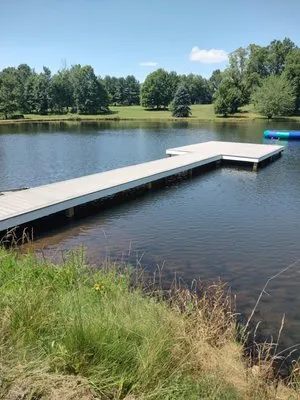
Premier Land Services is a locally owned and operated business in Wadsworth, OH, dedicated to enhancing properties with dependable lawn care and landscaping. We focus on delivering honest, high-qualit...
Righteous Lawn Care is a Barberton-based landscaping company built on principles of quality, integrity, and community. We believe in doing the job right the first time, a commitment backed by our cust...

2nd Chance Lawn & Landscape is a family-owned and operated business serving Ravenna, OH, and the surrounding communities. Founded in 2020, we are committed to providing excellent, affordable, and reli...
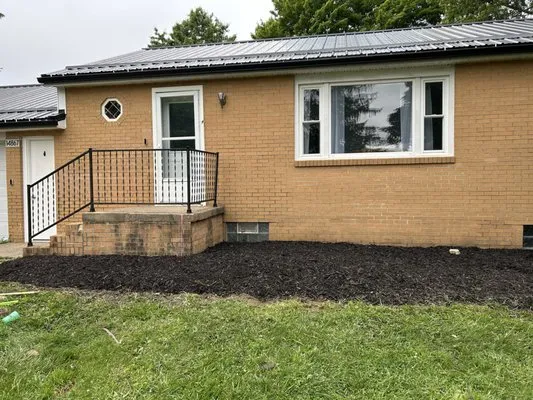
Founded two summers ago in Atwater, HJ's Landscaping & Pressure Washing began as a small venture and has since grown into a dedicated local team. We take pride in working hard to help you achieve the ...
For over 11 years, the team at Lawn Legends Lawn Care has worked together, bringing that shared experience directly to lawns and landscapes across Burghill. We're a locally owned business passionate a...
Estimated Landscaping Service Costs in Windham, OH
Question Answers
What permits and licenses are needed for grading my 0.35-acre Windham property?
Grading that alters water flow patterns requires Portage County Building Department review to ensure compliance with erosion control standards. On lots this size, significant earthmoving may trigger stormwater management permits. The Ohio Department of Agriculture Landscape Architect Board licenses professionals for design work affecting drainage. Unlicensed grading can cause downstream flooding issues and violate county ordinances, resulting in fines and required remediation.
Can I maintain Kentucky Bluegrass and Tall Fescue without violating water conservation standards?
Smart soil-moisture sensor controllers prevent overwatering by measuring actual soil conditions rather than operating on fixed schedules. These systems adjust irrigation based on evapotranspiration rates and precipitation events, typically reducing water use by 20-30%. While Windham has no formal restrictions, this technology maintains turf health within municipal water limits. Properly calibrated sensors preserve root depth and drought resistance in USDA Zone 6a conditions.
What invasive species threaten Windham landscapes and how should they be treated?
Japanese knotweed and garlic mustard present significant risks in Portage County, outcompeting native vegetation. Manual removal before seed set combined with targeted herbicide applications during active growth phases proves most effective. Treatments must avoid phosphorus-containing products near waterways per Ohio state guidance. Early detection through regular monitoring prevents establishment and reduces long-term management costs while protecting soil microbiology.
Are concrete pavers better than wood for Windham patios considering fire safety?
Concrete pavers and crushed limestone offer superior longevity with minimal maintenance compared to wood, which requires regular sealing and replacement. These materials maintain structural integrity for decades in USDA Zone 6a freeze-thaw cycles. For Windham's low fire-wise rating, non-combustible hardscapes create defensible space without contributing to fire spread. Proper installation with permeable bases also addresses drainage concerns while meeting aesthetic requirements.
Why does my Windham Center lawn have drainage issues despite regular care?
Windham Center properties built around 1972 have soil that has matured for approximately 54 years. Mahoning-Ellsworth Silt Loam with pH 6.1-6.5 naturally develops high clay content over decades, reducing permeability. This soil profile requires annual core aeration to alleviate compaction and organic amendments like compost to improve structure. Without these interventions, water infiltration decreases significantly, leading to surface runoff during heavy rains.
How quickly can you respond to an HOA compliance notice for overgrown vegetation?
Emergency cleanup crews dispatch from Windham Community Park via OH-82, arriving within 25-35 minutes during peak conditions. This route optimizes access to Windham Center while accounting for traffic patterns. Electric maintenance equipment operates within standard noise limits, allowing immediate morning deployment after 7:00 AM. The response includes debris removal and temporary stabilization to meet compliance deadlines.
What solutions exist for poor drainage in Windham's clay-heavy soil?
High clay content in Mahoning-Ellsworth Silt Loam requires subsurface drainage systems like French drains or dry wells. Permeable concrete pavers and crushed limestone hardscapes reduce runoff by allowing water infiltration through joints and base materials. These installations must meet Portage County Building Department standards for stormwater management. Combining drainage infrastructure with soil amendments addresses both surface and subsurface water movement issues.
How can I reduce maintenance while preparing for stricter noise ordinances?
Replacing high-maintenance turf with native plantings like Purple Coneflower, Butterfly Weed, Little Bluestem, and Serviceberry creates resilient landscapes. These species require minimal irrigation, no regular mowing, and support local pollinators. Transitioning to electric equipment now anticipates future gas-blower restrictions while reducing carbon emissions. Native plant communities establish deeper root systems that improve soil structure and water retention over time.
