Top Landscaping Services in Willoughby Hills, OH, 44092 | Compare & Call

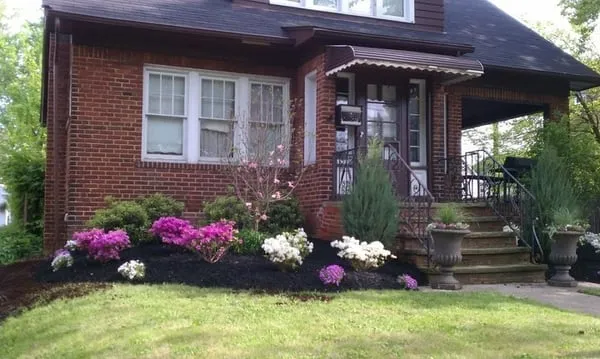
J Patty Landscape Solutions, LLC is a trusted, locally-owned landscaping and general contracting company serving Willoughby Hills, Ohio. We specialize in comprehensive landscape care and property impr...

Consistent Quality provides reliable lawn care services to residents of Willoughby Hills, OH, directly addressing common local challenges like patchy grass and storm debris. Specializing in comprehens...

D'Angelo Landscaping is a locally owned and operated business serving Willoughby Hills, Wickliffe, and Eastlake, Ohio. We specialize in comprehensive landscape care, including lawn maintenance, shrub ...
NCH LandScaping is a trusted, locally-owned landscaping company serving homeowners throughout Willoughby Hills, OH. We understand the unique challenges of maintaining a beautiful property in our area,...
Common Questions
What permits and licenses are needed to regrade and landscape our three-quarter-acre lot?
Regrading that alters water flow or involves significant earth movement typically requires a permit from the Willoughby Hills Building Department. For the installation of nursery stock, the contractor must hold a valid license from the Ohio Department of Agriculture. On a 0.75-acre property, improper grading can have major off-site impacts, making verification of this professional licensing essential for ensuring work meets code and avoids future liability.
Is it possible to maintain a green lawn here while following water conservation guidelines?
Yes, efficient irrigation is achievable through modern technology. Smart Wi-Fi ET-based controllers adjust watering schedules in real-time based on local evapotranspiration data, soil moisture, and weather forecasts. This system delivers precise hydration to Kentucky Bluegrass and Tall Fescue blends, minimizing water waste while adhering to voluntary conservation efforts. It effectively prevents both underwatering and the runoff common in clay soils.
Are concrete pavers or natural sandstone better for a new patio than wood?
Both concrete pavers and natural sandstone offer superior longevity and lower maintenance than wood, which decays and requires sealing. In Willoughby Hills' moderate Fire Wise rating zone, these non-combustible materials contribute to defensible space when used within 30 feet of a structure. Their durability and permeability also make them a sound investment for managing the local clay soil drainage challenges.
Our yard stays soggy for days after rain. What's the best long-term solution?
Persistent wetness indicates a high seasonal water table exacerbated by the low permeability of silty clay loam. A graded French drain system is often the primary solution to intercept and redirect subsurface water. For new patios or walkways, specifying permeable concrete pavers or setting natural sandstone with open joints can significantly reduce surface runoff, often helping a project meet Willoughby Hills Building Department standards for stormwater management.
We've spotted what looks like Japanese Knotweed. How should we handle it?
Japanese Knotweed is a highly invasive alert for this region. Manual removal is often ineffective due to its extensive rhizome system. A licensed professional can apply a targeted, systemic herbicide during the plant's active growth phase, ensuring minimal environmental impact. All treatments must strictly comply with Ohio's Phosphorus Application Restrictions (ORC 905.321), avoiding any fertilizer or chemical application during state-mandated blackout dates to protect watersheds.
How quickly can a crew respond for an emergency tree limb cleanup to meet HOA compliance?
For urgent HOA compliance or storm-related issues, a crew can typically be dispatched within 20-30 minutes during peak hours. The standard dispatch route originates from the Willoughby Hills Community Center, utilizing I-90 for efficient access throughout the city. This travel time accounts for typical traffic conditions to ensure a prompt response for securing the property.
We want a lower-maintenance, eco-friendly landscape. What are our options?
Transitioning to a native plant community is a strategic move. Species like Purple Coneflower, Wild Bergamot, Butterfly Milkweed, and Little Bluestem are adapted to USDA Zone 6a conditions, requiring minimal supplemental water and no chemical inputs once established. This approach reduces mowing frequency, eliminates gas-powered leaf blower use aligned with noise ordinances, and provides critical habitat, supporting 2026 biodiversity goals for the woodland-urban interface.
Our soil seems dense and water pools in the yard. Is this typical for homes built in the 1970s?
Soil on properties dating to the 1974 average build year has matured for over 50 years. In the Chardon Road Corridor, the native silty clay loam has likely experienced significant compaction from construction and decades of foot traffic, reducing its permeability. This compaction impedes drainage and oxygen flow to roots. Core aeration and the incorporation of composted organic matter are necessary interventions to rebuild soil structure and support healthy turf.
