Top Landscaping Services in Williamsburg, OH, 45103 | Compare & Call
There are 101 landscaping companies server in Williamsburg OH

Avella Lawn & Landscape is a Batavia-based, family-operated company dedicated to helping homeowners and businesses achieve and maintain beautiful, healthy outdoor spaces. Founded to bring professional...
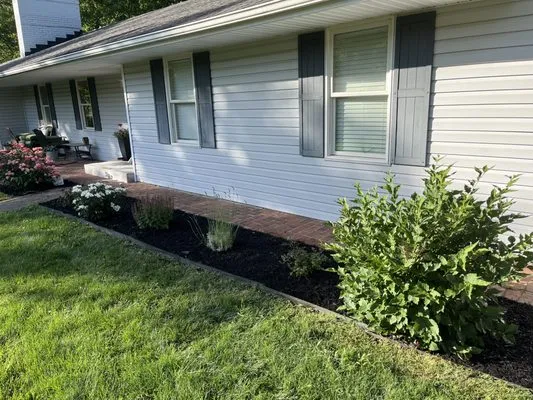
Duck’s & Bell’s is a family-owned lawn care business in Wilmington, OH, founded on a deep commitment to treating every lawn as if it were our own. Inspired by our family and a passion for small busine...
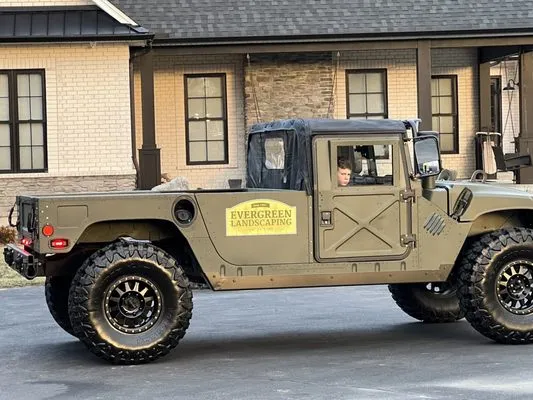
Evergreen Landscaping of Cincinnati
Evergreen Landscaping of Cincinnati has been a trusted name in Liberty Township and the surrounding Ohio communities since 1992. We specialize in creating complete, functional outdoor environments, fr...
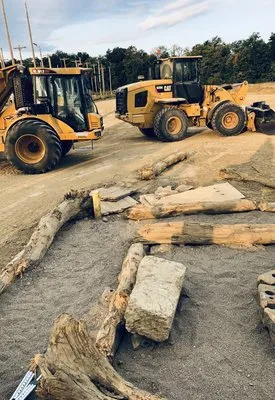
Robinson Site Development is your Lebanon-based partner for transforming land. We specialize in turning overgrown forests, uneven hills, or unused spaces into functional, beautiful areas for homes and...
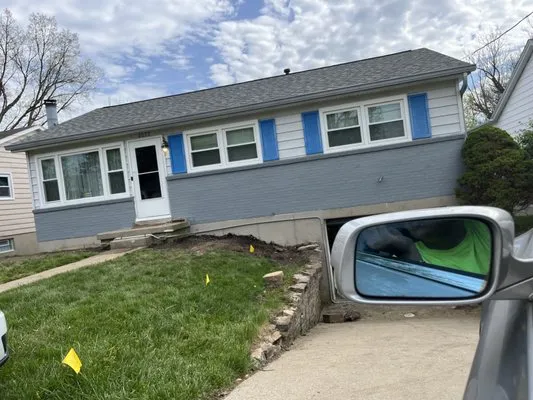
PHC Tree Services is a locally owned and operated company founded in Liberty Township with a simple mission: to help West Chester Township residents achieve their ideal outdoor spaces while ensuring s...
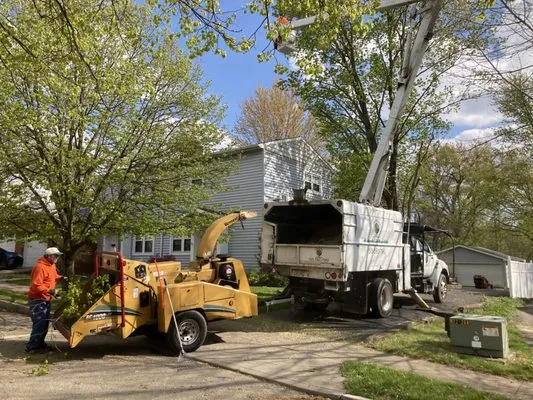
Traditions Turf and Tree
Traditions Turf and Tree is a trusted, locally-owned provider serving West Chester Township, OH, with comprehensive tree, crane, and lawn care solutions. We specialize in both residential and commerci...
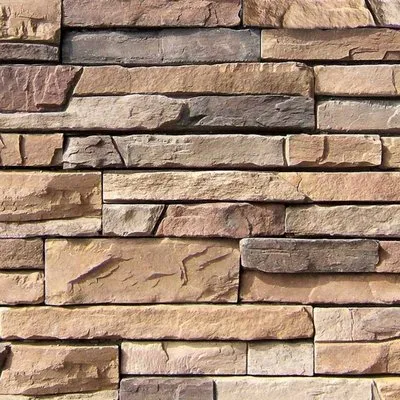
Mastercrete Concrete is a Batavia-based masonry and landscaping contractor bringing over a decade of combined commercial and residential expertise to every project. We approach each job as a craft, fr...
LA Services in Hamilton is a family-owned and operated company founded by a dedicated father and husband, driven by a commitment to provide a better life for his family and community. We built our bus...
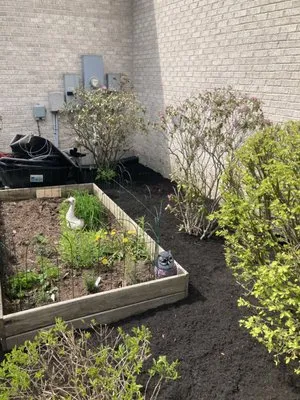
Mulch Man Landscaping, founded in Hamilton in 2024, brings a decade of hands-on experience to every project. We're a local team passionate about creating beautiful, lasting outdoor spaces, specializin...
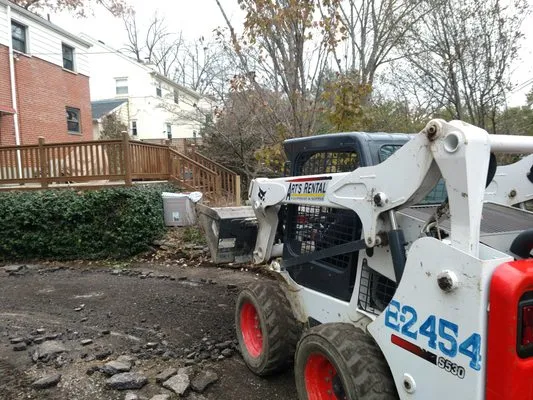
Speedy's Landscaping and Decorative Concrete is a third-generation family business rooted in Lindenwald, bringing decades of combined masonry and construction expertise to every project. We provide co...
Estimated Landscaping Service Costs in Williamsburg, OH
Frequently Asked Questions
What permits and licenses are needed for regrading my quarter-acre lot?
Significant grading on a 0.25-acre Williamsburg property requires Clermont County Building Department approval for erosion control and drainage plans. Ohio Landscape Architects Board licensing is mandatory for designs involving retaining walls over 4 feet or complex stormwater management. Unlicensed grading can violate county runoff regulations and create liability issues, particularly with the fragipan drainage challenges common here. Professional oversight ensures compliance with both structural and environmental requirements.
How quickly can you respond to an emergency tree cleanup after a storm?
Our electric maintenance fleet can dispatch from East Fork State Park via State Route 32 within 25-35 minutes during peak response times. This routing avoids residential congestion while complying with Williamsburg's daytime noise restrictions (7:00 AM - 9:00 PM). We prioritize HOA compliance issues with same-day assessment, using battery-powered equipment that operates quietly within ordinance hours while maintaining rapid response capability.
Are concrete pavers better than wood for patio construction in our area?
Concrete pavers offer superior longevity (40+ years versus wood's 10-15) in Williamsburg's freeze-thaw cycles. Their non-combustible nature supports the community's Moderate Fire Wise rating by creating defensible space around structures. Unlike wood, pavers don't require chemical treatments that can leach into soil, and their modular installation allows for better drainage through the fragipan layer. The initial investment yields lower lifetime maintenance while meeting all Clermont County building standards.
How do I keep my Kentucky Bluegrass and Tall Fescue blend healthy without wasting water?
Smart Wi-Fi soil moisture sensing controllers optimize irrigation by measuring actual soil conditions rather than following fixed schedules. These systems apply water only when the root zone reaches specific dryness thresholds, typically reducing usage by 30-50% compared to traditional timers. While Williamsburg has no formal water restrictions, this technology maintains turf health through precise ET-based scheduling that prevents both drought stress and fungal issues from overwatering.
What's the best solution for my yard's persistent standing water issues?
Clermont Silt Loam's fragipan layer creates poor internal drainage that requires engineered solutions. Installing French drains with clean gravel and perforated pipe at 18-24 inch depths bypasses this impermeable layer. For hardscape areas, concrete pavers with polymeric sand joints or crushed limestone bases provide permeability that meets Clermont County Building Department runoff standards. These systems manage stormwater while preventing the soil saturation that damages turf and plant roots.
Why does my Williamsburg yard have such compacted soil that won't drain properly?
Williamsburg Village Center properties built around 1962 have 64-year-old soil systems on Clermont Silt Loam. This acidic soil (pH 5.5-6.5) develops a dense fragipan layer that restricts root penetration and water movement. Core aeration every 2-3 years is essential to break up this compaction. Adding 1-2 inches of compost annually improves soil structure and microbial activity, addressing the poor internal drainage common in these established neighborhoods.
What invasive species should I watch for and how do I control them safely?
Japanese knotweed and garlic mustard present significant threats in Williamsburg's Zone 6b climate. Manual removal before seed set is most effective, followed by targeted glyphosate applications to cut stems in late summer. These treatments avoid Ohio's nitrogen and phosphorus runoff management blackout dates (typically April-July). For persistent infestations, solarization with clear plastic during peak heat periods provides chemical-free control that doesn't violate local fertilizer ordinances.
Should I replace some lawn areas with native plants to reduce maintenance?
Transitioning high-maintenance turf to Purple Coneflower, Wild Bergamot, Butterfly Milkweed, and Little Bluestem reduces mowing frequency and irrigation demands by 70-80%. These natives establish deep root systems that improve soil structure and require no chemical inputs. This approach aligns with emerging electric equipment standards, as reduced turf areas minimize gas-blower use ahead of potential noise ordinance tightening. The biodiversity increase supports pollinators while creating a more resilient landscape.
