Top Landscaping Services in Walton Hills, OH, 44146 | Compare & Call
There are 194 landscaping companies server in Walton Hills OH
Armstrong Landscaping is a dedicated local business serving Bedford, Ohio, and the surrounding communities. We specialize in providing effective, expert solutions for common landscaping challenges fac...
Lockett's Landscaping is a trusted, locally-owned landscaping company serving Maple Heights, Ohio. We understand the unique challenges homeowners here face, especially patchy lawn grass and frustratin...
CST Landscaping is a trusted local landscaping company serving Maple Heights, OH, and surrounding communities. We specialize in addressing common landscaping challenges faced by homeowners in our area...
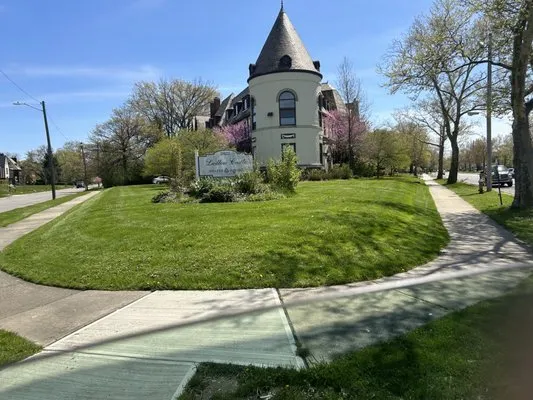
KLC Landscape And Gardening has been serving Maple Heights, OH since 2010, dedicated to transforming outdoor spaces with reliable, hands-on landscaping services. Our team works diligently from sunrise...
Loyalty Landscaping & Snow is your trusted local partner for a beautiful and functional yard in Maple Heights. We understand the specific challenges homeowners here face, like storm debris cleanup aft...
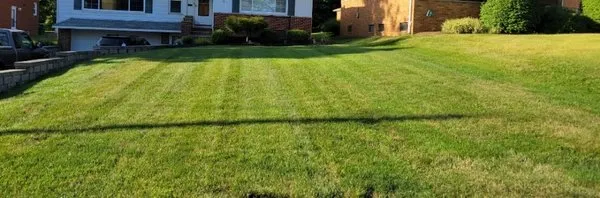
Pathway Lawncare is your local Bedford, OH expert dedicated to cultivating healthy, resilient lawns. We understand the specific challenges homeowners in our area face, including soil compaction and pe...

Founded in 2017, Brighter Days Ahead has been dedicated to enhancing the outdoor spaces of Cleveland and its surrounding communities. We provide a comprehensive range of landscaping services designed ...
The Lawnrangers Landscaping & Home Repairs is a trusted Bedford, OH-based company specializing in landscaping and general contracting services. We understand that local homeowners frequently face land...
J. Barker Landscaping Company
For five decades, J. Barker Landscaping Company has been a trusted partner in shaping Bedford's outdoor spaces. Founded in 1974, this family-owned and operated business brings a half-century of local ...
D Peterman Landscaping & Snowplowing is a fully licensed, insured, and bonded landscaping company serving Bedford, OH, and surrounding areas. With a comprehensive range of services including landscape...
Estimated Landscaping Service Costs in Walton Hills, OH
Q&A
Are concrete pavers a better choice than wood for a new patio?
For longevity and low maintenance in Zone 6a, concrete pavers are superior to wood. They resist frost heave, do not rot, and require no sealing. When set with proper permeable base materials, they aid site drainage. For context, while Walton Hills has a low Fire Wise rating, using non-combustible materials like pavers or crushed limestone for patios and paths still contributes to a defensible space perimeter, which is a forward-looking best practice.
My yard holds water in the spring. What's a permanent fix for poor drainage?
Moderate seasonal saturation is a direct result of the heavy clay content in our Silty Clay Loam soil. A long-term solution involves integrating permeable hardscapes, such as gaps between concrete pavers filled with gravel or using open-graded crushed limestone for paths. These materials increase ground infiltration and can be designed to meet Walton Hills Building Department standards for stormwater runoff management, effectively redirecting water away from foundations.
What's your emergency response time for a downed tree or major storm damage?
For an emergency cleanup requiring immediate HOA compliance, our dispatch from the Walton Hills Village Hall utilizes I-480 / I-271 for direct access. This routing typically ensures a crew arrival within the 20-30 minute peak response window. We coordinate this with electric maintenance vehicles to comply with the local 8:00 AM to 8:00 PM noise ordinance for any necessary follow-up work with powered equipment.
What permits and contractor credentials are needed for regrading my yard?
Regrading a 0.75-acre lot often requires a permit from the Walton Hills Building Department to ensure proper drainage and adherence to setback rules. More critically, the contractor must hold appropriate licensing through the Ohio Department of Agriculture for landscape architecture or nursery work if the project involves significant earth moving or installing living materials. This licensing validates their knowledge of soil science and plant ecology, which is essential for a successful, stable outcome.
How can I keep my lawn green without wasting water or violating city rules?
While Walton Hills has no mandatory water restrictions, voluntary conservation is critical. A Wi-Fi ET-based irrigation system is the solution. It automatically adjusts watering schedules based on real-time evapotranspiration data from local weather stations. This technology delivers precisely the water your Tall Fescue blend needs, preventing overwatering that exacerbates our soil's seasonal saturation and keeps you well within any future municipal water use guidelines.
Why does my soil seem so compacted and heavy, and what can I do about it?
Your home, like most in Walton Hills Estates built around 1964, sits on soil that has matured for over 60 years. The native Slightly Acidic Silty Clay Loam is naturally dense, and decades of standard maintenance have compacted it further, reducing permeability. Core aeration is essential to relieve this compaction. Following aeration, incorporate 1-2 inches of compost to improve soil structure and biological activity, which will enhance water infiltration and root growth for your Kentucky Bluegrass.
I'm tired of weekly mowing. Are there lower-maintenance, eco-friendly alternatives?
Absolutely. Transitioning areas of high-maintenance turf to a planting of Ohio natives like Purple Coneflower, Wild Bergamot, and Little Bluestem significantly reduces water, fertilizer, and mowing needs. This established xeriscape also provides critical habitat. As the 2026 shift toward electric equipment progresses, reducing mowing area proactively addresses future noise ordinance pressures related to gas-powered blowers and mowers.
What invasive species should I watch for, and how do I remove them safely?
In our area, be vigilant for Garlic Mustard and Japanese Knotweed. Manual removal is effective for early infestations. For chemical control, always use a phosphorus-free herbicide as mandated by local ordinance, unless a soil test explicitly confirms a phosphorus deficiency. Apply treatments during the plant's active growth phase, carefully following label instructions to protect surrounding natives like Butterfly Milkweed and avoid runoff into the watershed.
