Top Landscaping Services in Wakeman, OH, 44889 | Compare & Call


Frey Home Solutions is a Wakeman-based, locally owned and operated business with over 18 years of experience serving the community. We started in the landscaping industry and have since expanded our e...
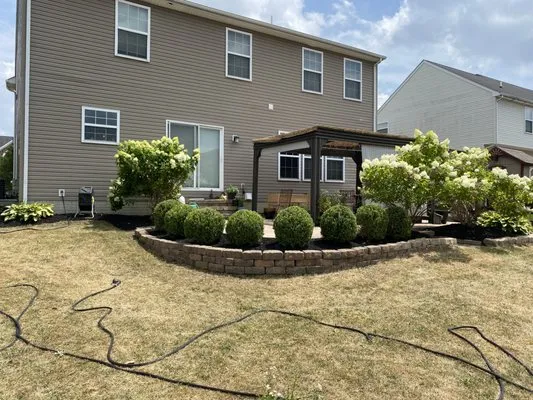
Magic Touch Lawn & Landscape was founded in Wakeman in 2022 by two ambitious locals dedicated to providing reliable, professional lawn care. We focus on delivering thorough, on-time service that resid...

Riggs Cleaning and Landscaping Services is a trusted, locally-owned provider in Wakeman, OH, offering comprehensive solutions for both landscaping and home cleaning needs. We specialize in addressing ...

Andy's Outside Services is a trusted, locally-owned provider in Wakeman, OH, specializing in gutter services, lawn care, and pressure washing. We understand that Wakeman homeowners often face landscap...
Common Questions
Our yard turns into a soggy mess every spring. What's the best long-term fix?
Seasonal saturation is a direct result of poor infiltration in Wakeman's Silty Clay Loam soil coupled with a high water table. The solution integrates subsurface drainage, like French drains, with surface grading to direct water away from foundations. Replacing impervious surfaces with permeable Concrete Pavers or crushed limestone paths also reduces runoff volume. These modifications often require a drainage plan review by the Huron County Building Department to ensure they meet current stormwater management standards.
We're adding a patio. Is wood or paver material better for longevity and safety here?
For longevity and low maintenance in Zone 6a, Concrete Pavers and crushed limestone vastly outperform wood, which is susceptible to rot and insect damage. Pavers provide a stable, non-combustible surface that contributes to a defensible space, aligning with Wakeman's Low Fire Wise rating for standard residential compliance. Properly installed with a permeable base, they also mitigate local drainage issues and will not heave with freeze-thaw cycles like poured concrete can.
How can we keep our Kentucky Bluegrass and Tall Fescue lawn healthy without wasting water?
In the absence of mandatory restrictions, voluntary conservation using Smart Wi-Fi Soil Moisture Sensor Controllers is the professional standard. These systems apply water only when the root zone moisture drops below a set threshold, aligning irrigation with actual evapotranspiration (ET) rates. This prevents overwatering the Silty Clay Loam, which holds moisture longer, and eliminates runoff. This method maintains turf health while reducing municipal water use by 30-50% compared to traditional timer-based systems.
We need an emergency tree cleanup after a storm to meet HOA deadlines. How quickly can a crew arrive?
For urgent HOA compliance work, a crew dispatched from our staging near the Wakeman Elevator can typically reach Wakeman Village Center via State Route 20 within 45 to 60 minutes during peak response windows. We prioritize these calls with on-call arborists and a dedicated hauling truck. This allows for immediate debris removal and a site safety assessment to prevent violations, with follow-up detailed restoration scheduled for the next business day.
We're tired of weekly mowing. Are there lower-maintenance, eco-friendly options?
Transitioning high-input turf areas to a native plant community using species like Purple Coneflower, Butterfly Milkweed, Little Bluestem, and Wild Bergamot significantly reduces maintenance. These deep-rooted perennials require no irrigation once established, support local pollinators, and eliminate weekly mowing and associated fuel use. This proactive xeriscaping also future-proofs your property against potential tightening of noise ordinances targeting gas-powered equipment.
We want to regrade our 0.35-acre lot for better drainage. Do we need permits or a special contractor?
Yes. Significant grading that alters water flow or involves more than minimal cut and fill typically requires a permit from the Huron County Building Department. Furthermore, any contractor performing earthwork or installing drainage systems must hold appropriate licensing through the Ohio Department of Agriculture, which regulates landscaping and nursery operations. For a lot of this size, improper grading can create off-site runoff liabilities, making professional, licensed design and execution essential.
Our soil seems so heavy and compacted. Is this normal for Wakeman Village Center homes?
Properties built around 1968, like many in Wakeman Village Center, have 58-year-old landscaping soil that is typically depleted. Original construction practices and decades of foot traffic have compacted the native Silty Clay Loam, reducing permeability and oxygen for roots. Core aeration and incorporating 2-3 inches of composted organic matter are critical to rebuild structure and biological activity. Without this, water infiltration remains poor, exacerbating the area's seasonal high water table.
We see a fast-spreading vine taking over a garden bed. How should we handle it safely?
Rapidly spreading vines are often invasive species like Oriental Bittersweet or Honeysuckle. Manual removal, including complete root extraction, is the first line of defense. For persistent regrowth, targeted, foliar-applied glyphosate in late summer is effective, but application must comply with Ohio's Phosphorus Application Regulations, avoiding any runoff toward waterways. Always identify the species first, as treatment timing and method are critical for efficacy and environmental safety.
